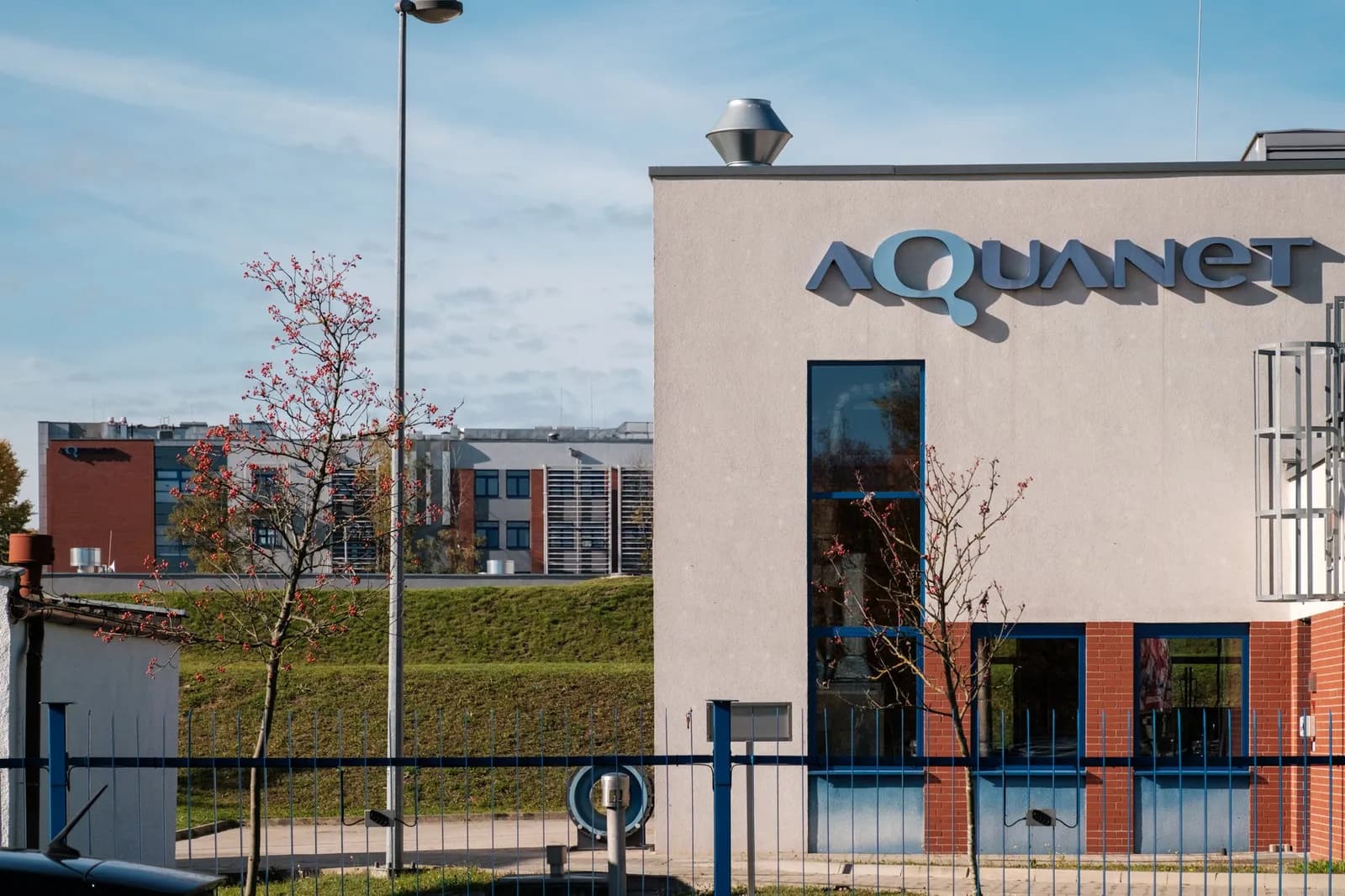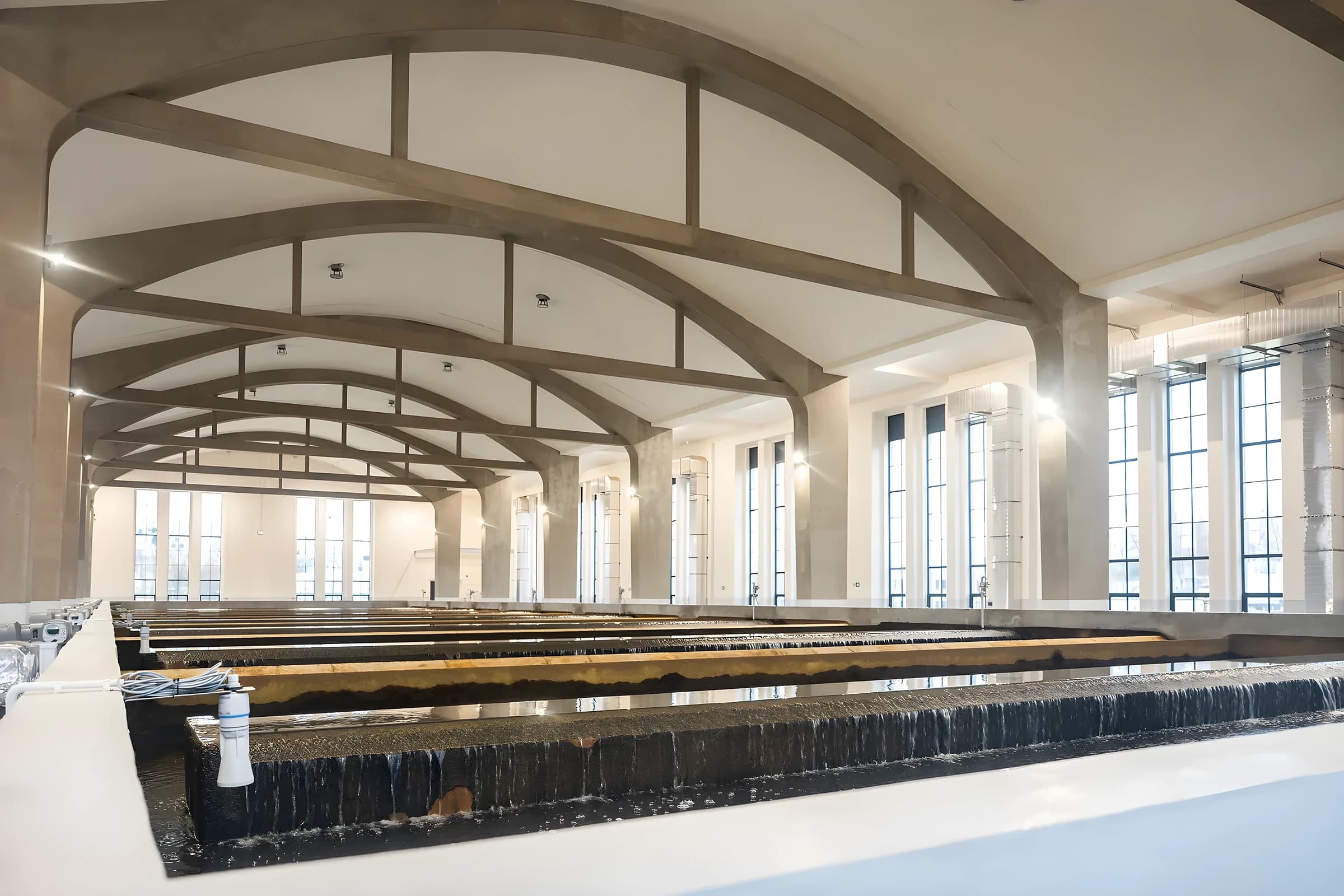
One of Poznań’s most significant water infrastructure projects in recent years is nearing completion, with Aquanet undertaking a major modernisation of its Wiśniowa water treatment plant. The investment combines updated water treatment technology with the restoration of historic industrial buildings, strengthening the city's water supply system and improving the quality of drinking water delivered to residents.
Located on Wiśniowa Street, the plant supplies a substantial proportion of Poznań and the surrounding area. The improvements are intended to provide more consistent water quality while making production less vulnerable to drought and extreme weather conditions.
The project represents an investment of more than PLN 150 million, making it the largest reconstruction of the facility since its original construction.
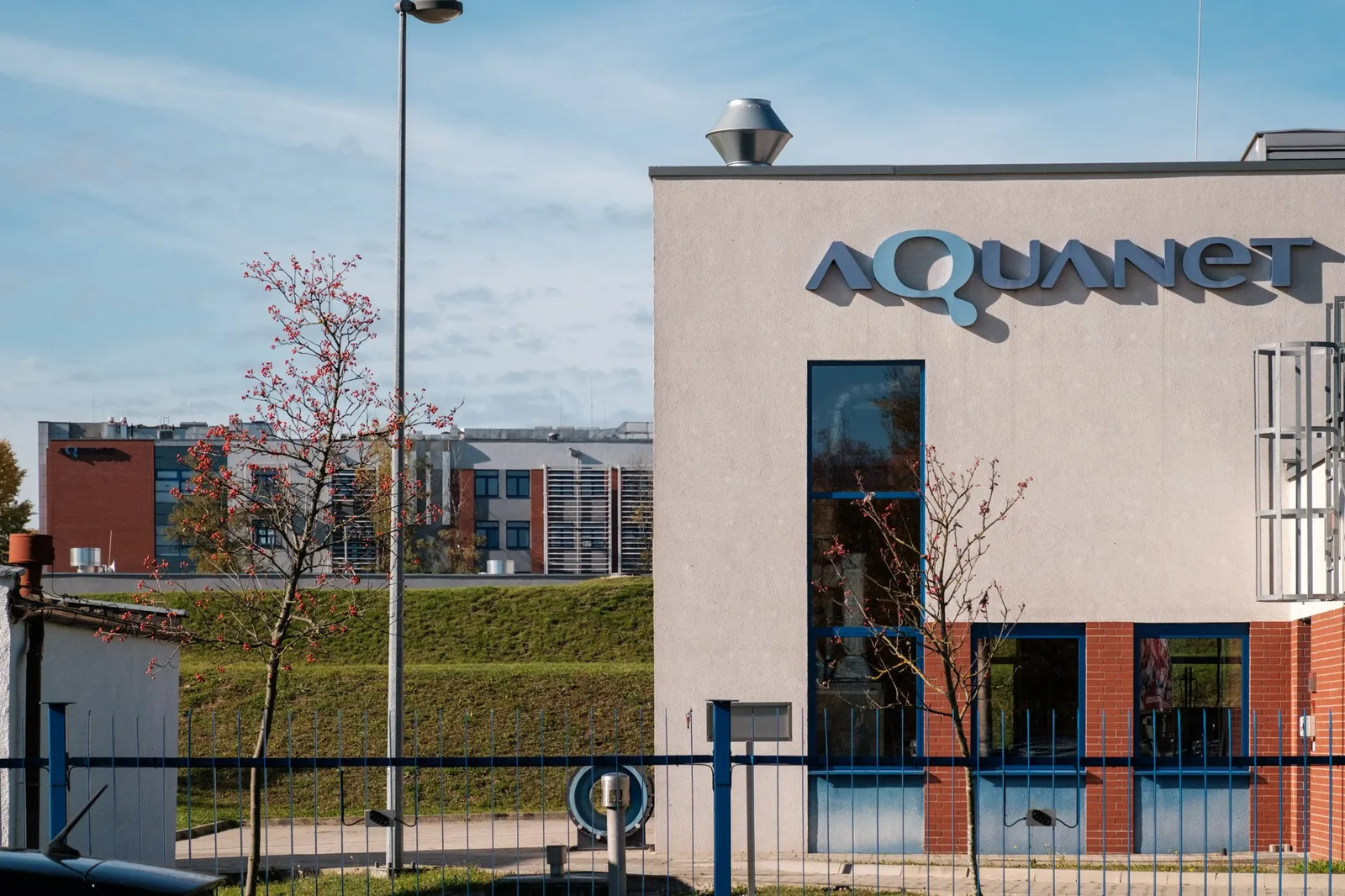
New technology and safer disinfection
The latest phase of the modernisation has introduced carbon filters and a new sodium hypochlorite production facility. Carbon filtration helps improve the quality of treated water, including characteristics such as taste, smell and colour.
The new disinfection system also changes how Aquanet manages chlorine. Rather than relying on the transport and storage of chlorine gas, the plant can now produce sodium hypochlorite on site using ordinary salt. The substance is then used in controlled quantities to disinfect the water.
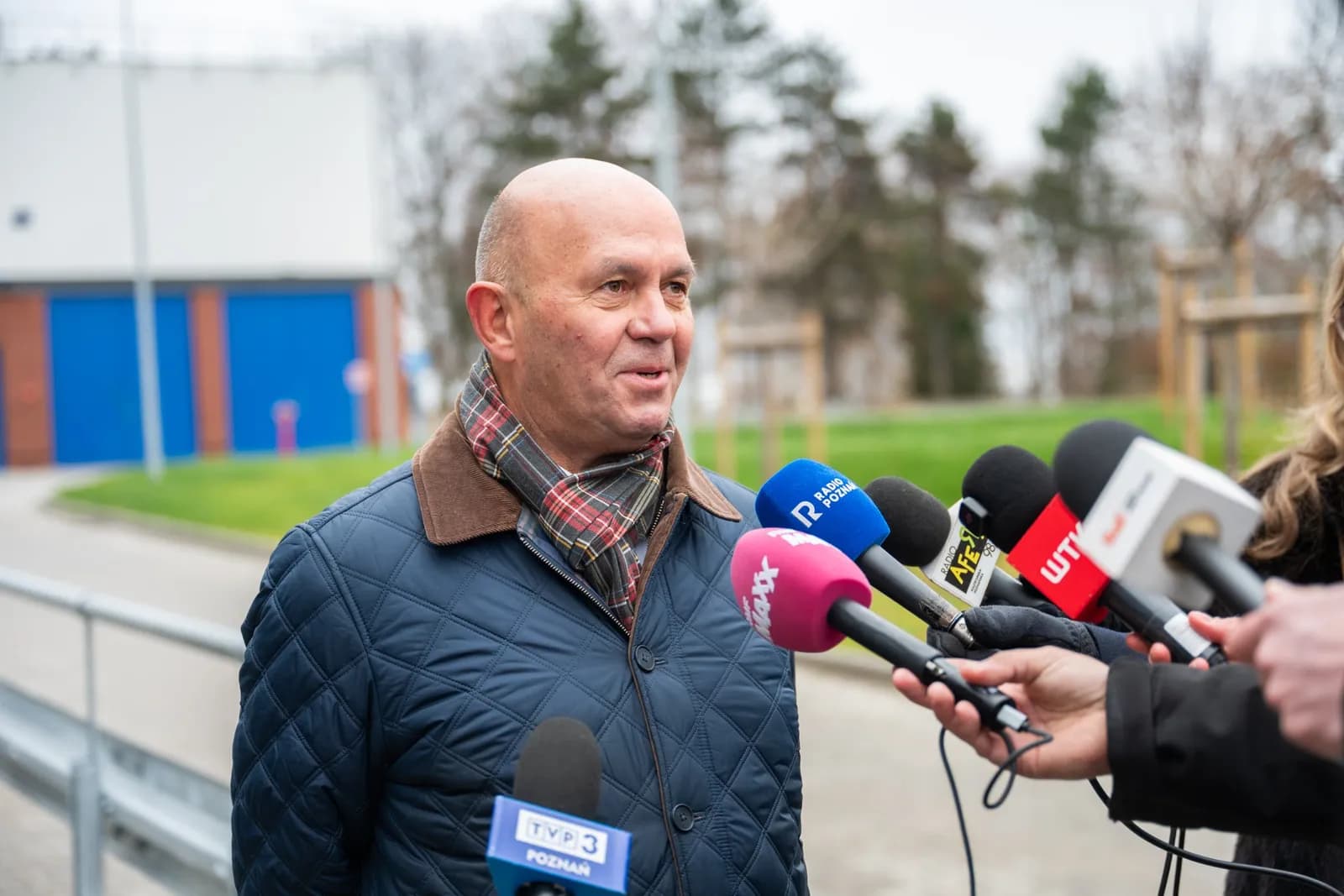
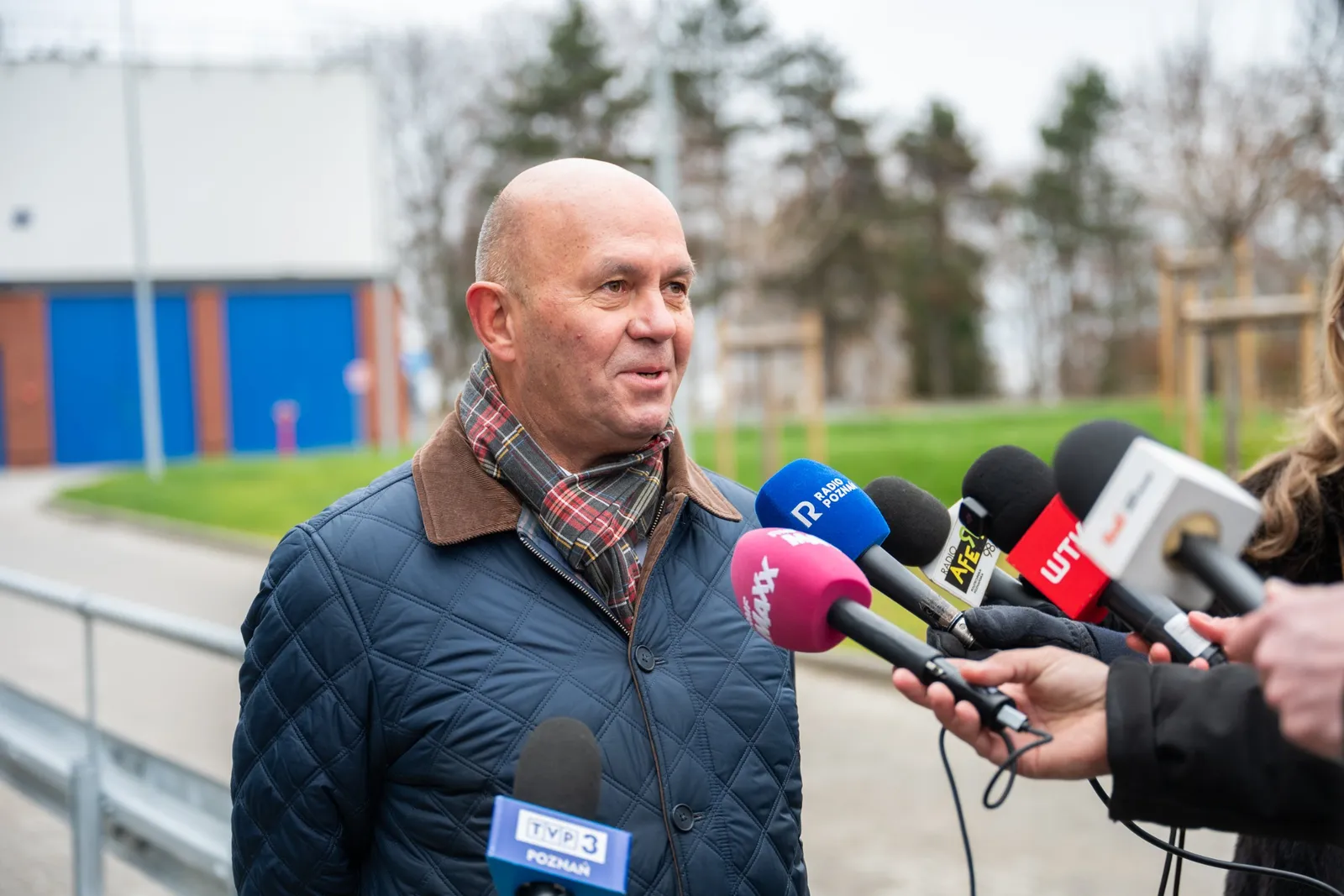
Aquanet president Paweł Chudziński says the company is gradually moving away from the use of chlorine gas across its treatment facilities.
"Chlorine, which until now has been used in minimal concentrations that are neutral to the human body, is slowly becoming a thing of the past. We no longer use it at our two largest water treatment plants, and at the third it is present only in trace amounts," he explained.
Chudziński also highlighted the challenge of carrying out the work without interrupting water production or supplies to residents. At the same time, Aquanet was undertaking a major modernisation of the nearby Dębina water intake.
A historic site enters a new chapter
The Wiśniowa facility has a history stretching back to 1924, when construction began on a modern waterworks designed to meet the needs of a rapidly expanding Poznań.
The project took almost two decades. Although much of the facility had been completed before the outbreak of the Second World War, it officially began operating in 1943, during the German occupation.
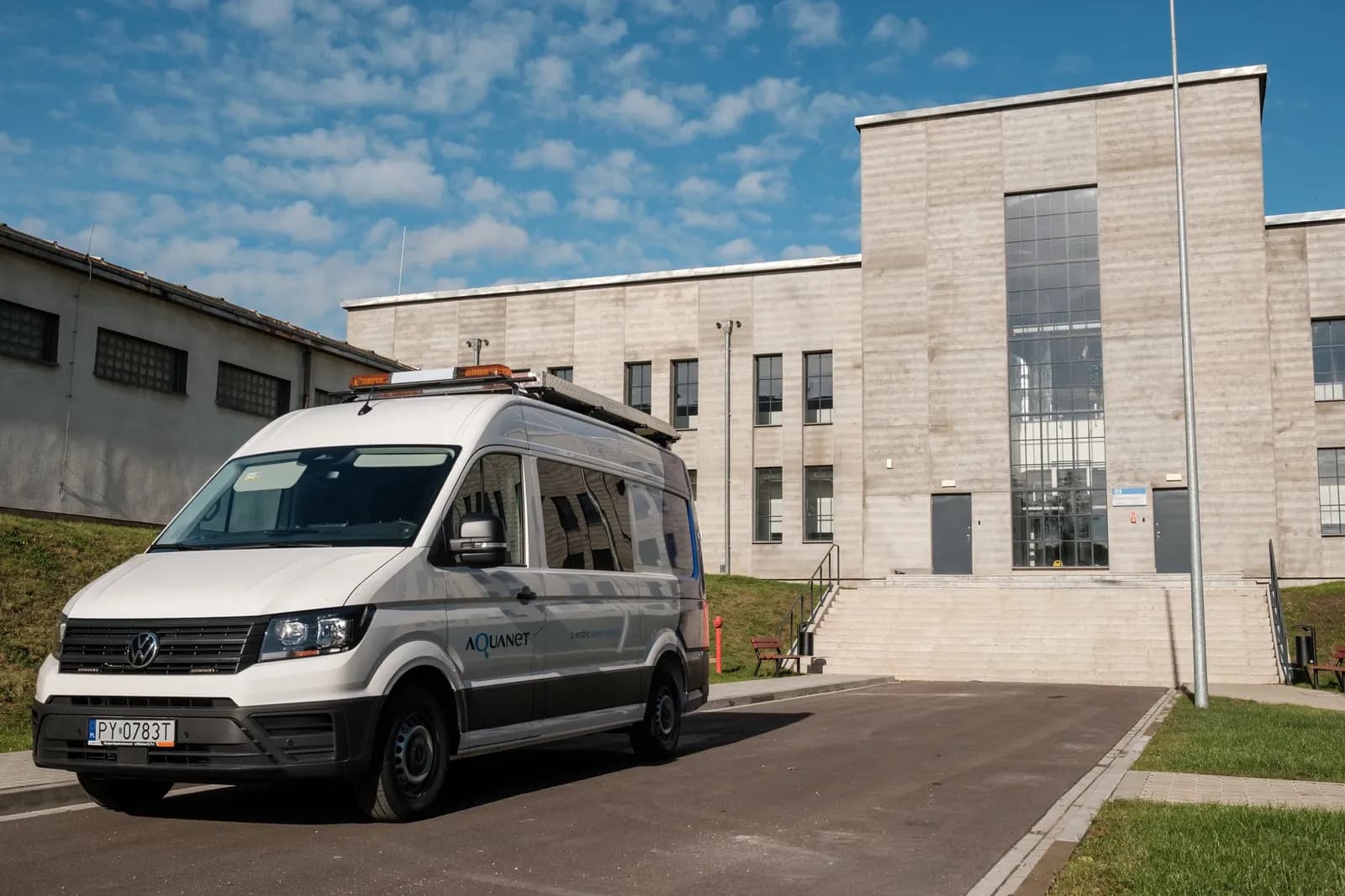
The recent investment has given particular attention to preserving this industrial heritage. Historic buildings, including the iron removal facility and the rapid filtration hall, were renovated during the first phase of the project. Their architectural character has been retained while the interiors and infrastructure have been adapted to meet contemporary operational requirements.
The result brings together an important part of Poznań's industrial history and the technology needed to support its future water supply.
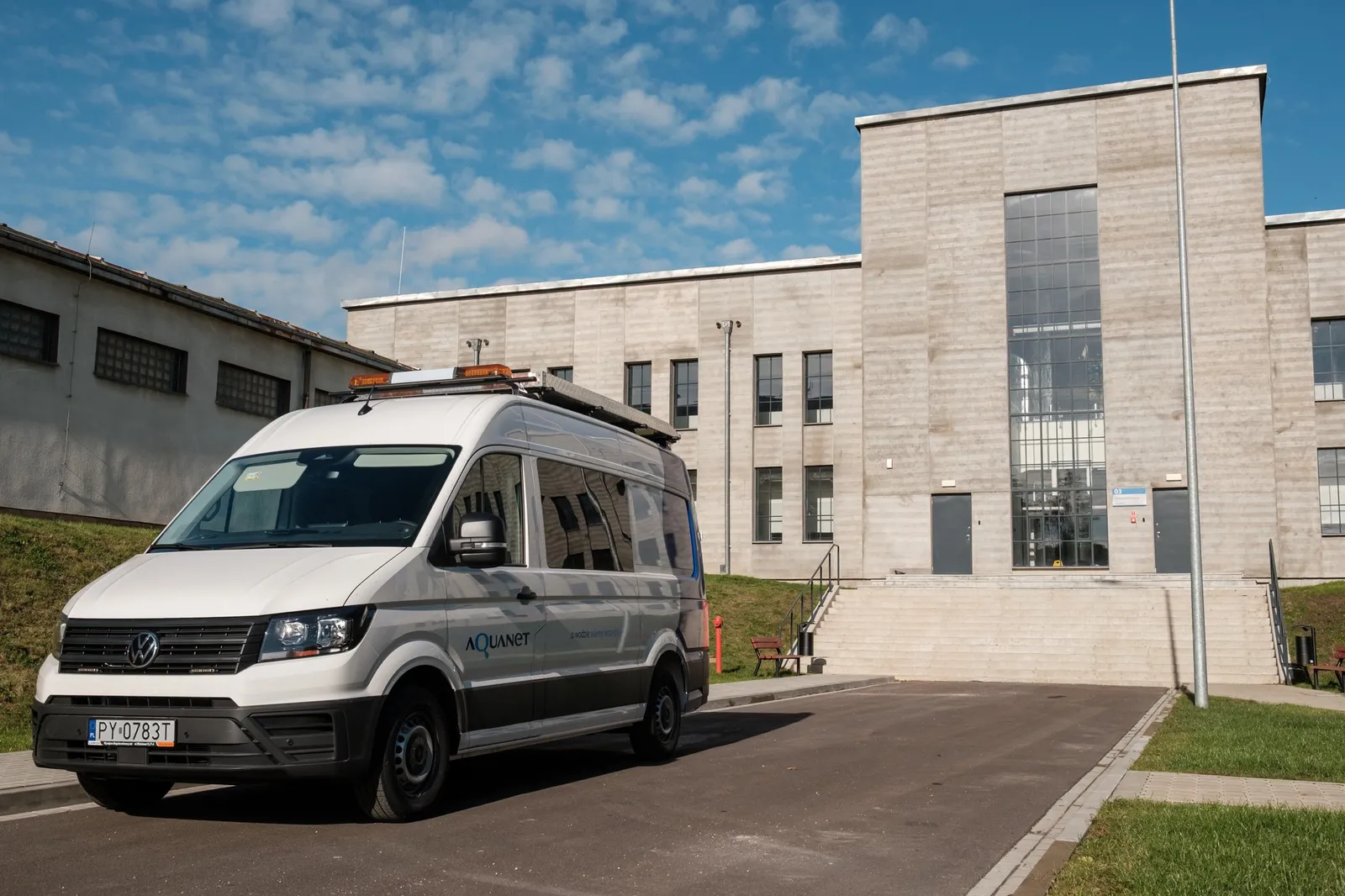
Part of a wider water infrastructure network
Wiśniowa is one of three key water treatment facilities serving the Poznań metropolitan area, alongside the plants in Mosina and Gruszczyn. Together, they form an integrated system that allows Aquanet to manage water production and distribution more effectively.
The modernisation also forms part of a much wider programme of investment in the city's water infrastructure.
Between 2015 and 2025, Aquanet completed projects worth a combined PLN 2.3 billion, with substantial support from European Union funding.
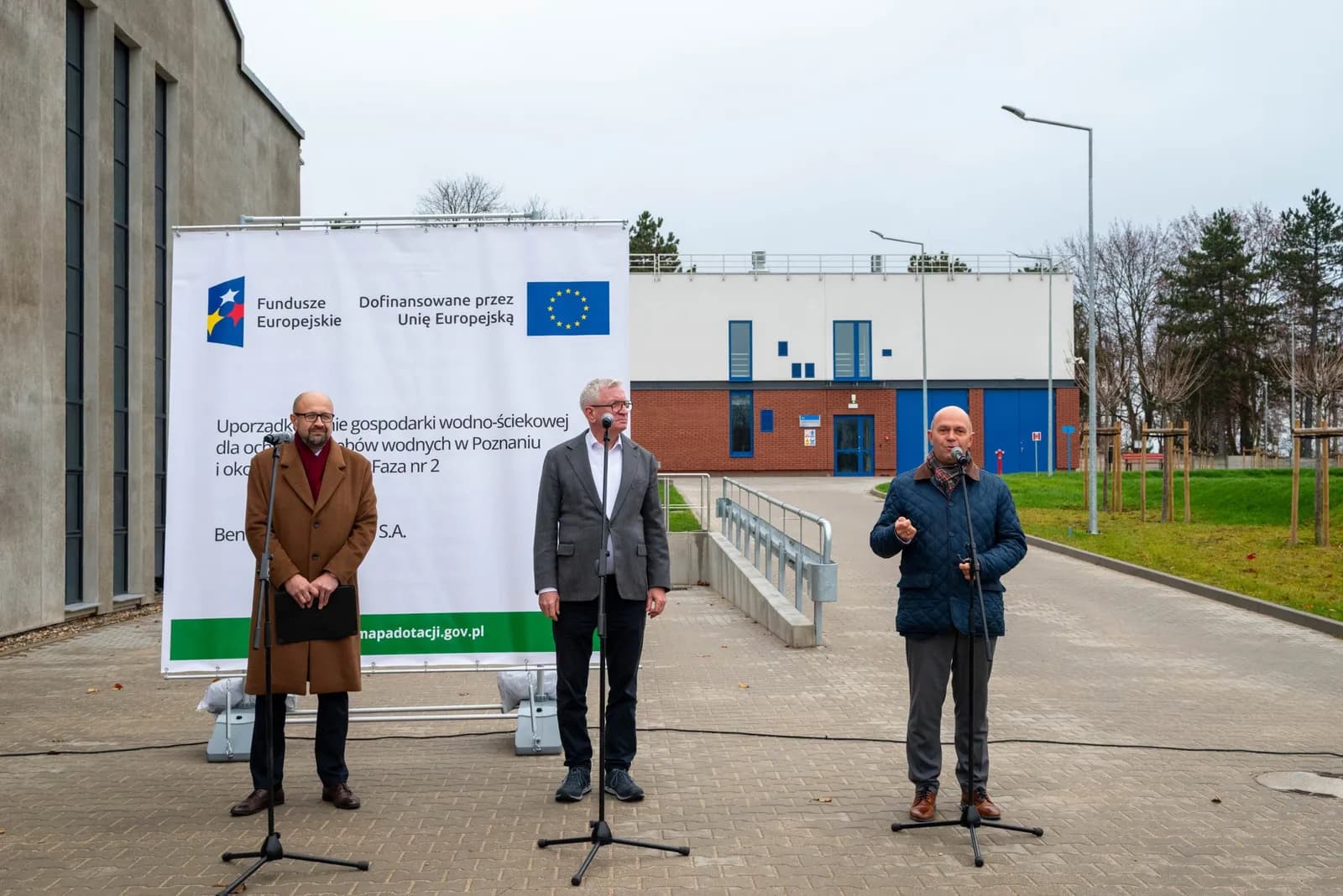
Poznań Mayor Jacek Jaśkowiak highlighted the importance of these investments, noting that water and sewage infrastructure projects are often less visible to residents than public buildings and other urban developments, despite their strategic importance.
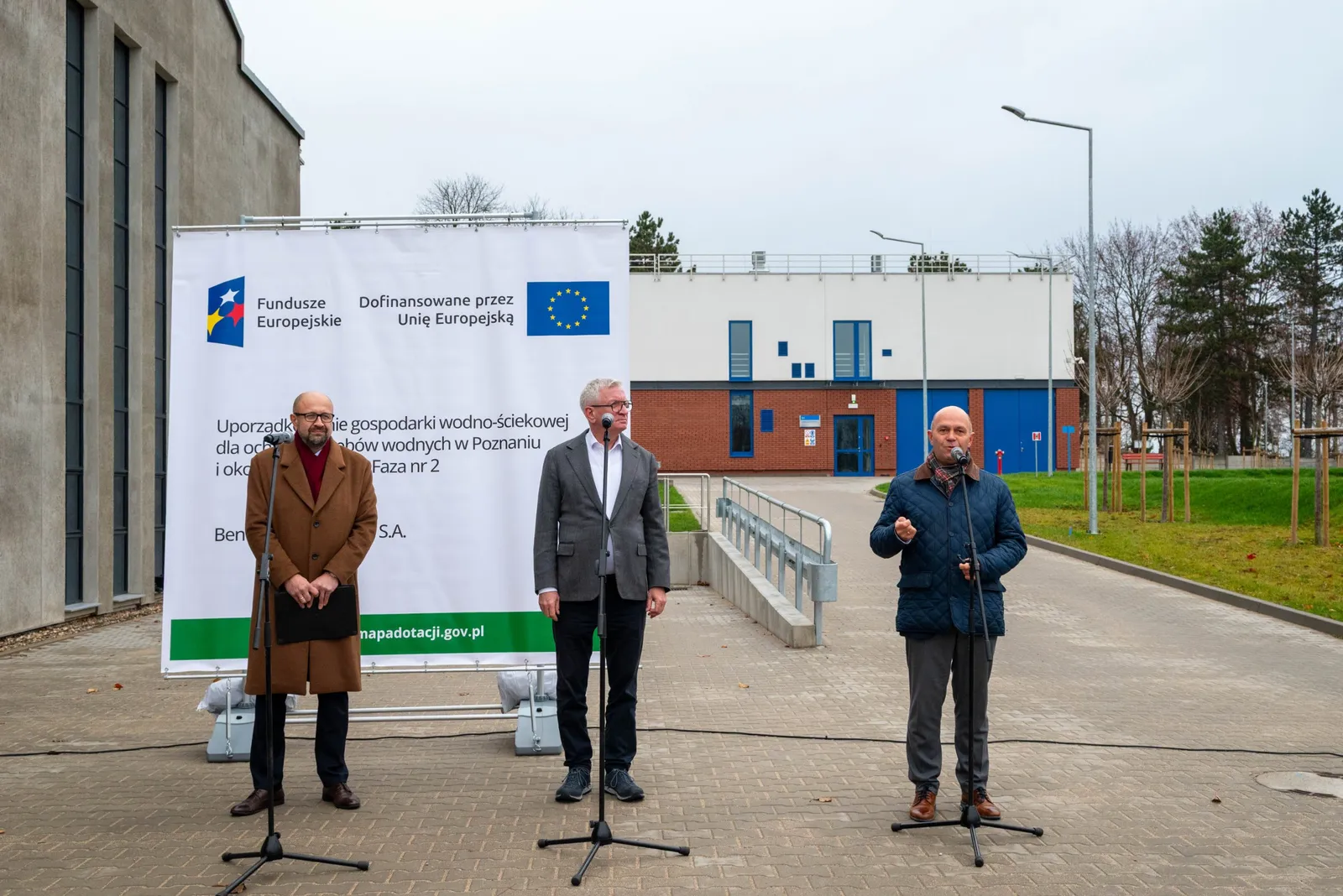
The Wiśniowa project received European funding across both phases. The first phase secured PLN 39.1 million through the Infrastructure and Environment Operational Programme, while the second received PLN 65.8 million from the European Funds for Infrastructure, Climate and Environment programme (FEnIKS).
The project was delivered by a consortium of Terlan and HYDRO-MARKO, with design work carried out by Sweco Polska and contract supervision provided by BBF.
With the modernisation nearing completion, the Wiśniowa plant is set to play an important role in maintaining Poznań's drinking water supply for years to come, combining improved treatment processes with infrastructure that has served the city for generations.