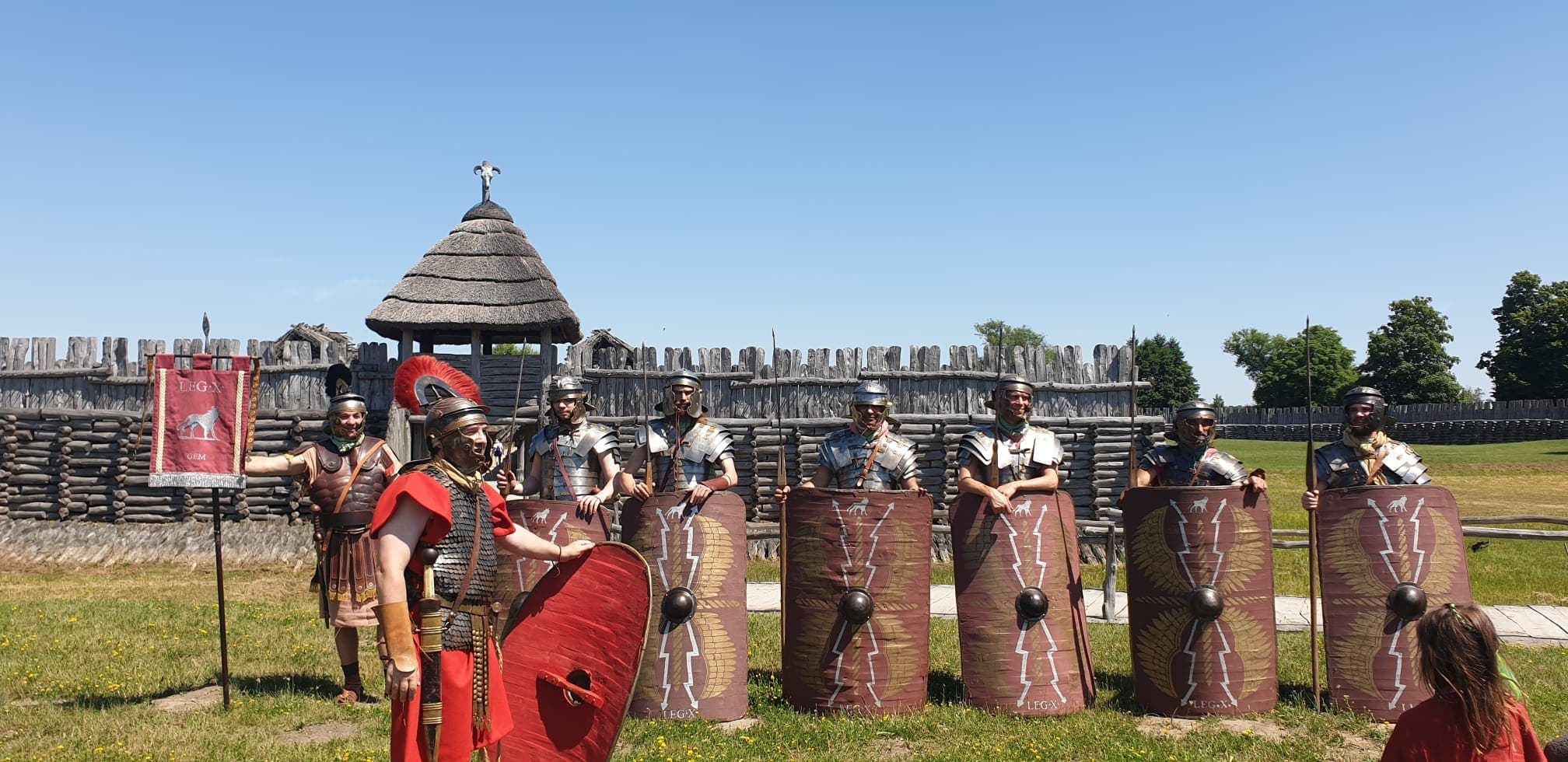
Poznań Legion X Biskupin became one of the highlights of the recent educational programme at the Archaeological Museum, where around fifteen historical re-enactors brought the everyday life of Ancient Rome to life for visitors of all ages.
Standing beneath the reconstructed timber ramparts of Biskupin, visitors did not witness a battle. Instead, they experienced something arguably even more revealing: the daily routines, discipline and shared responsibilities that made Rome’s military machine one of the most effective in history.
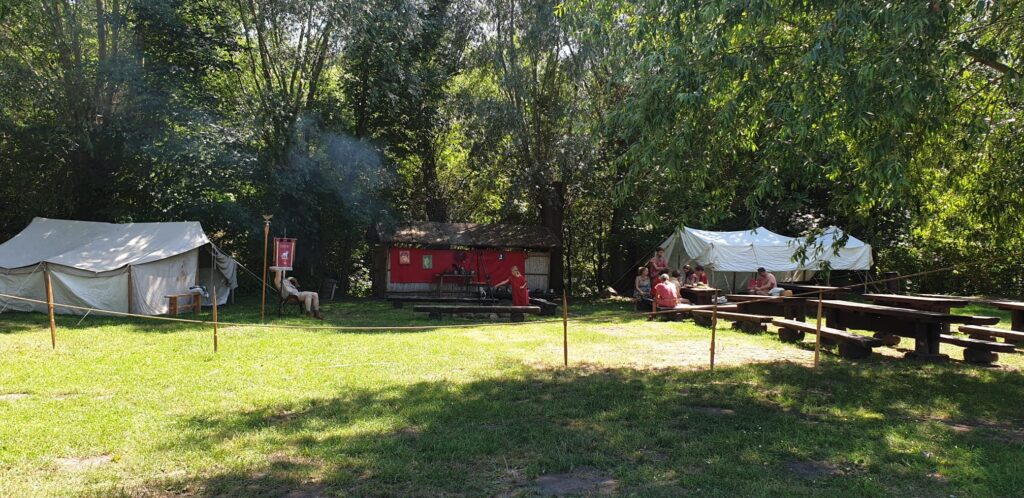
Around fifteen members of Poznań’s Legion X historical re-enactment group spent the weekend at the Archaeological Museum in Biskupin, creating an authentic Roman encampment where history came alive through conversation, participation and carefully researched demonstrations. Rather than focusing solely on warfare, the programme explored how soldiers prepared for campaigns during times of peace, revealing the close relationship between military life and the civilian communities that supported it.
A Roman Camp Built on More Than Military Might
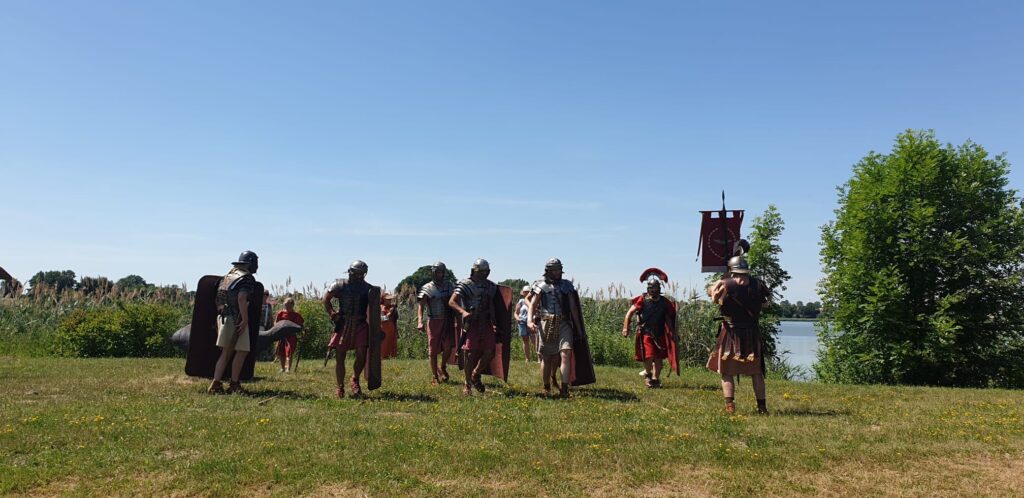
Throughout the event, visitors were invited to explore every aspect of life inside a Roman camp. Demonstrations included military formations, daily routines, equipment displays and the organisation required to keep a legion ready for deployment.
Far from being a static exhibition, the camp encouraged questions and conversation. Re-enactors explained how discipline extended beyond combat, shaping every aspect of a legionary’s life, from maintaining equipment and building camps to training, logistics and cooperation.
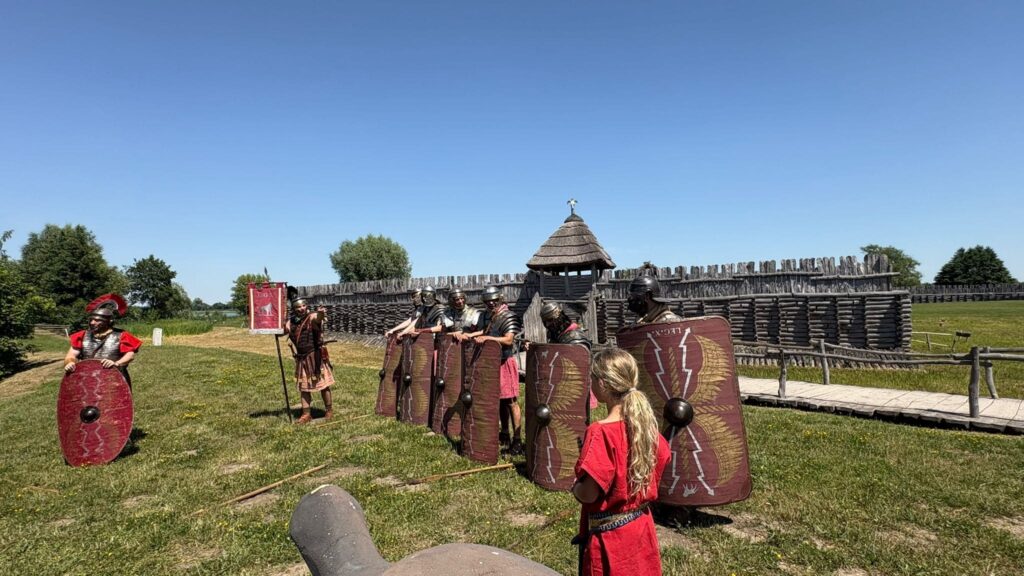
The setting itself made the experience particularly striking. Against the backdrop of Biskupin’s reconstructed ancient settlement, the Roman encampment offered visitors a rare opportunity to connect different periods of European history through living archaeology.
Children Become Roman Recruits
One of the most popular elements of the programme was the interactive military training led by Legion X.
Children were invited to take part in simplified Roman drills, learning basic formations, movement and teamwork under the guidance of experienced re-enactors. Rather than watching history from behind a barrier, they became part of the story.
The approach reflects the growing role of historical re-enactment as an educational tool, making archaeology accessible through participation rather than observation.
The Story Between the Battles
Unlike many Roman re-enactments that concentrate on famous victories and battlefield tactics, Legion X deliberately focused on what happened before an army ever marched to war.
The event explored how everyday life in times of peace shaped military success, demonstrating that Rome’s strength depended not only on skilled soldiers but also on organisation, civic responsibility and continuous preparation.
As Legion X Dagon explained:
“Our aim was to show how the military and civilian worlds were closely intertwined in those times. Much is said about the discipline of Roman legionaries, their skill, innovation, victorious battles and glory on the battlefield. Far less attention is given to what made all of that possible: social commitment, individual initiative and the sweat poured out on the Field of Mars.”
His words capture the philosophy behind Legion X’s educational work. By shifting the focus away from combat alone, the group encourages visitors to see Roman history through the lives of ordinary people whose dedication, cooperation and shared responsibilities sustained one of history’s greatest civilisations.
Poznań’s Passion for Living History
Although based in Poznań, Legion X regularly represents the city at museums and historical events across Poland. Their appearance at Biskupin is another example of how local enthusiasts contribute to public education through meticulous research, experimental archaeology and engaging interpretation.
For visitors, the event offered much more than an opportunity to admire Roman armour or watch military manoeuvres. It became a chance to understand the human stories behind history, reminding audiences that every great civilisation depended as much on preparation, community and responsibility as it did on victories.
As families left the Roman camp, many children carried away more than memories of shields and helmets. They left with a better understanding that history is ultimately about people, and that the strongest societies are built long before any battle begins.