Poznań is not a city that presents itself loudly. You usually begin to understand it on an ordinary workday: While waiting for a tram that arrives on time, meeting friends at a spot everyone agrees on without discussion, moving through the city without obstacles. To understand how the city works, you need to see and grasp its unwritten rules — habits that residents follow instinctively and rarely explain. These rules quietly organize everyday life and make the city not rigid, but stable.
___________________________________________________
A Calmer, Safer City Compared to Others
Compared to other major Polish cities, Poznań feels calmer and more contained. It lacks the constant rush of Warsaw and the tourist crowds of Kraków, which have shaped Unwritten Rules around safety, predictability, and an unhurried pace of daily life.
Pyra, Rogale, and Everyday Food Logic
Even the language around food in Poznań says a lot about the city: potatoes are usually called pyra rather than ziemniaki, and using this word naturally shows familiarity with local habits. It reflects a regional approach that values simplicity and practicality and is part of the city’s everyday Unwritten Rules system. The strongest tradition, however, is connected to St. Martin’s croissants eaten every year on November 11: long queues form in front of bakeries, no one is surprised by it, patiently waiting becomes part of the day, and no one complains, because these are the Unwritten Rules.
Neighborhoods as Everyday Identity Markers
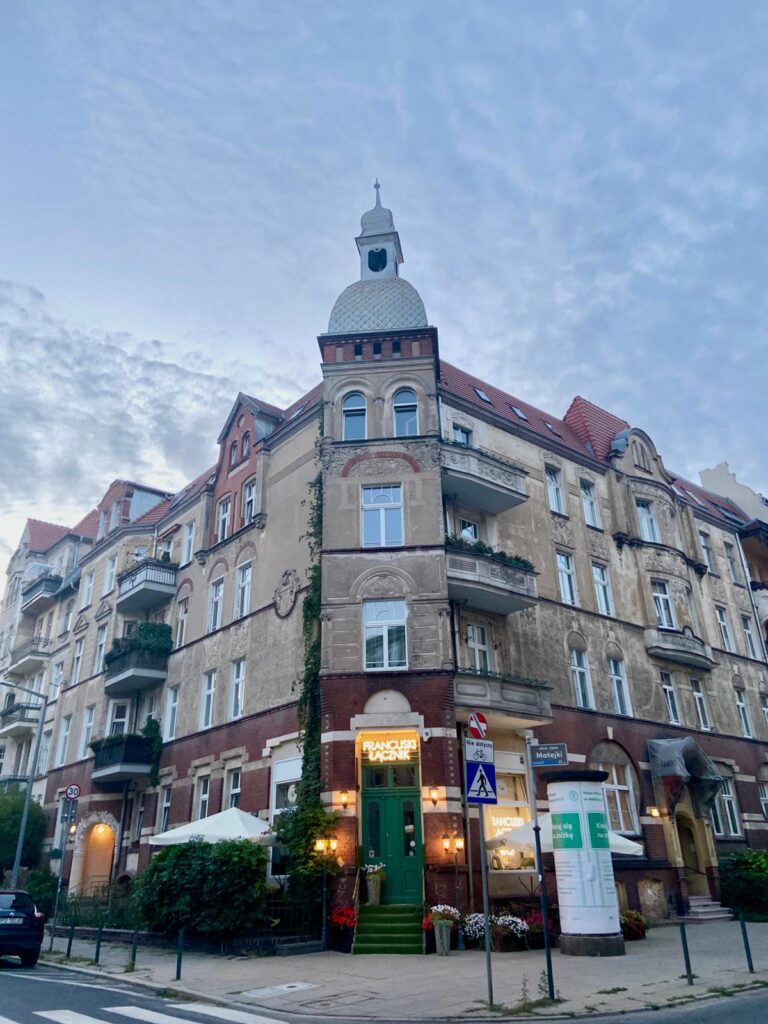
Poznań residents often introduce themselves through their neighborhoods. Jeżyce is linked with cafés and cultural life, Wilda with everyday practicality, and Łazarz with a calmer, residential atmosphere. These associations are informal but widely understood.
Important unwritten rules are that these identities are descriptive, not competitive. Locals accept that different districts serve different lifestyles, and this diversity is treated as normal rather than something to debate.
Zamek and Święty Marcin in Daily Movement
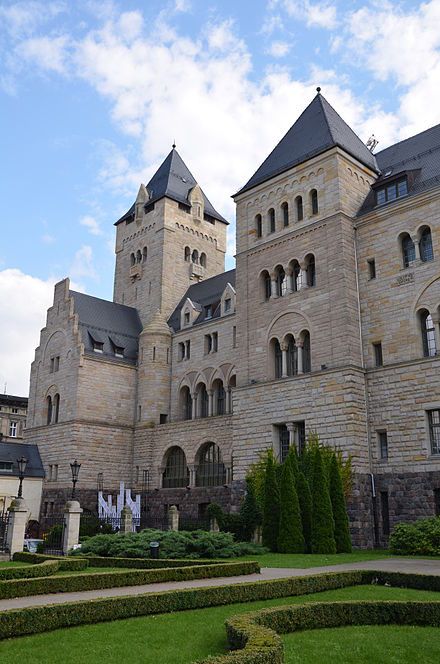
The Imperial Castle — known locally simply as Zamek — functions in Poznań less as a historical monument and more as a point of orientation in the city. Saying “let’s meet at Zamek” is not a cultural gesture but a practical shortcut. These are part of the city’s unwritten rules.
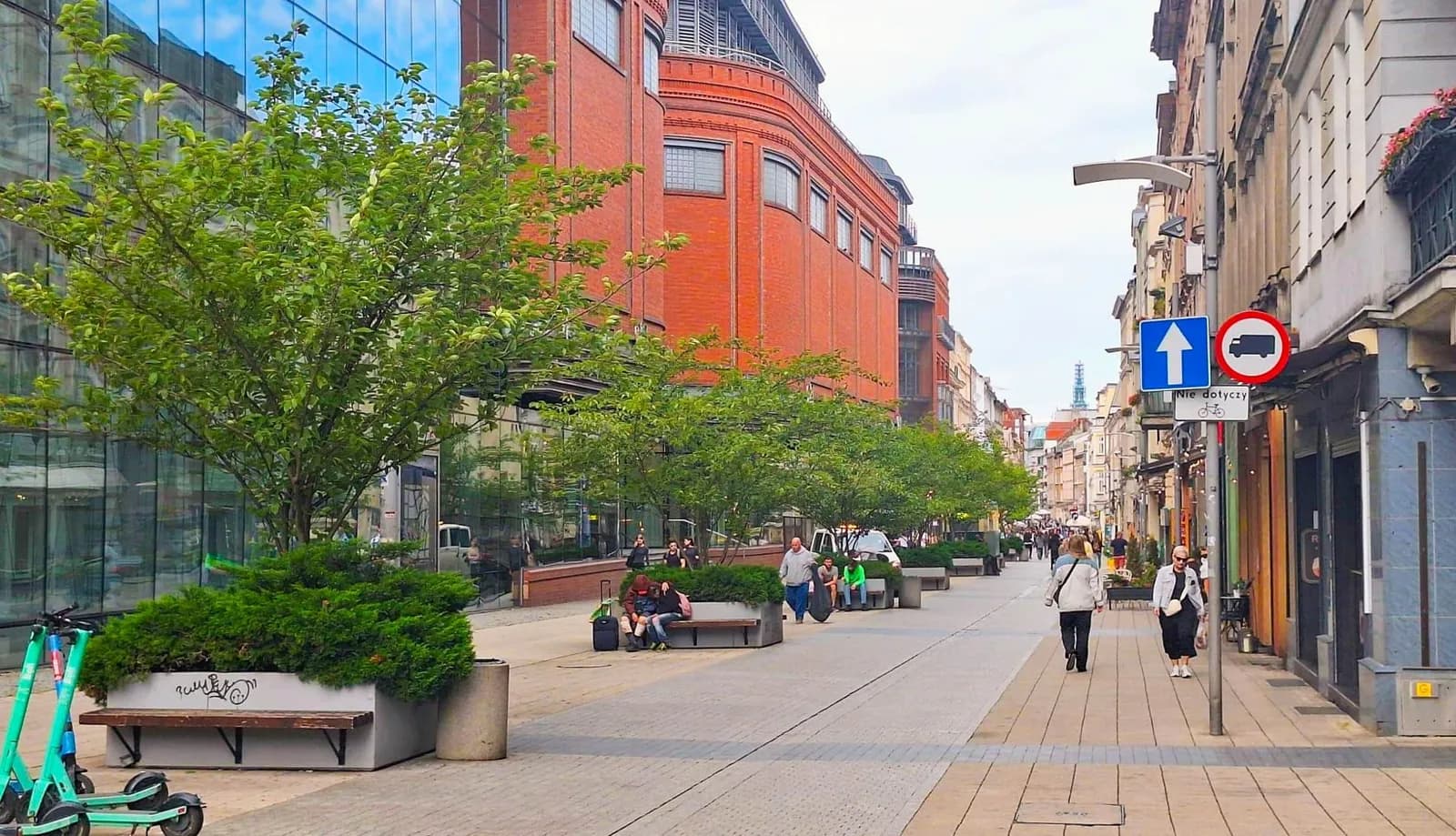
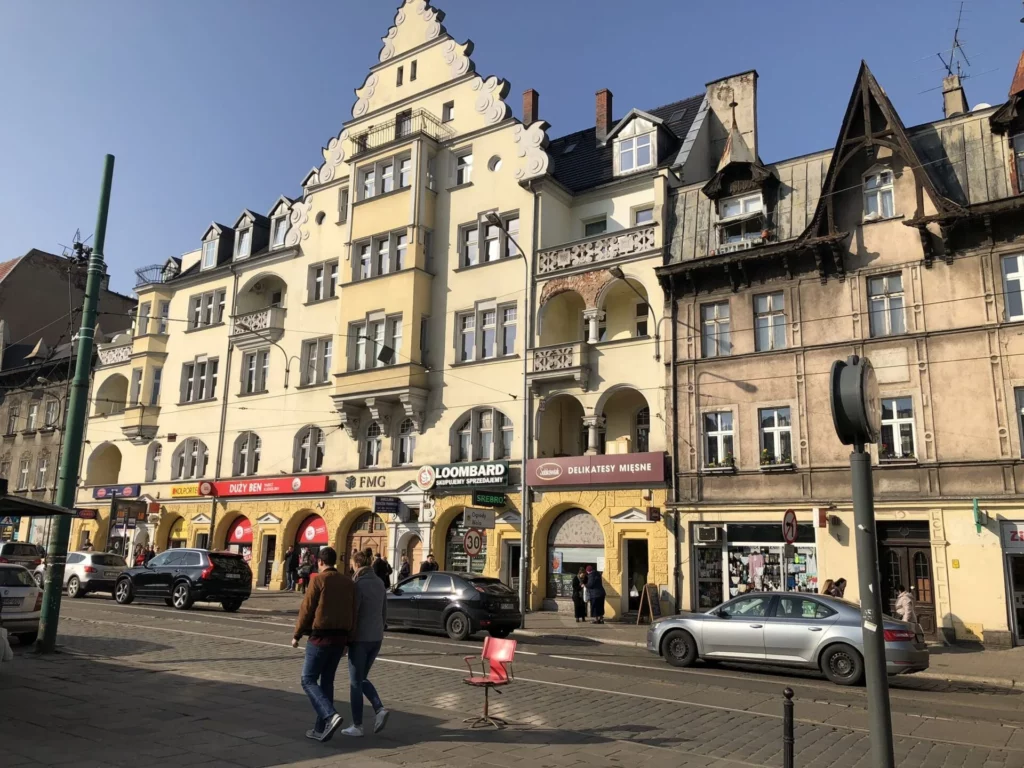
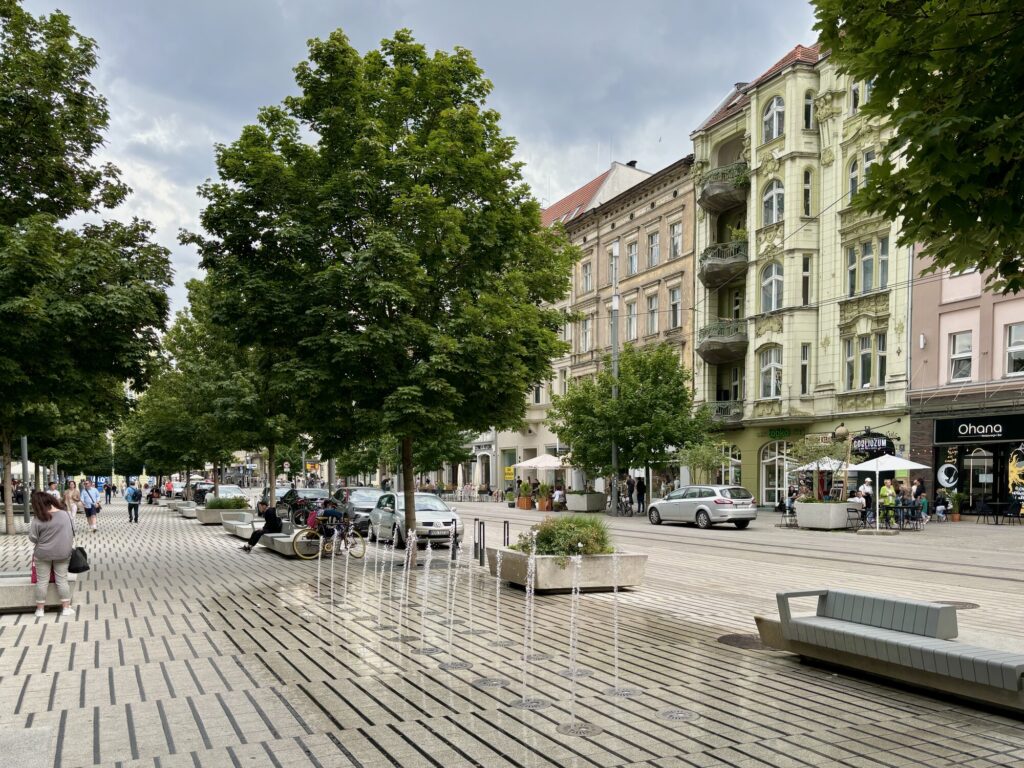
The same logic applies to Święty Marcin Street. It is a living artery that connects offices, shops, cafés, and transport lines. People usually move here with purpose: someone has somewhere to be, somewhere to go, not much time to spare. That’s why stopping without reason, suddenly blocking the way, or disrupting the flow is not well received. No one says anything, but everything is clear from the looks.
Here’s the official link to the Zamek. Click it to see what you can do at the Zamek in Poznań.
Stary Rynek and Familiar Rituals
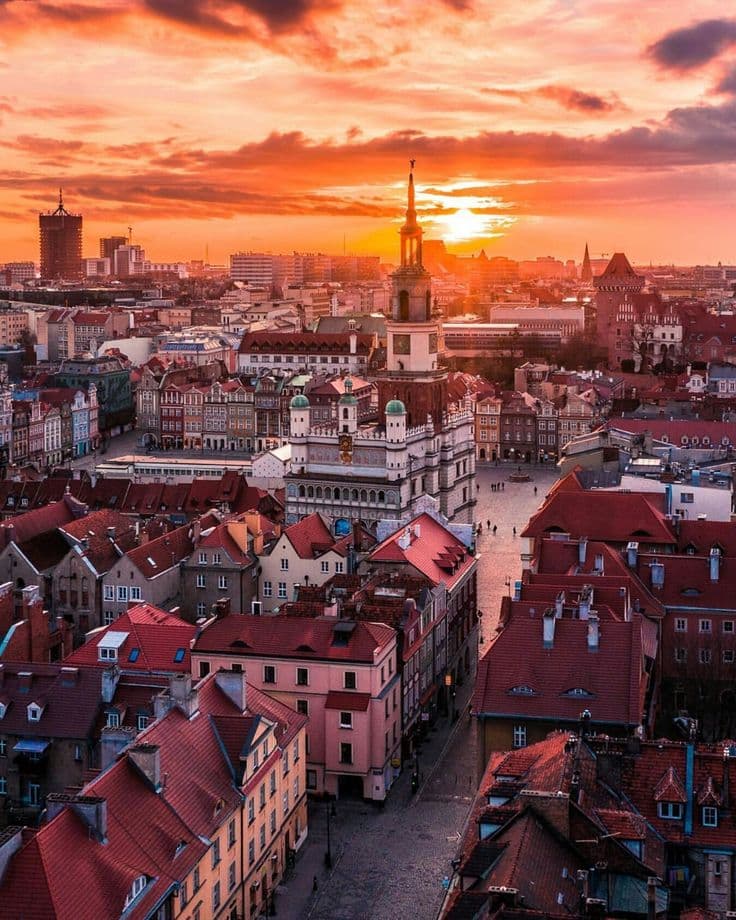
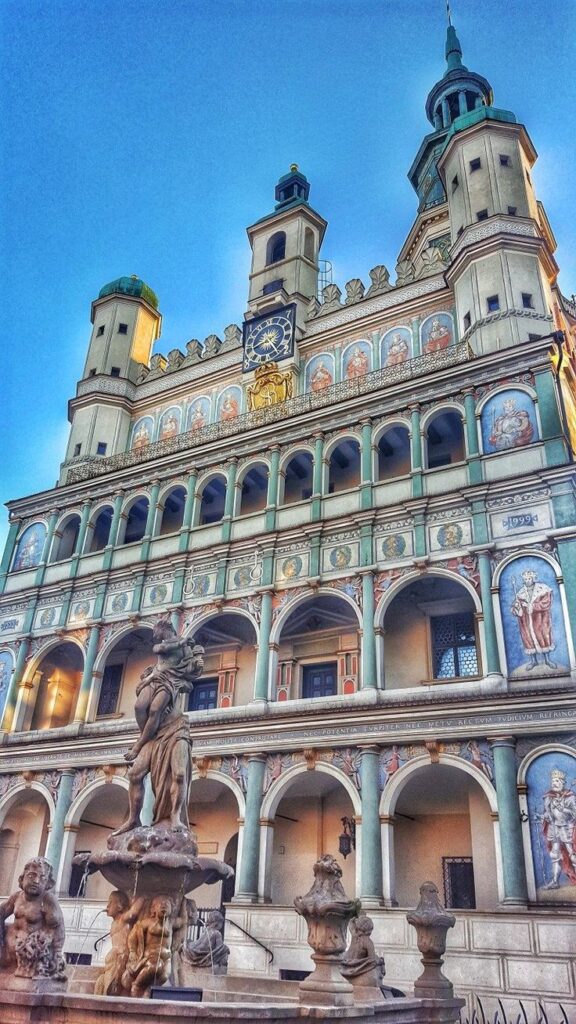
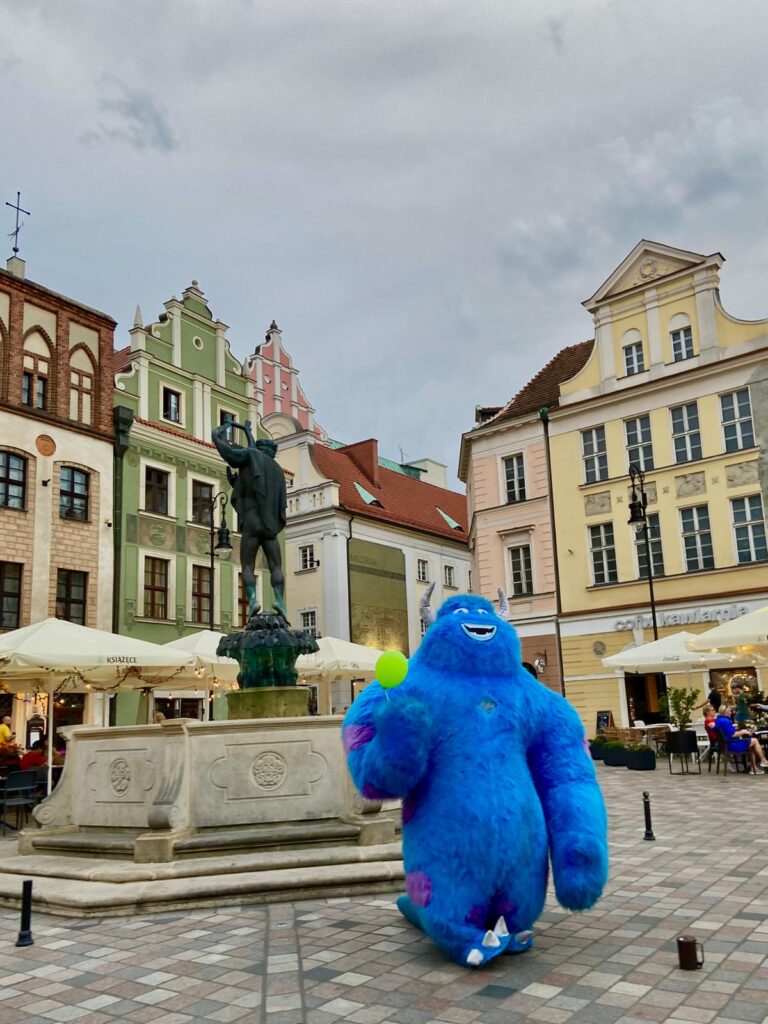
Despite changes over time, Stary Rynek remains the default meeting point. “Let’s meet on the Old Market” usually needs no clarification. Everyone understands where and why.
Every day at 12:00, the famous goats, a symbol of the city, appear on the tower of the Town Hall. At that hour, both residents and visitors gather below the tower to watch. One of Poznań’s most important unwritten rules is exactly this: some traditions are followed not as a plan, but as a reflex.
Malta Lake as a Daily Habit
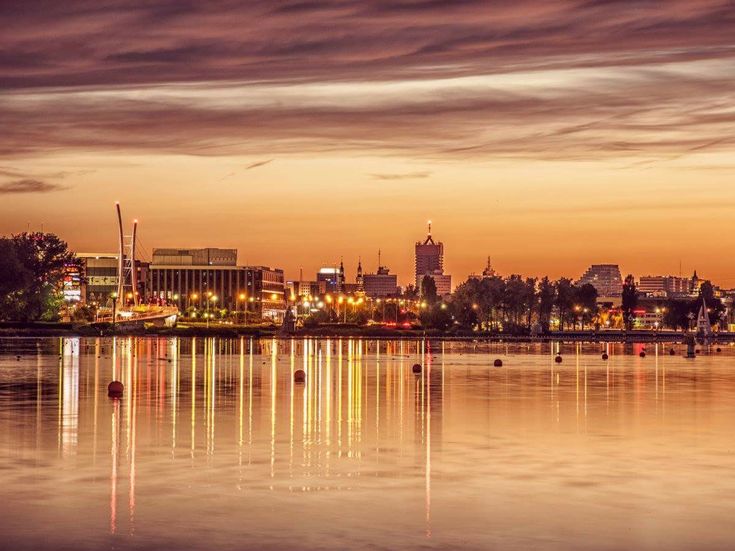
For many residents, Malta Lake is part of daily routine rather than a special destination. Morning jogs, afternoon bike rides, and evening walks happen naturally. The unwritten rules here focus on coexistence: runners keep pace, cyclists signal clearly, families use shared space calmly. Malta shows how Poznań relaxes without losing structure.
Thriftiness as a Social Code
The stereotype about Poznań’s frugality is a local joke, but it is based on real behavior. Comparing prices, planning shopping, and avoiding waste are considered normal, part of the city’s everyday unwritten rules. Being careful with money is seen not as embarrassing, but as sensible.
Language, History, and Quiet Continuity
The stereotype of Poznań thriftiness is a common local joke, but it reflects real behavior. Comparing prices, planning purchases, and avoiding waste are normal and socially accepted. Being careful with money is seen as sensible, not embarrassing. Reusable bags and practical shopping habits are everyday sights. Locals laugh about thriftiness, but they also live by it.
From Quiet Origins to Large Events
Poznań holds two very different atmospheres within the same city. Ostrów Tumski is a place for quiet walks and reflection, where life feels calmer and unhurried. A completely different rhythm appears during Pyrkon: thousands of people arrive, yet the event remains well organized because Unwritten Rules are at work, standing in line, not blocking the flow, and following the schedule.

Photo: RMF 24
Why These Rules Matter
Poznań’s unwritten rules do not restrict everyday life. They reduce friction and make daily routines easier. For locals, they are invisible. For newcomers, understanding them is often the moment when the city finally makes sense—and when Poznań reveals itself as a place that works quietly, but reliably.