Every November, as the days grow shorter and winter approaches, an old Polish tradition brings a little mystery into homes, schools and social gatherings. Known as Andrzejki, the evening of 29th November is traditionally devoted to fortune-telling, matchmaking and discovering what the future might hold.
At the centre of the celebrations are familiar rituals involving melted candle wax, old keys, shoes and handwritten names. Some are treated as games today, but they have a history stretching back centuries, when predictions about marriage and family life were taken more seriously.
For anyone discovering Polish customs, Andrzejki is one of the most distinctive dates in the country's autumn calendar. Its story combines folk beliefs, Christian tradition and a fascinating glimpse into how people once approached love, marriage and the unknown future.
What is Andrzejki?
Andrzejki takes place on the evening of 29th November, the eve of St Andrew's Day, which falls on 30th November. The Polish name comes from Andrzej, the equivalent of Andrew in English. The celebration is traditionally associated with St Andrew, one of the twelve apostles of Jesus. According to Christianity, Andrew was martyred on an X-shaped cross, now commonly known as St Andrew's Cross.
St Andrew became associated in Polish folk culture with marriage and matchmaking. His feast day provided the setting for rituals intended to reveal the identity of a future husband, the likelihood of marriage or what the coming year might bring. Andrzejki was traditionally an occasion for unmarried women, although this distinction has largely disappeared. Today, the celebrations are enjoyed by people of all ages, with schools, families, community organisations and venues organising their own events.
Where did the tradition come from?
The precise origins of Andrzejki are difficult to establish. Fortune-telling and divination were part of European folk culture long before the celebration became connected with the Christian calendar.
Some historians and folklorists suggest that elements of Andrzejki may have developed from pre-Christian beliefs about the changing seasons, the supernatural and the possibility of receiving messages about the future. Late autumn was often regarded as a mysterious time of year, when the agricultural season had ended and communities gathered indoors.
There are also theories connecting some of the customs with ancient Greek or Germanic traditions. These proposed links are interesting, but there is no conclusive evidence identifying one particular ancient festival as the direct origin of Andrzejki.
What is documented is that the custom was established in Poland by the sixteenth century. One of the earliest known written references appears in Marcin Bielski's 1557 theatrical work, Komedyja Justyna i Konstancyjej. By this period, fortune-telling associated with St Andrew's Eve was already familiar enough to be referenced in Polish literature. The rituals were particularly concerned with marriage, reflecting the importance of finding a suitable partner in the social life of the time.
The connection with St Andrew gave the existing folk customs a place within the Christian calendar. The celebration also fell immediately before Advent, traditionally a period of religious preparation and restraint leading up to Christmas.
The fortune-telling rituals of Andrzejki
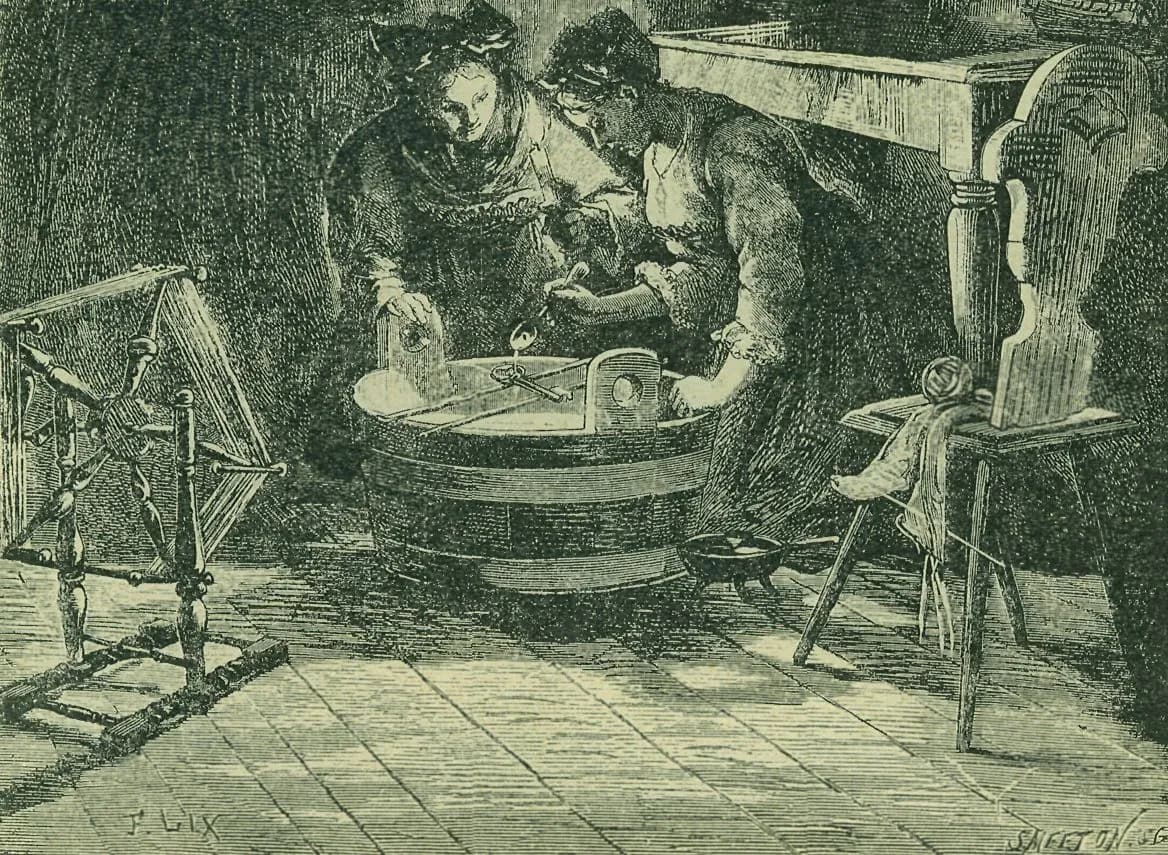
The best-known Andrzejki custom involves melted candle wax, an old key and a bowl of cold water. It is one of the most recognisable images associated with Polish folklore.
Pouring wax through a key
A candle is melted and the liquid wax is carefully poured through the hole of a large key into cold water. As the wax hardens, it forms an irregular shape.
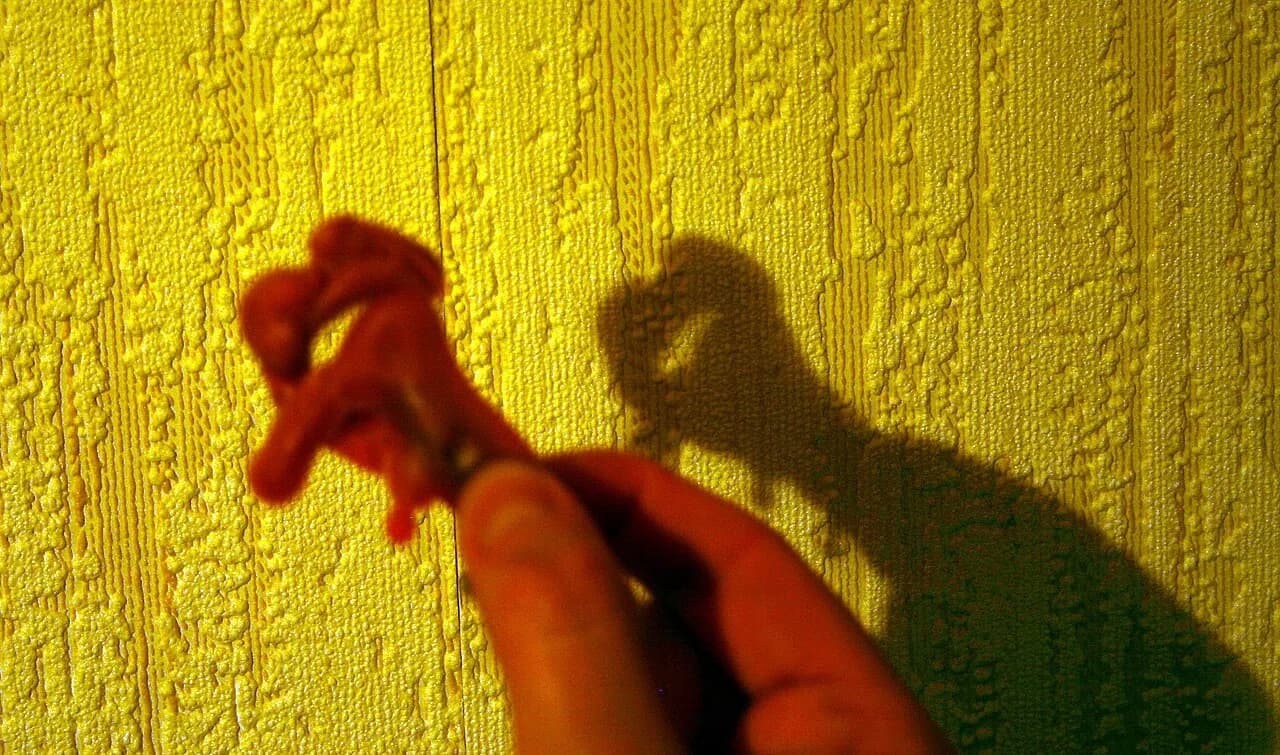
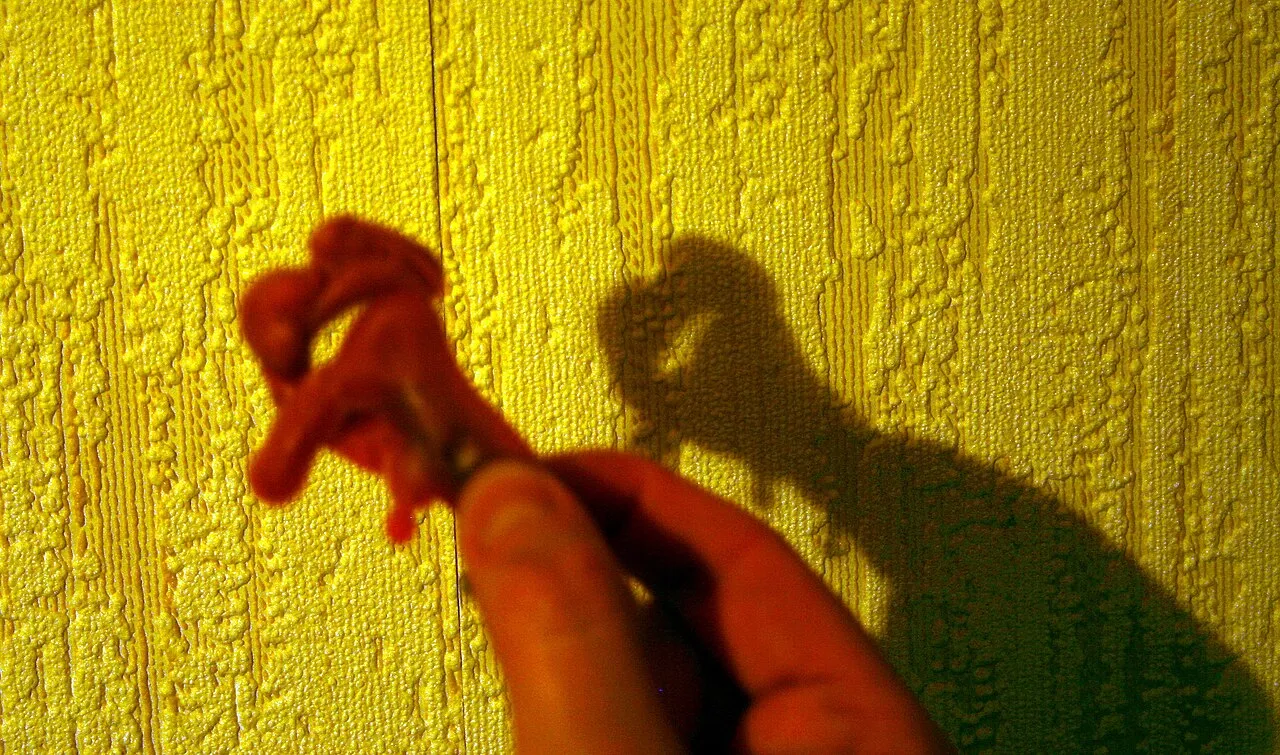
Participants interpret the hardened wax, looking for shapes that might suggest love, travel, money or other events in the future. Sometimes, the wax figure is held in front of a light so that its shadow falls on a wall, and fortune is told by examining the shape of the shadow. The key is traditionally seen as a symbolic way of unlocking knowledge about what lies ahead.
The shoe race
Another familiar custom involves removing one shoe and placing it in a line towards the front door. Participants take turns moving their shoes forwards, usually from the back of the line. The first shoe to cross the threshold supposedly belongs to the person who will marry first.
Drawing names and predicting a future husband
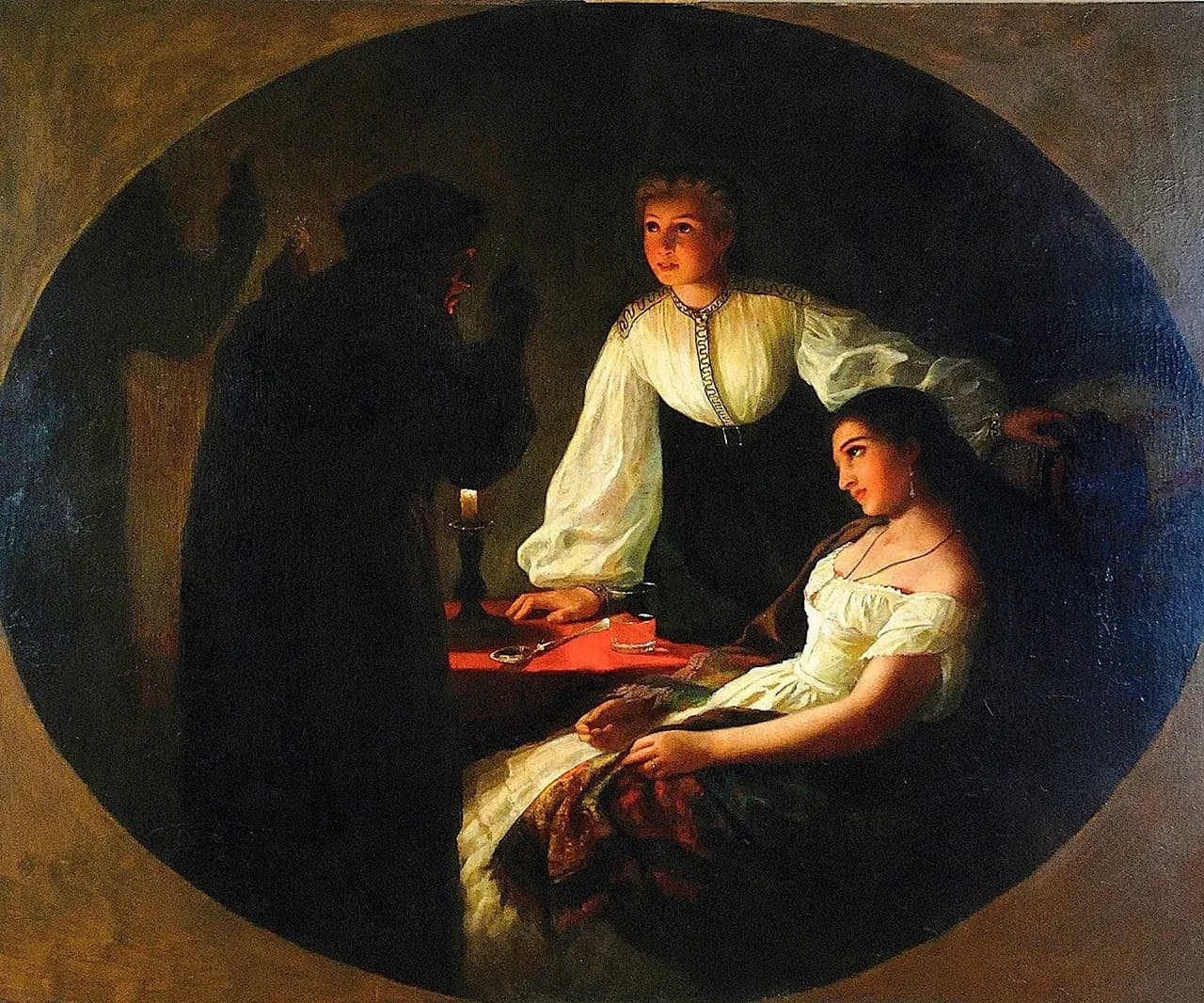
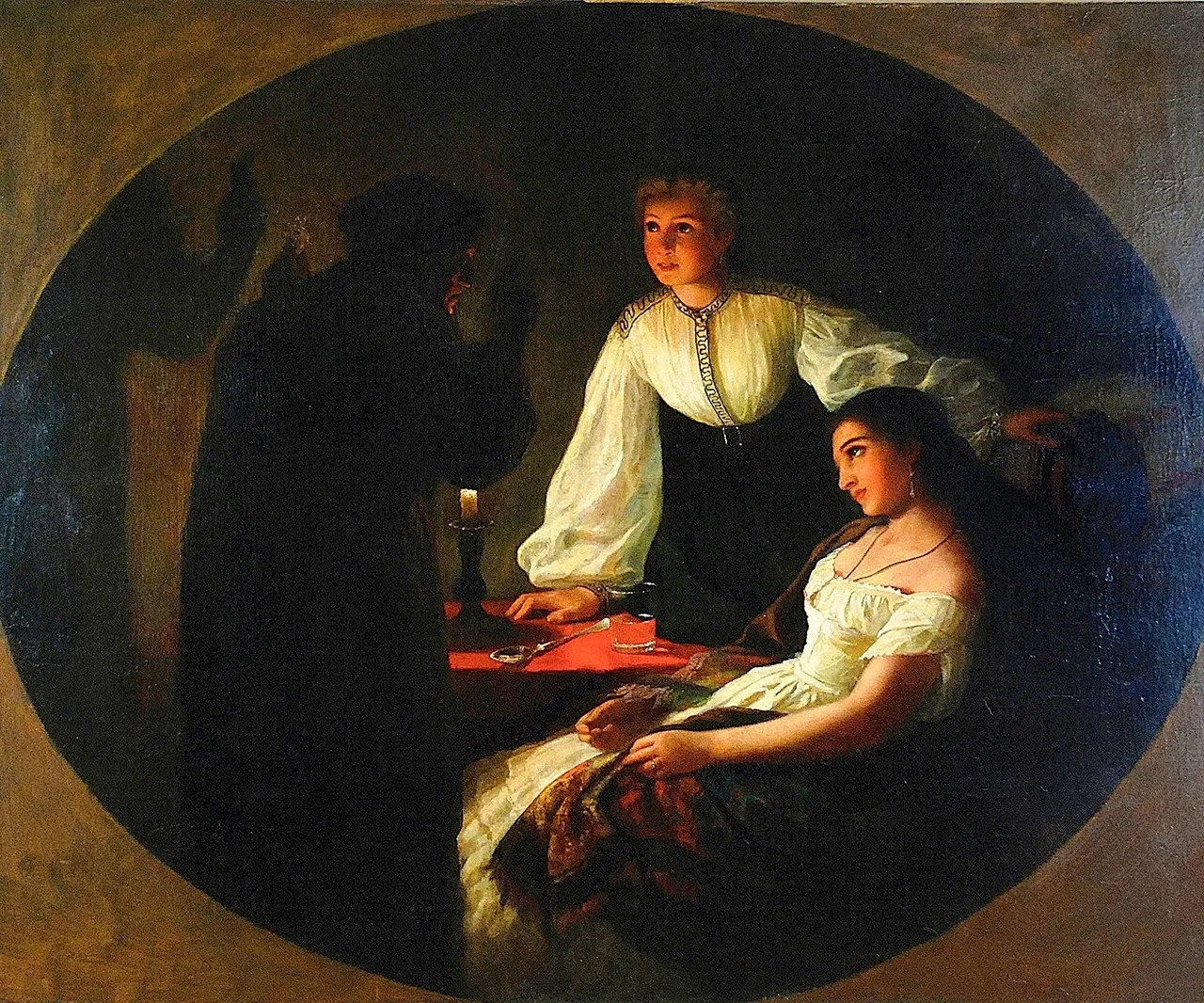
Marriage predictions were central to the original celebration. Young women would write men's names on pieces of paper and place them in a container, drawing one at random in the hope that it would reveal the name of a future husband.
In another version, names were placed beneath a pillow, with one selected the following morning. Dreams also played a part in the traditional rituals. Some unmarried women followed customs involving prayers or symbolic objects placed beneath their pillows, hoping that a future husband would appear in a dream.
Other regional variations used rings, small household objects and containers placed beneath bowls. The meanings differed between communities, and there was never just one universal way of celebrating Andrzejki.
The forgotten Katarzynki tradition
There is another Polish tradition connected with matchmaking that is less familiar today: Katarzynki.
Celebrated on the night of 24th November, ahead of St Catherine's Day on 25th November, Katarzynki was traditionally the equivalent of Andrzejki for men. While young women looked to St Andrew for clues about their future husbands, unmarried men looked to St Catherine for predictions about their future wives.
Like Andrzejki, Katarzynki involved fortune-telling, symbolic games and attempts to discover something about future married life. Some versions included drawing names, interpreting dreams and using objects to reveal the identity of a future partner.
The two traditions reflected the different social expectations placed on young men and women in earlier Polish society. Marriage was a significant milestone, and the rituals offered an opportunity to explore hopes and anxieties about the future.
Over time, Katarzynki gradually lost popularity, while Andrzejki became the better-known and more widely celebrated occasion. The distinction between the two has largely disappeared, and modern Andrzejki parties are open to everyone.
How Andrzejki is celebrated today
Modern Andrzejki celebrations have moved away from the serious predictions of the past. Fortune-telling remains at the heart of the occasion, but it is now primarily a source of entertainment.
Schools regularly organise Andrzejki activities for children, with wax pouring, games, music and themed decorations. It is an opportunity to introduce younger generations to Polish folklore in an informal setting.
Among adults, celebrations range from evenings with friends at home to larger parties organised by restaurants, clubs and community venues. Music and dancing are often part of the programme, alongside the traditional fortune-telling activities.
The date also has a place in the wider Polish social calendar. Falling just before Advent, Andrzejki traditionally marks one of the final opportunities for lively gatherings before the more reflective pre-Christmas period.
Although few people today expect a wax shape or a randomly selected name to determine their future, the rituals remain and continue to be passed between generations.
The survival of Andrzejki also says something about the way Polish folklore is maintained. Customs that once reflected the expectations of an earlier society have found a new role as social entertainment and cultural heritage.
Sources: Wikipedia, MNW, Uniwersytet Wrocławski
Have an Andrzejki event taking place in Poznań? Send the details to Poznań Magazine for possible inclusion in our local events guide.