Visitors to Poznań Zoo can now see three small carnivore species in newly refurbished enclosures, with European mink, Siberian weasels and dwarf mongooses settling into an upgraded home at the zoo's existing site.
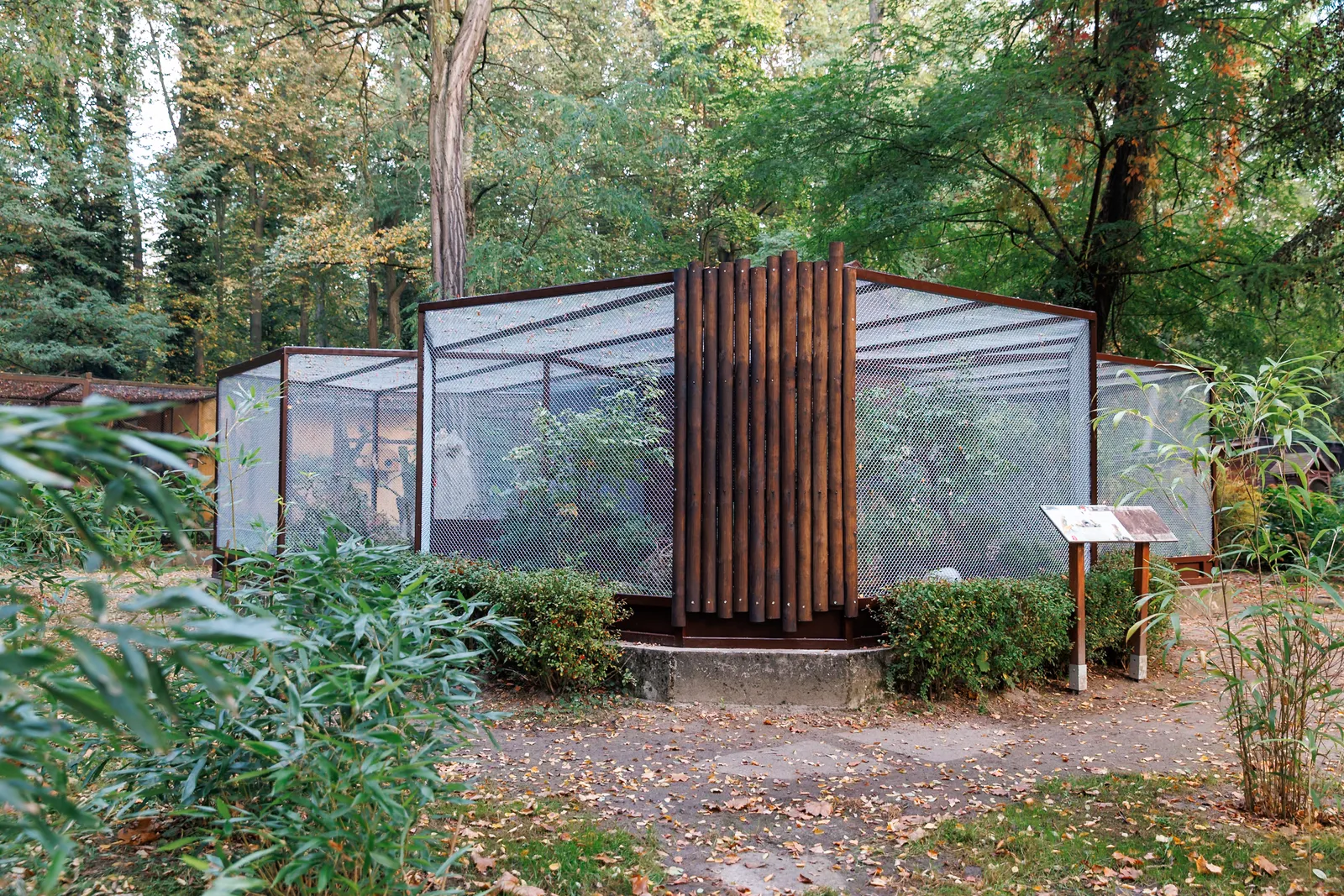
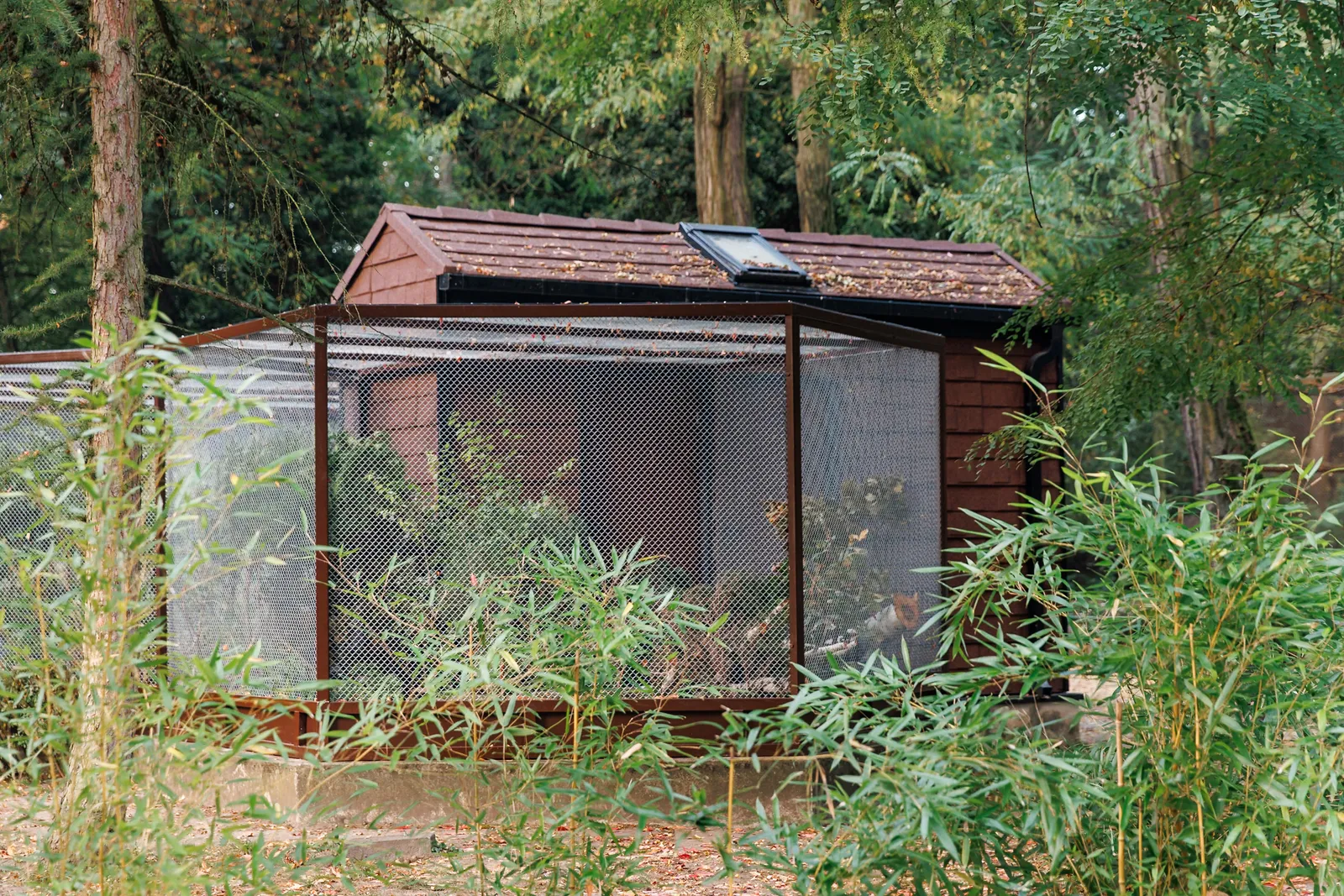
The redevelopment gives the animals a wooden indoor building surrounded by larger, netted outdoor enclosures, with a separate space for each species. The new facilities are designed to make everyday life more comfortable for the animals and easier for the keepers who care for them.
The project also brings a welcome improvement for visitors. New signs feature raised illustrations and Braille, with audio descriptions and short videos in Polish Sign Language planned for a later stage.
A new home built through local collaboration
The wooden structure was created through a partnership between Poznań Zoo, the BUDMA construction trade fair and the Greater Poland branch of the Polish Association of Roofers.
Rather than being assembled entirely at the zoo, the structure took shape during construction and installation work at the Międzynarodowe Targi Poznańskie, Poznań's International Fair. The collaboration also provided an opportunity to discuss wildlife conservation with the construction industry and visitors to the event.
Remigiusz Koziński, head of the New Zoo and Education Department, highlighted the importance of explaining the needs of the animals that would eventually occupy the building, particularly the European mink.
The finished development provides indoor accommodation alongside larger outdoor aviaries, each assigned to a different species. Although the residents have not moved to a new part of the zoo, their surroundings have been substantially improved.
European mink: a species in serious trouble
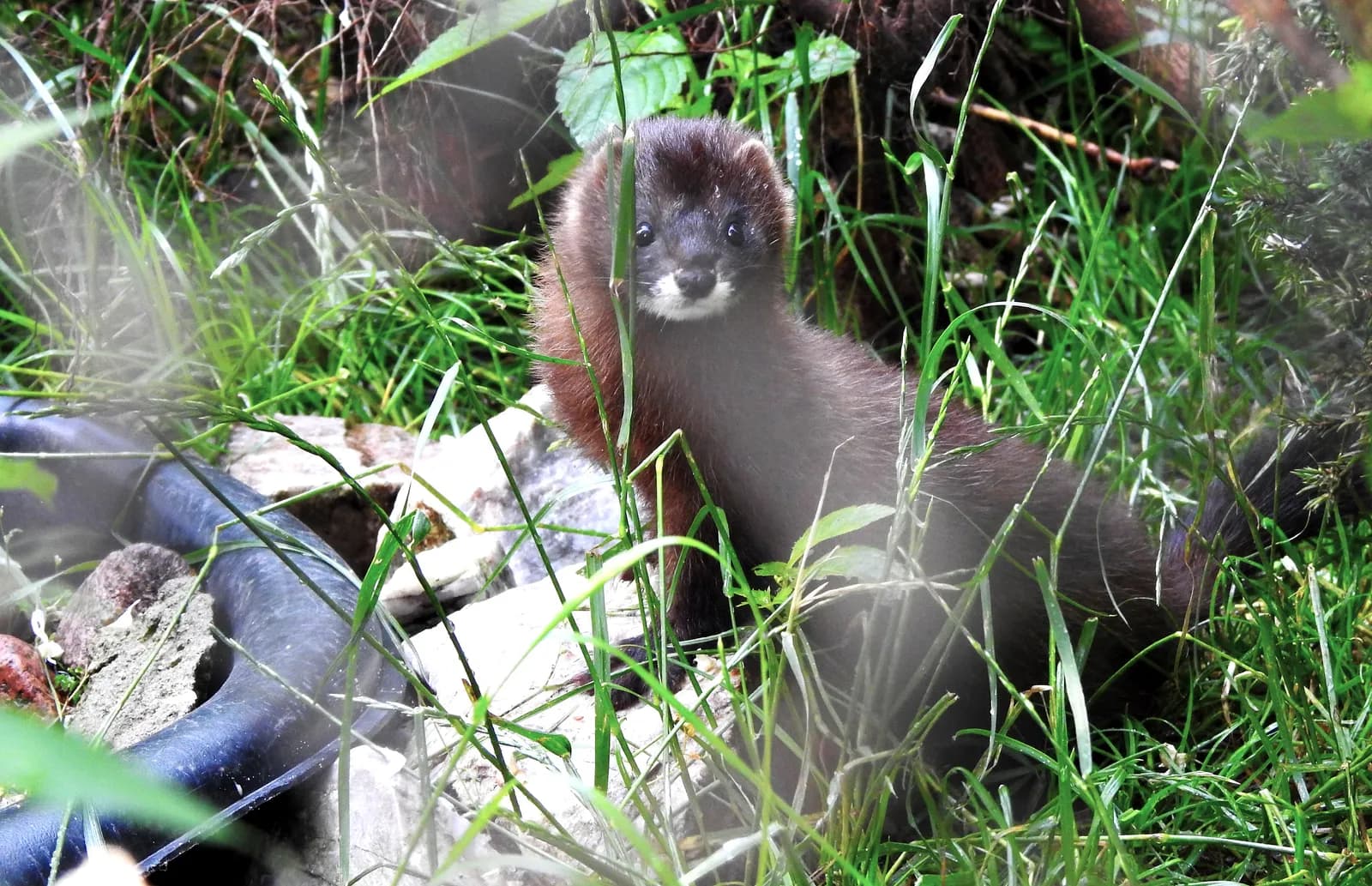
Of the three residents, the European mink (Mustela lutreola) has a particularly urgent conservation story.
Classified as Critically Endangered on the IUCN Red List in its 2025 European assessment, the species has suffered a severe decline in its natural range. Habitat loss and degradation due to climate change, alongside competition from the introduced American mink, have contributed to the disappearance of many populations. The European mink now survives in only a small fraction of its historical range.
European mink are closely associated with wetlands, riverbanks and other waterside habitats. They are agile hunters that feed on a variety of prey, including fish, amphibians and small mammals.
The species is also considered extinct in the wild in Poland, making its presence at Poznań Zoo particularly significant. It offers visitors an opportunity to learn about a native European predator that has disappeared from the country's natural landscape.
Conservation work for threatened species can involve protected habitats, breeding programmes, research and efforts to restore populations where conditions allow. Zoos can contribute to this work, although the precise role of any particular programme depends on the species and the conservation partnerships involved.
For visitors, the new enclosure provides a practical starting point for understanding why protecting wetlands and controlling invasive species can be important for native wildlife.
Three small carnivores, three different ways of life
European mink
Mustela lutreola
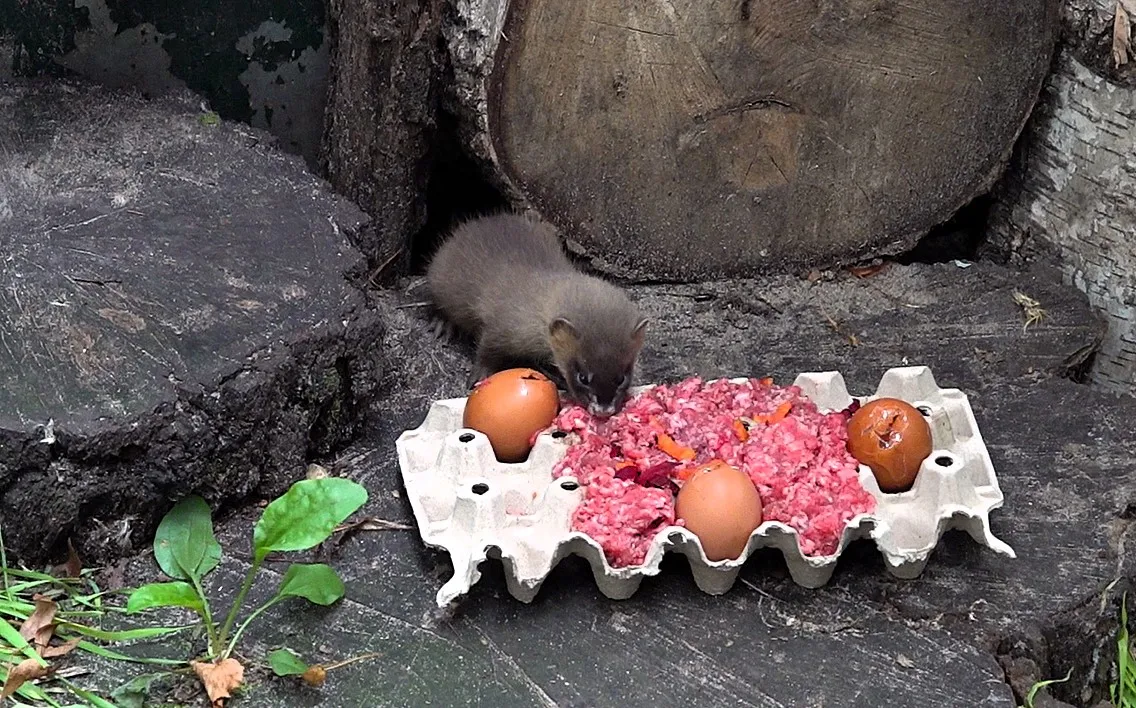
A largely solitary, semi-aquatic predator, the European mink is adapted to life around water. Its long, slender body helps it move through dense vegetation and hunt in waterside habitats. Its conservation status makes it the most threatened of the three species featured in the redevelopment.
Siberian weasel
Mustela sibirica
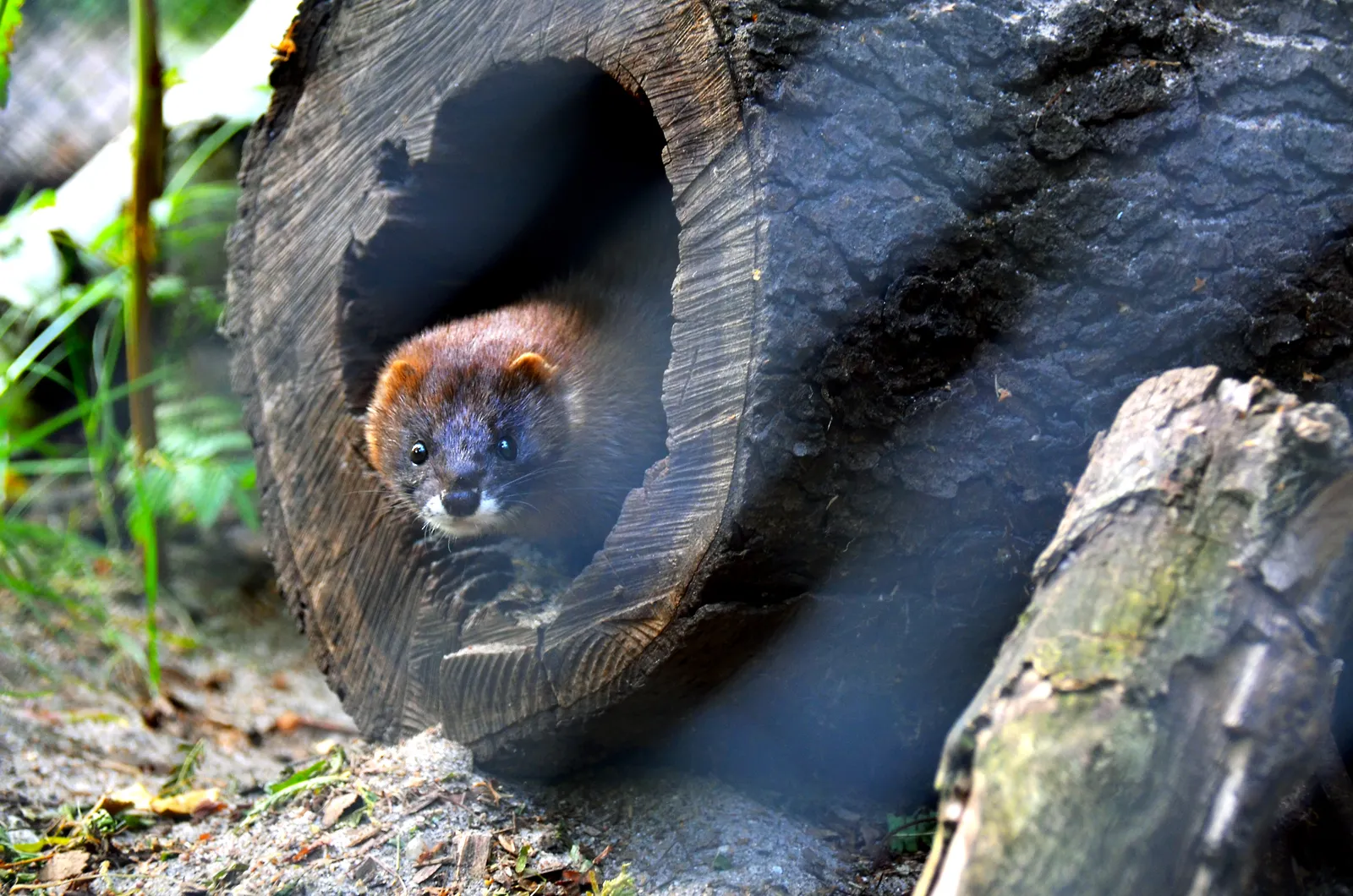
Also known as the Siberian kolonok, this reddish-brown member of the weasel family has a broad Asian distribution. It inhabits varied environments and hunts small animals, including rodents and other small vertebrates. Its adaptability contrasts with the precarious position of the European mink.
Dwarf mongoose
Helogale parvula
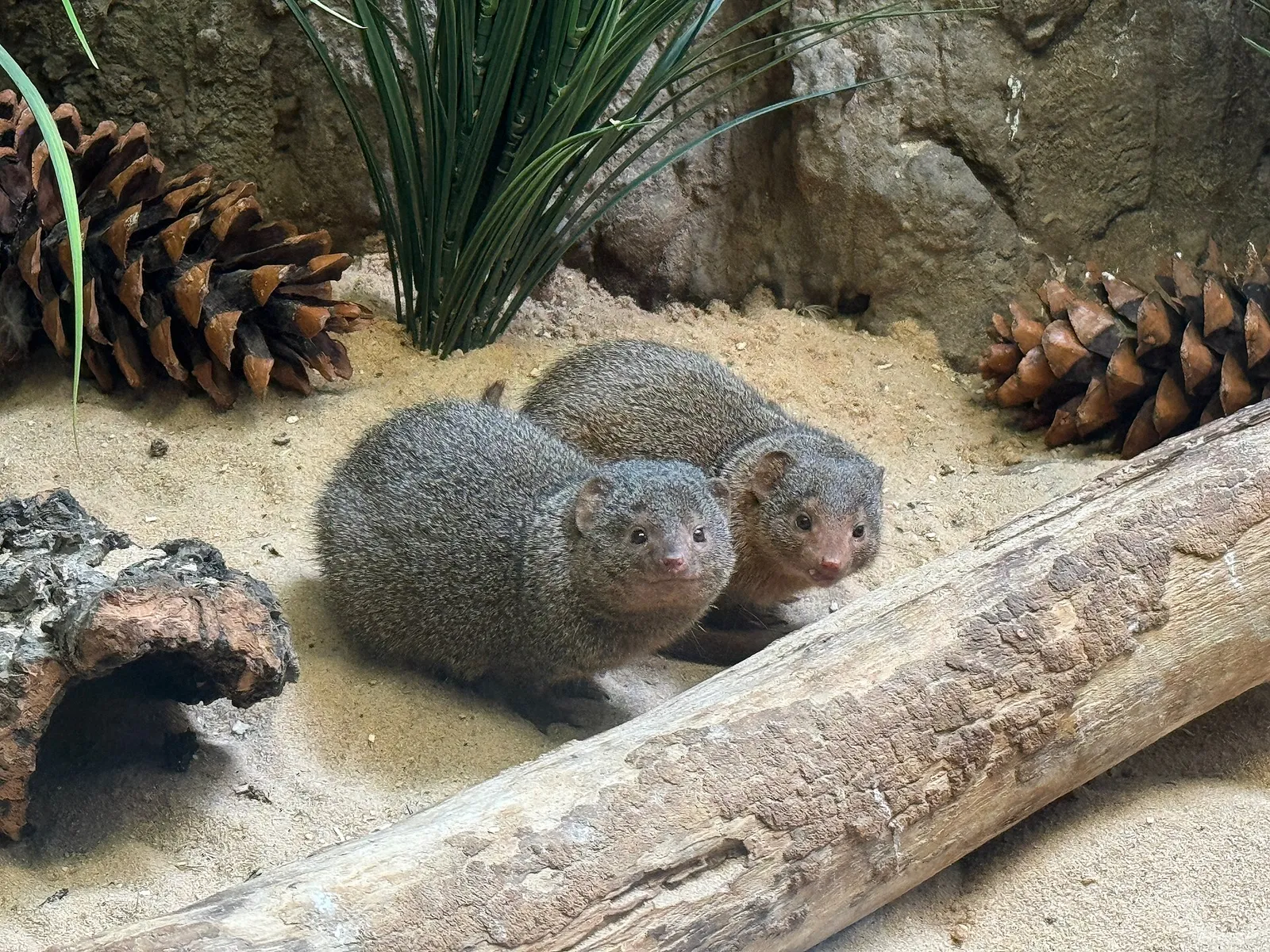
Native to parts of eastern and southern Africa, the dwarf mongoose is the smallest mongoose species. Unlike the generally solitary mink, dwarf mongooses live in social groups, foraging for insects and other small food items. They often use termite mounds and rock crevices for shelter, and group members cooperate in activities such as vigilance and defence.
Despite their small size, these carnivores occupy different ecological niches. Seeing them alongside one another offers an opportunity to compare the ways animals adapt to their habitats, from the waterside hunting of the European mink to the group-living behaviour of dwarf mongooses.