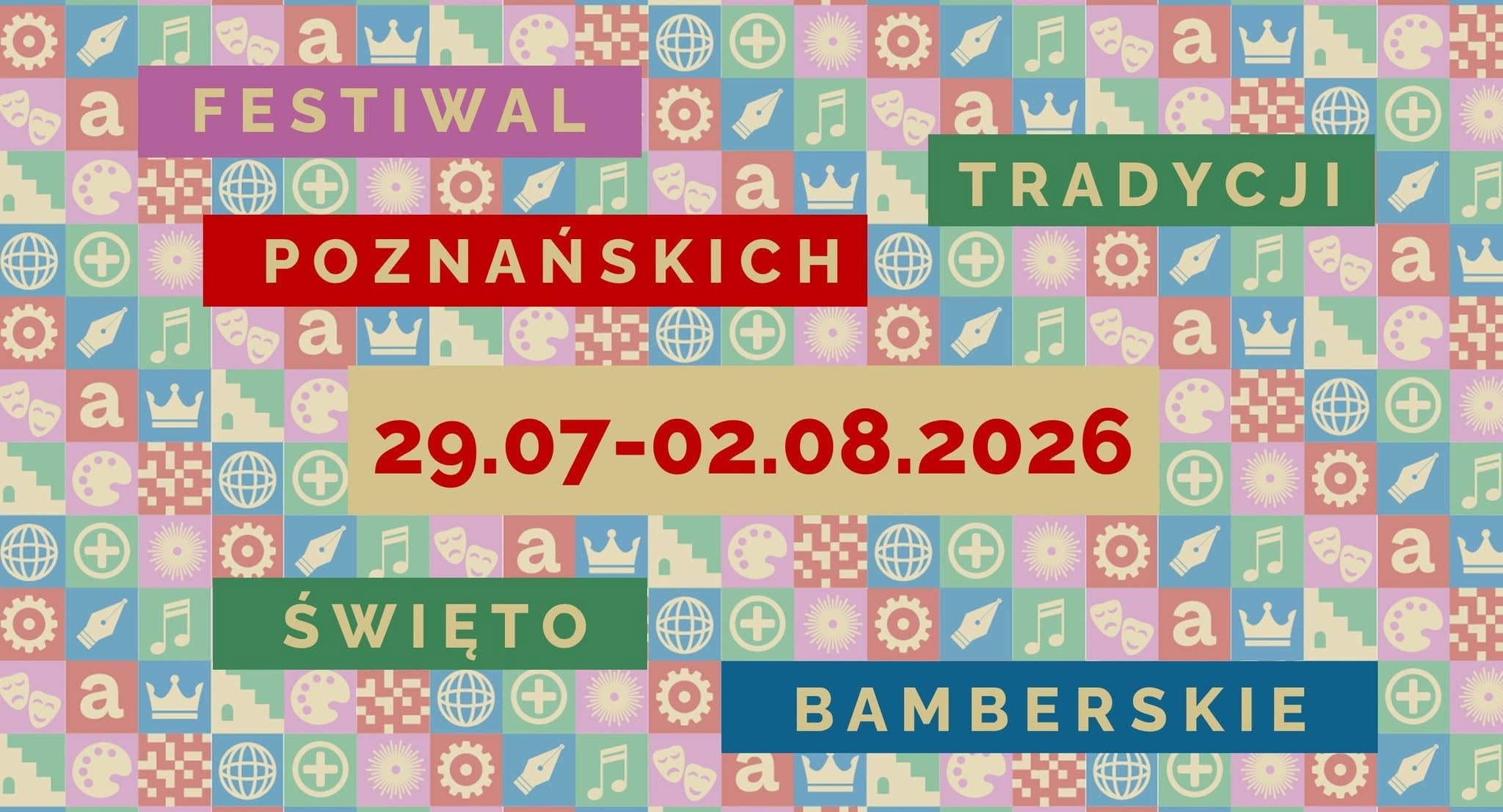
Poznań’s history comes to life this week as the Festival of Poznań Traditions returns from 29 July to 2 August, inviting residents and visitors to celebrate the people, stories and customs that have shaped the city across generations.
Now in its fifth year, the festival combines exhibitions, concerts, literary events, family activities and guided walks to explore Poznań’s rich cultural heritage. This year’s programme once more shines a spotlight on remarkable people whose lives have become part of the city’s identity, before culminating on Sunday with one of Poznań’s most colourful annual celebrations, the 31st Święto Bamberskie.
Organisers describe the festival as an opportunity to remember that a city is much more than its streets and buildings. Its true character is created by the people who have lived, worked and built communities here, ensuring that traditions continue to inspire new generations rather than remaining confined to history books.
A Week Celebrating Poznań’s People and Traditions
The Festival of Poznań Traditions opens with an exhibition marking its fifth anniversary on the Wolny Dziedziniec at Poznań City Hall.
On 29 July, the Biblioteka Raczyńskich hosts an evening dedicated to writer Maria Wicherkiewiczowa, including a lecture by Alicja Przybyszewska and a presentation of manuscripts from the library’s collection.
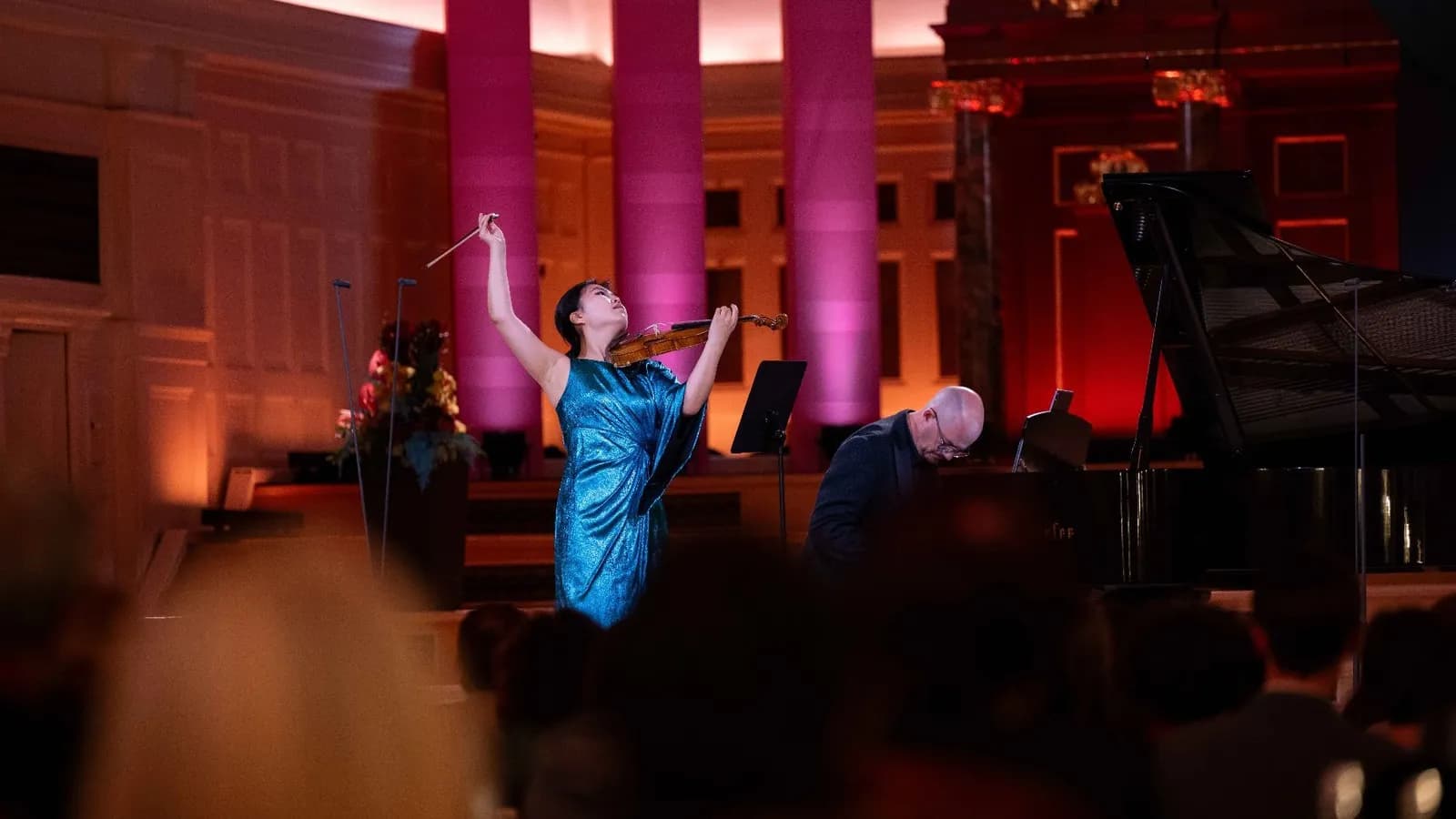
Music takes centre stage on 31 July with Piknik z Chopinem (Picnic with Chopin) in Park Chopina, where Poznań pianists and Chopin Competition laureates Jacek Kortus and Łukasz Byrdy will perform in an open-air summer concert. In the event of bad weather, the performance will move to the White Hall of Poznań City Hall.
The programme continues on 1 August with family entertainment in Pasaż Quadro on the Old Market Square. Visitors can enjoy a musical theatre performance inspired by the travels of Kazimierz Nowak, concerts, poetry-themed activities, a city game celebrating Poznań’s literary heritage and live performances throughout the afternoon.
At 5.00 pm, the festival will pause for a minute’s silence to commemorate the people of Poznań who took part in the Warsaw Uprising. Elsewhere, Brama Poznania will host a guided walk exploring the city’s intangible cultural heritage, while Park Bambrów Poznańskich will welcome visitors for the annual Bambers’ picnic.
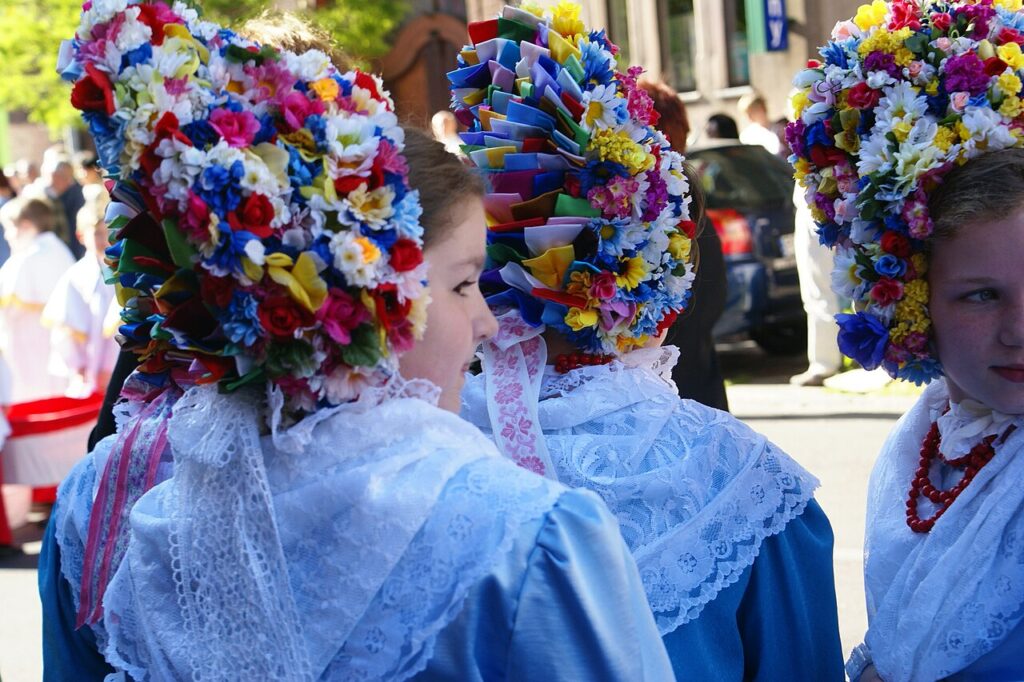
The Festival Reaches Its Finale with Święto Bamberskie
The celebrations conclude on Sunday, 2 August, with the 31st Święto Bamberskie, one of the city’s most recognisable cultural events and a highlight of Poznań’s summer calendar.
The afternoon begins at 2.00 pm outside the Museum of Poznań Bambers, where the traditional Bambers’ Parade will set off through Mostowa, Wielka, the Old Market Square, Wodna and Plac Kolegiacki before arriving at the Wolny Dziedziniec of Poznań City Hall.
From 2.30 pm, the festival finale will feature an official welcome from the city authorities, the traditional ceremony honouring the Bamberka, performances by the Orchestra of the City of Poznań at MPK and the Zespół Pieśni i Tańca Kębłowo, as well as a family theatre production titled Dawne zabawki ludowe w Polsce (Old folk toys in Poland).
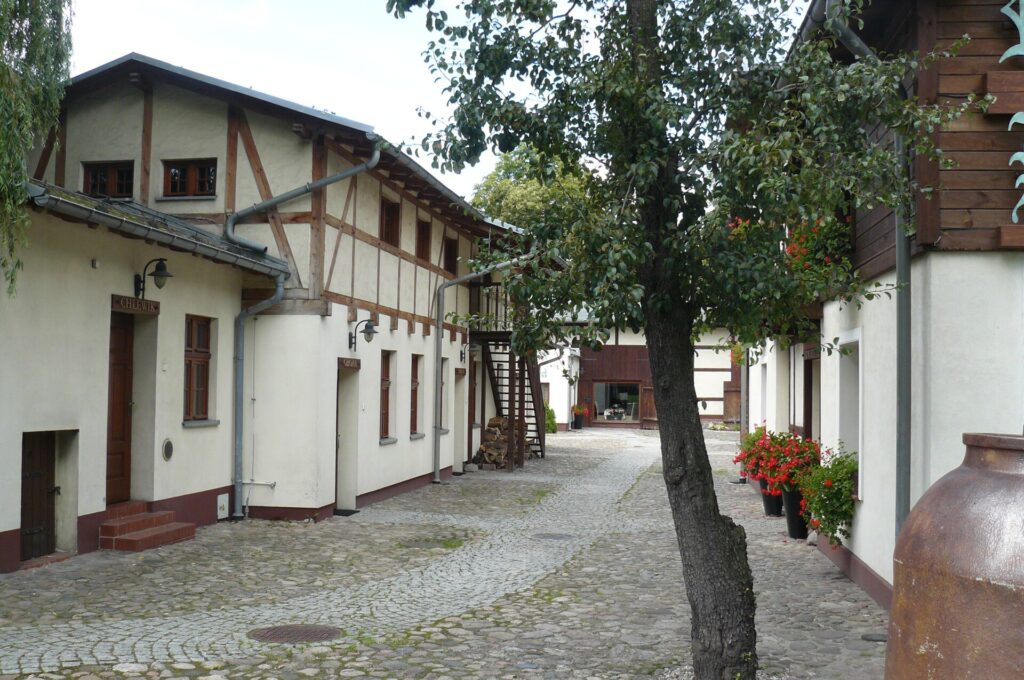
Throughout the afternoon, visitors can explore a recreated Bamber homestead, take part in family activities, enjoy children’s entertainment and join workshops making traditional folk dolls.
The celebrations continue into the evening with a community dance led by Kapela Odloty and Teofil from Katowice at 5.00 pm, followed by a concert by Żuki Rock and Roll Band at 6.00 pm.
Admission to all events is free.
The Bambers’ Place in Poznań’s History
The story celebrated during Święto Bamberskie began more than three centuries ago.
In the early eighteenth century, the villages belonging to Poznań had been devastated by the Great Northern War and a subsequent plague, leaving many communities abandoned and depriving the city of an important source of income.
To rebuild these settlements, Poznań’s authorities invited Catholic farming families from the Bamberg region of southern Franconia. Between 1719 and 1753, several waves of settlers arrived, establishing themselves in villages including Luboń, Dębiec, Jeżyce, Winiary, Rataje, Wilda and Górczyn, all of which have since become part of modern Poznań.
The newcomers received timber to build homes, grain for planting and temporary tax relief, which helped them restore the devastated farmland. Although they initially spoke German, their shared Catholic faith brought them into local parish life, while schools and everyday contact with Polish neighbours accelerated their integration into the local community.
Over time, mixed marriages became common and successive generations increasingly identified themselves as Polish. Historians have described the process as an exceptional example of cultural integration, with the descendants of the Bambers becoming an integral part of Poznań’s society while preserving elements of their distinctive heritage.
Their contribution extended well beyond agriculture. Bamber families played an active role in the Greater Poland Uprising, the Polish-Soviet War and the resistance during the Second World War, demonstrating their commitment to both Poznań and Poland.
A Celebration That Still Resonates Today
Today, many Poznań families can trace their roots back to the original Bamber settlers, while others simply recognise the celebration as an important part of the city’s identity.
The Festival of Poznań Traditions reflects that broader story. Rather than focusing solely on buildings or historical landmarks, it celebrates the people whose lives have shaped Poznań and whose legacy continues to influence the city today.
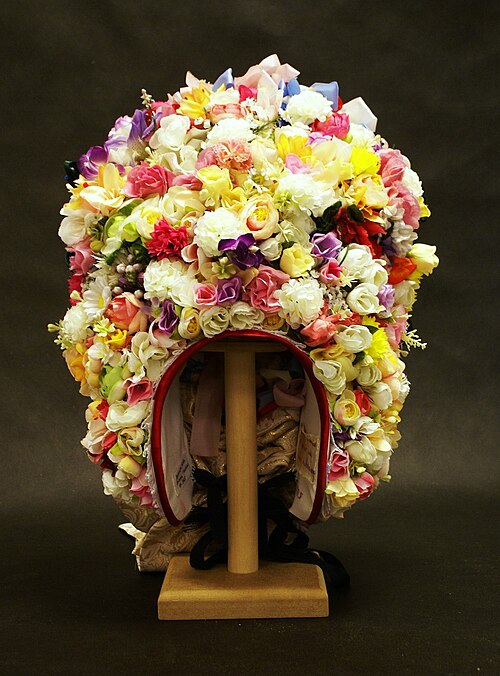
The colourful costumes, music and festivities make Święto Bamberskie one of the most photographed events of the summer, but its lasting significance lies in reminding residents that Poznań has long been a city built by communities working together. It is a tradition that honours the past while continuing to bring people together in the present.
Look up at the night sky and make a wish 🌠 Here are some of the best places to watch the Perseid meteor shower around Poznań!