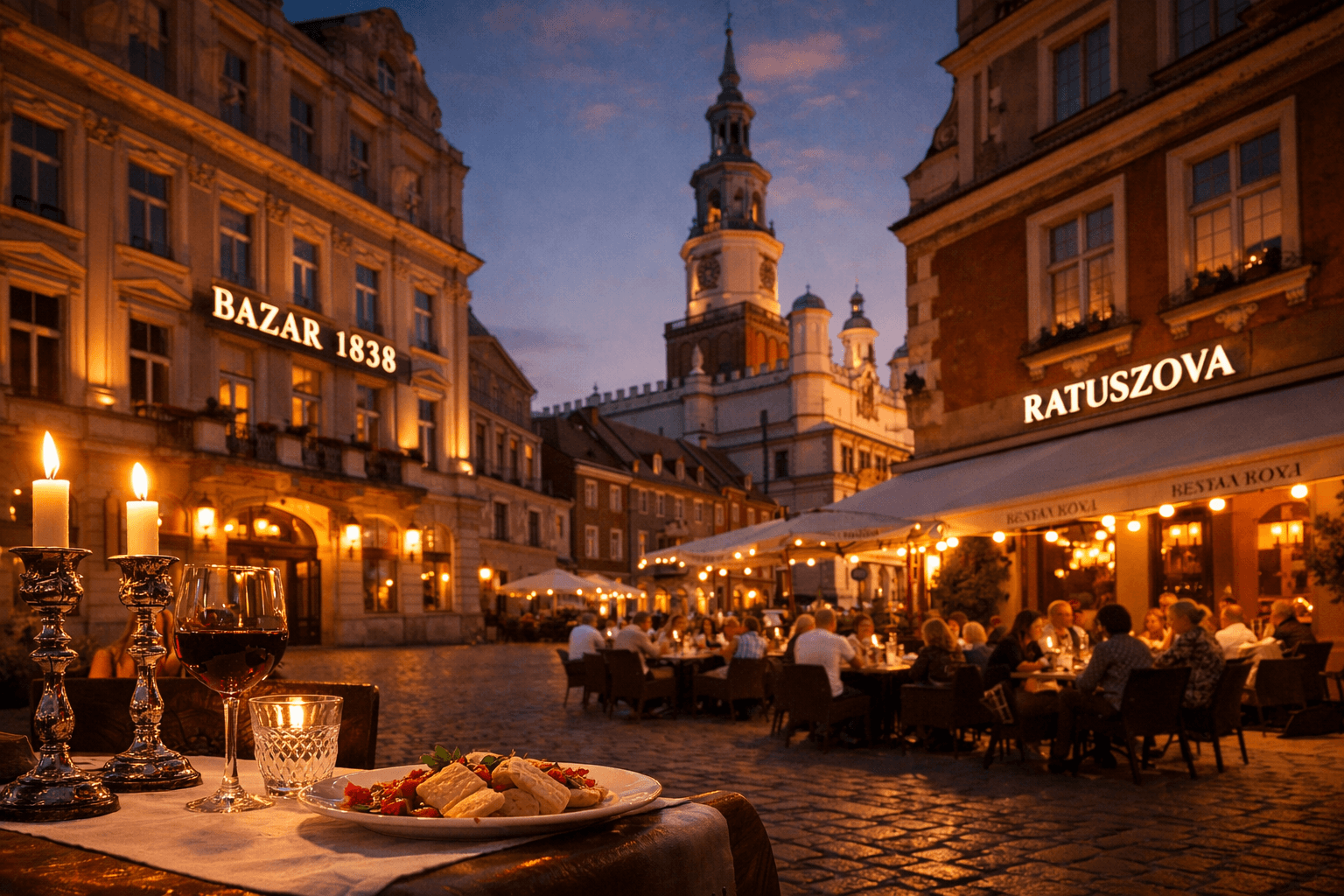
Poznań is a city where history is not locked behind museum doors—it lives on the streets, in buildings, and on plates. The oldest restaurants in Poznań offer more than traditional food; they provide a direct connection to the city’s political, social, and cultural past. From nineteenth-century patriotic meeting places to medieval townhouses on the Old Market Square, dining here can feel like stepping into another era. This guide explores two places where Poznań’s story is still being served every day.
A City Where Dining and History Have Always Gone Hand in Hand
The oldest restaurants in Poznań are inseparable from the city’s long and complex history. Founded in the Middle Ages and shaped by centuries of political change, Poznań has always been an important economic and cultural hub in western Poland. Its merchants, intellectuals, and political leaders met not only in official buildings but also in restaurants, inns, and wine cellars. These spaces were places for discussion, negotiation, celebration, and sometimes quiet resistance. Today, some of these historic locations still operate as restaurants, allowing visitors to experience Poznań’s past in a tangible, everyday way.
Unlike modern themed venues, the oldest restaurants in Poznań were never designed to be “historic attractions.” Their history accumulated naturally over generations. Wars, fires, occupations, and reconstructions reshaped them, but they continued to function as social spaces. This continuity is what makes them exceptional. Sitting down for a meal in one of these places means entering a setting that has hosted merchants from the Hanseatic period, nineteenth-century patriots, and post-war locals as they rebuilt daily life.
Bazar 1838 – A Patriotic Landmark Turned Culinary Institution
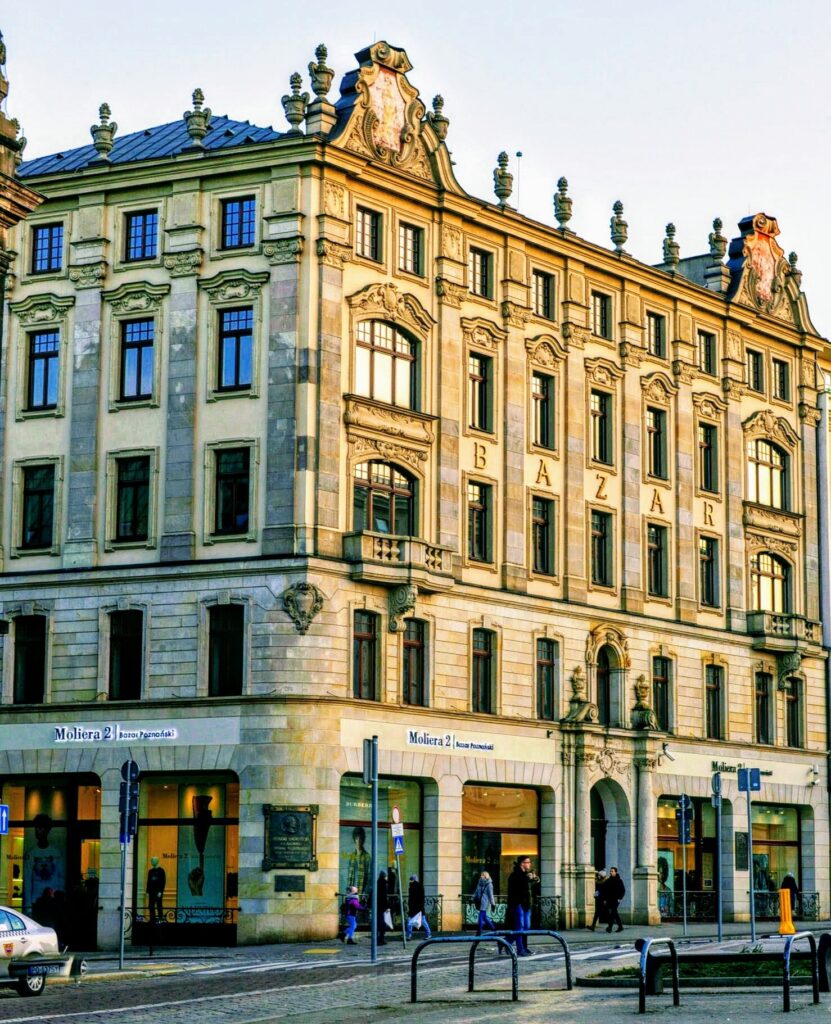
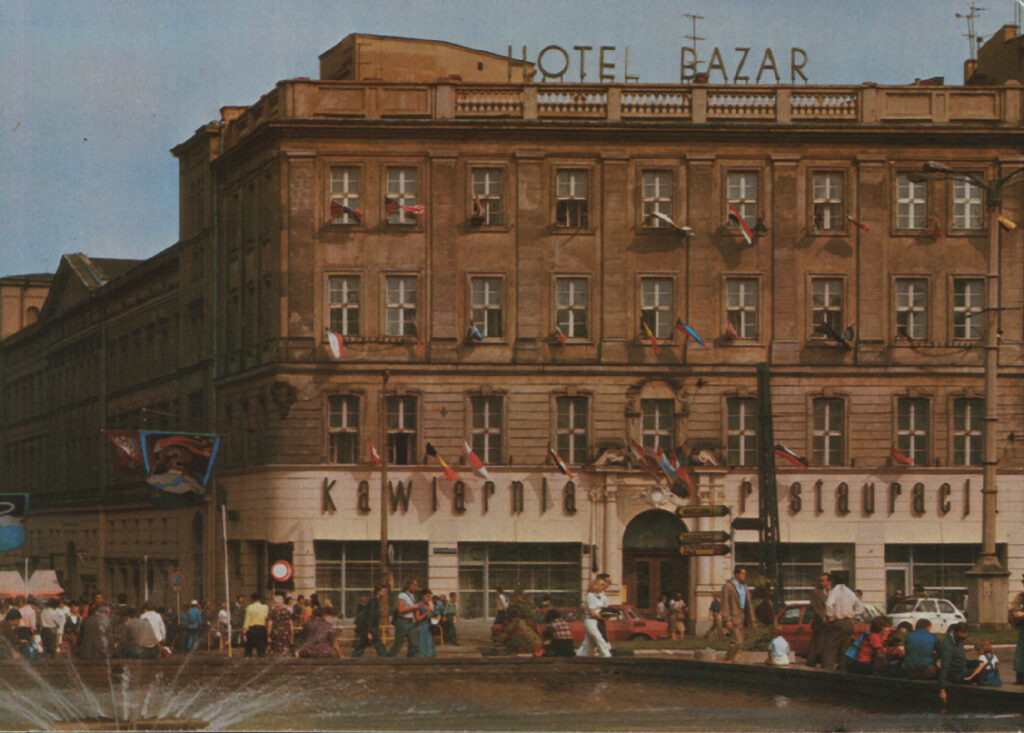
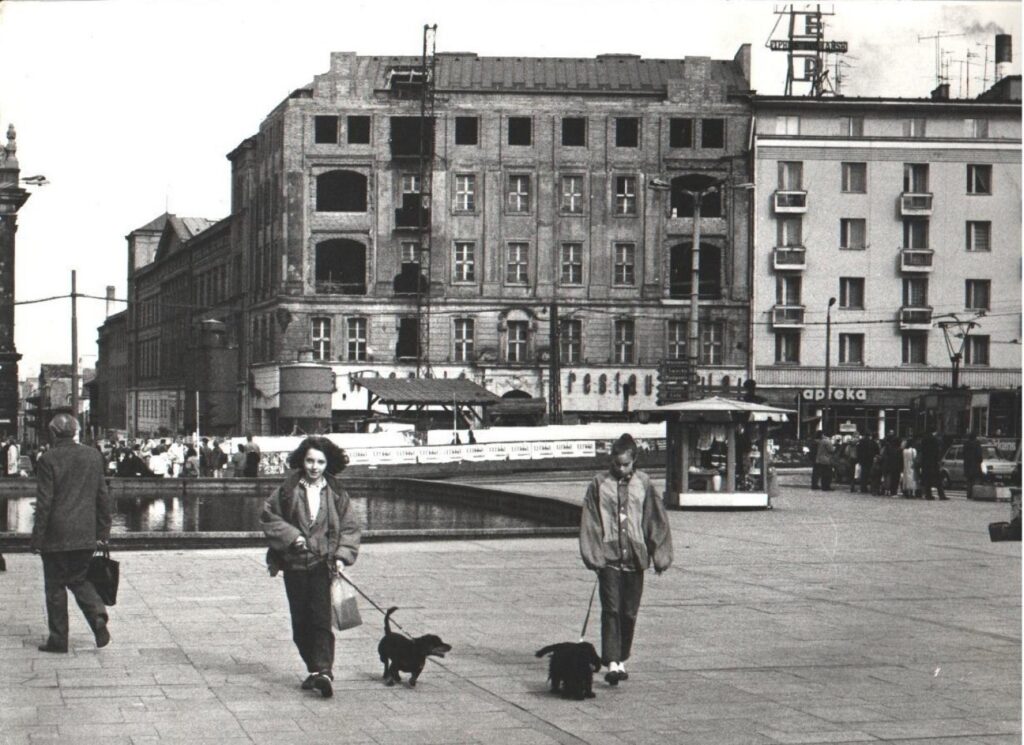
Among the oldest restaurants in Poznań, Bazar 1838 holds a unique position. Located in the historic Bazar Poznański complex on Paderewskiego Street, the restaurant traces its origins to 1838. The entire complex was founded by Karol Marcinkowski, a doctor, social activist, and one of the key figures of Polish civic life under Prussian rule. His idea was to create a space that supported Polish entrepreneurship and culture at a time when national identity was under pressure.
From the very beginning, the restaurant operating within the Bazar was more than a dining room. It was a meeting place for Polish elites, business owners, writers, politicians, and activists, who gathered there to exchange ideas and plan initiatives. Over time, the reputation of the kitchen grew alongside the importance of the building itself. The oldest restaurants in Poznań often developed this dual role: serving food while shaping civic life.
You can take a look at the menu via the link below.
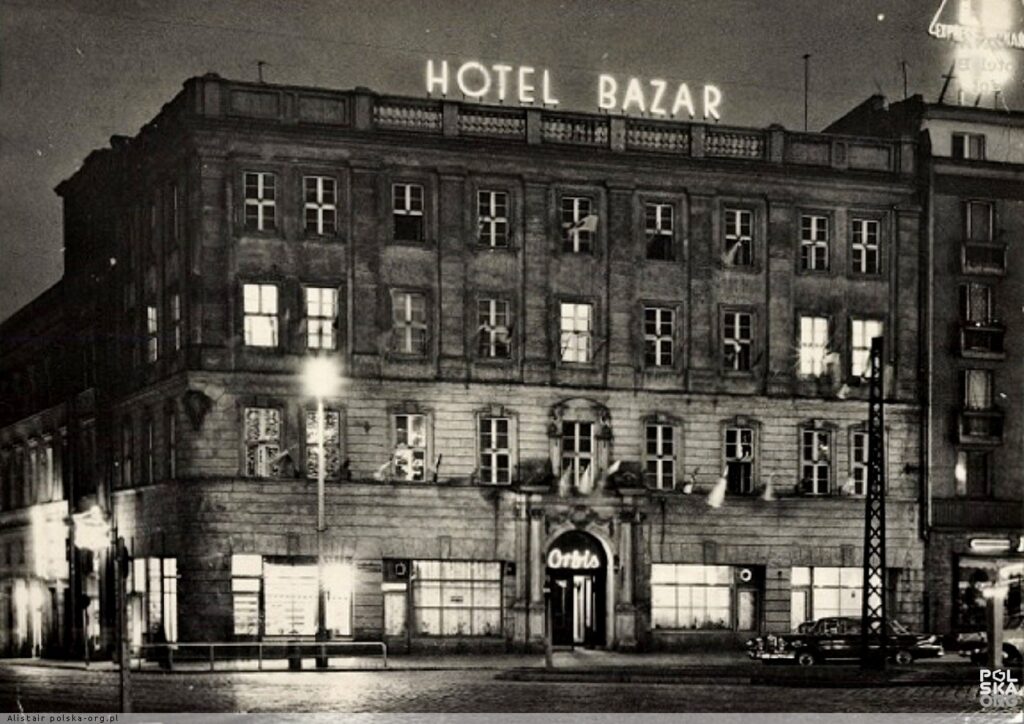
Throughout the nineteenth and early twentieth centuries, the restaurant at the Bazar became synonymous with elegance and high standards. Even after severe wartime damage during World War II, when around 70 percent of the building was destroyed, the complex and its restaurant were rebuilt. This resilience reflects the broader story of Poznań, where historical continuity was repeatedly broken and restored.
Traditional Polish Cuisine with a Modern Approach
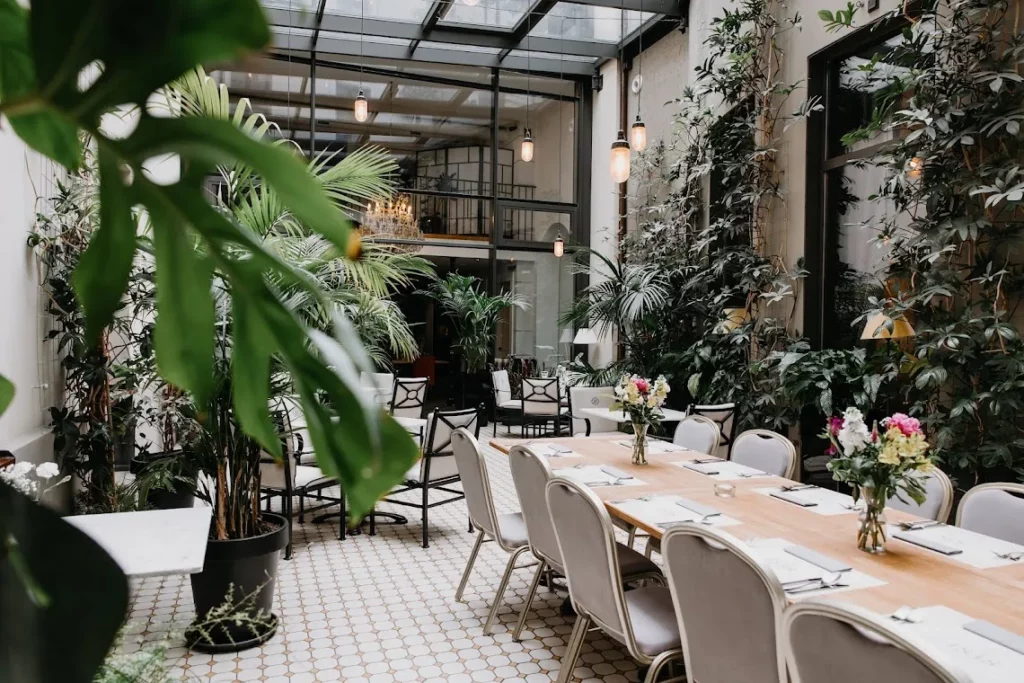
What distinguishes Bazar 1838 among the oldest restaurants in Poznań today is its ability to balance tradition with contemporary expectations. Under the guidance of chef Robert Echaust, the restaurant focuses on classic Polish cuisine presented in a refined, modern form. The menu draws from national culinary heritage without becoming heavy or outdated.
Guests will find dishes such as beef tartare, mushroom soup, pierogi filled with duck, and zander sourced from regional lakes. These are not experimental reinterpretations but carefully updated versions of familiar flavors. This approach reflects a broader trend among the oldest restaurants in Poznań: preserving identity while adapting to modern dining culture.
The restaurant has been recognized by the Gault & Millau guide, confirming that historical pedigree does not come at the expense of quality. Prices remain relatively accessible, especially considering the location and level of service, making Bazar 1838 a place where history feels lived-in rather than exclusive.
Ratuszova
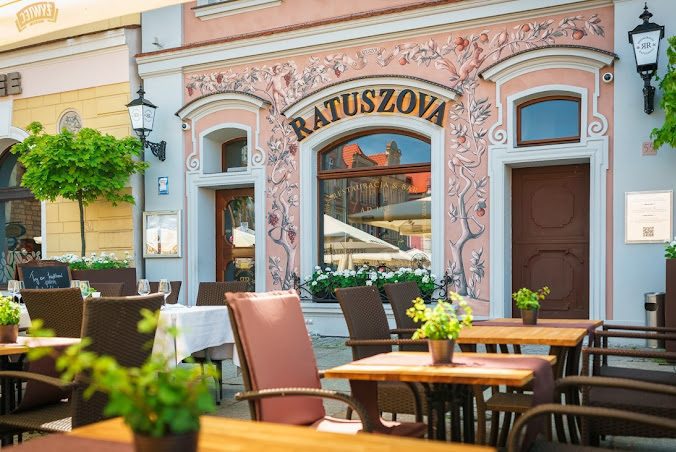
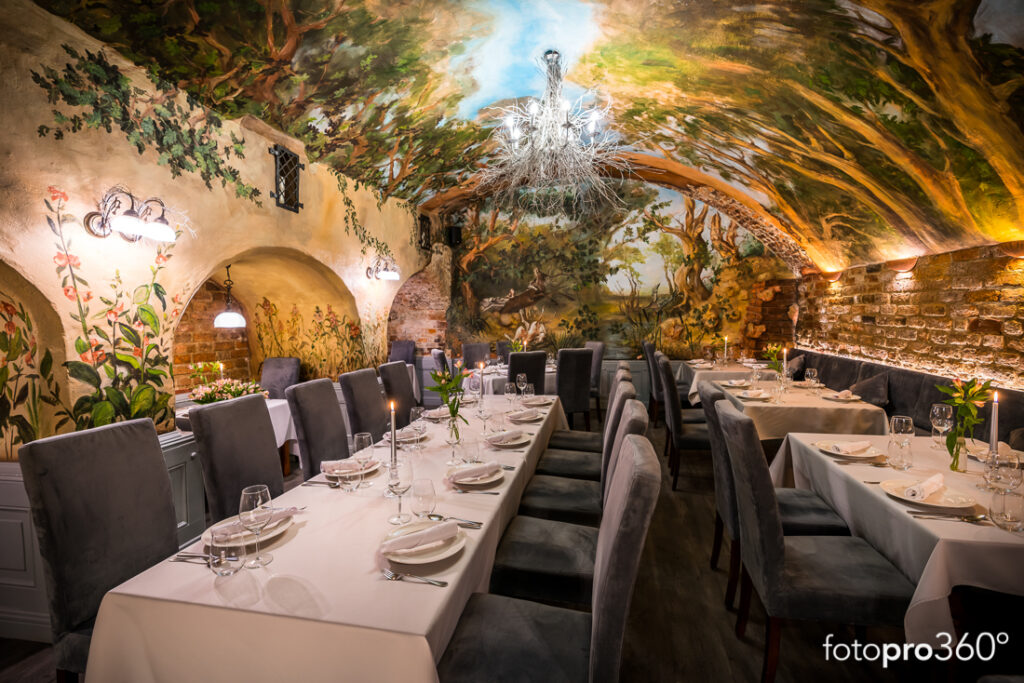
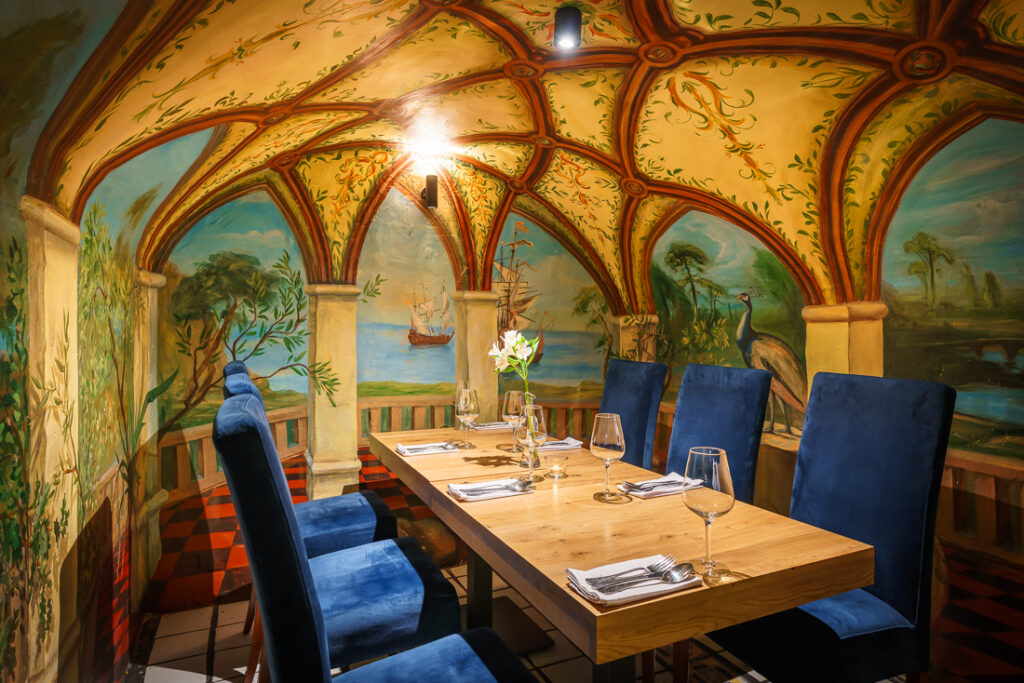
Another essential entry on the list of the oldest restaurants in Poznań is Ratuszova, located in townhouse number 55 on the Old Market Square. While the restaurant itself is a modern operation, the building it occupies tells a story spanning more than seven centuries. The Old Market Square was laid out in 1253, and the parcel divisions established at that time remained largely unchanged until the nineteenth century.
The townhouse at number 55 passed through many hands and survived fires, floods, and wars. Archival records indicate that in 1468 it was owned by Piotr Adam, and in the seventeenth century it belonged to the Pinocci family, originally from Italy. This period marked the building’s most famous moment, when it temporarily hosted Jan Kazimierz, King of Poland.
Royal Visits and Political Conversations at the Old Market Square
The presence of King Jan Kazimierz in this townhouse during the winter of 1657–1658 adds exceptional historical weight to Ratuszova’s location. At the time, Warsaw had been heavily damaged during military conflicts, and Poznań became a temporary center of political life. The king stayed in the Pinocci residence, transforming it into a royal space furnished with tapestries and fine furniture.
According to contemporary reports, including accounts published in the French press, the king met frequently with senators and military leaders there to discuss negotiations with Sweden and the future of the Polish–Lithuanian Commonwealth. Social gatherings, banquets, and carnival celebrations also took place in the house. This blend of politics and social life mirrors the role played by many of the oldest restaurants in Poznań: spaces where public history unfolded alongside everyday pleasures.
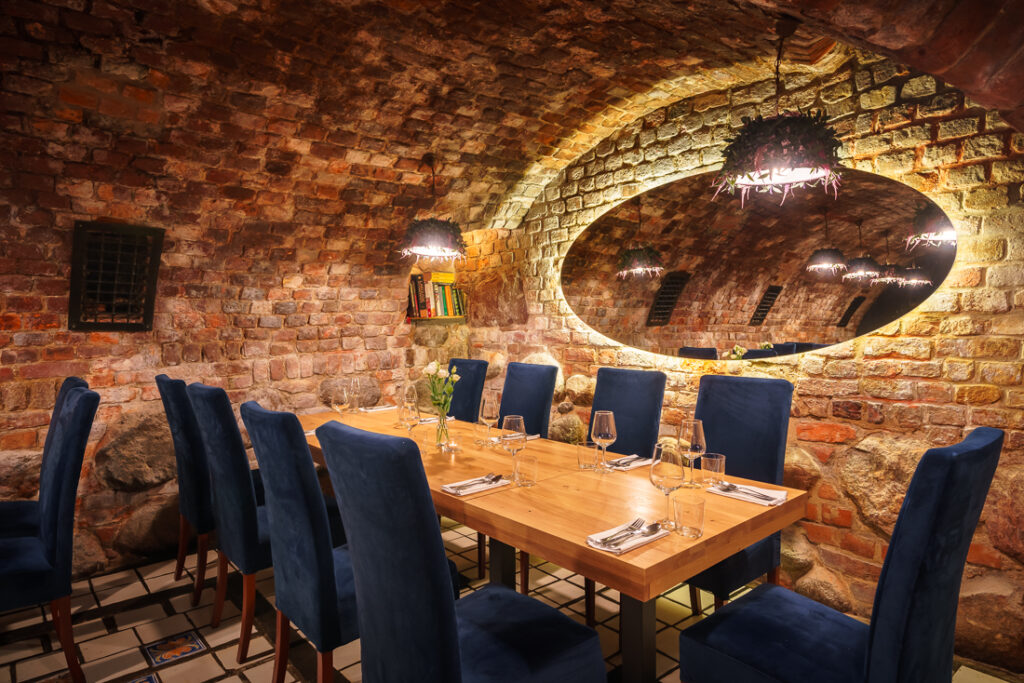
Although the building was destroyed during the Battle of Poznań in 1945, it was reconstructed in the early 1950s. Gothic cellars survived, and the restored structure reflects baroque forms. Today, Ratuszowa continues this legacy by serving traditional Polish cuisine inspired by old recipes.
Find out more about the menu by visiting the link below.
Why the Oldest Restaurants in Poznań Still Matter
The oldest restaurants in Poznań are not frozen in time. They function as living institutions that adapt while respecting their past. Places like Bazar 1838 and Ratuszova show how food, architecture, and history can coexist without turning into spectacle. They are not reenactments but continuations.
For visitors, these restaurants offer a deeper understanding of the city beyond guidebook highlights. For locals, they serve as reminders that Poznań’s identity has been shaped not only by grand events but also by everyday gatherings around a table. Choosing to dine in one of the oldest restaurants in Poznań is a way of participating in that ongoing story.
View this post on InstagramA post shared by RATUSZOVA Restauracja & Apartamenty A.D.1954 (@ratuszova_poznan)
A Taste of History That Still Feels Relevant
Exploring the oldest restaurants in Poznań reveals how closely the city’s culinary scene is tied to its historical experience. From patriotic nineteenth-century meeting places to medieval townhouses once occupied by kings, these restaurants embody continuity in a city shaped by change. They prove that history need not be distant or abstract. It can be tasted, shared, and enjoyed in the present.
Whether you are a visitor curious about local heritage or a resident looking to reconnect with the city’s roots, these places offer something rare: authenticity without nostalgia, tradition without rigidity. In Poznań, history is not only remembered, it is still being served.