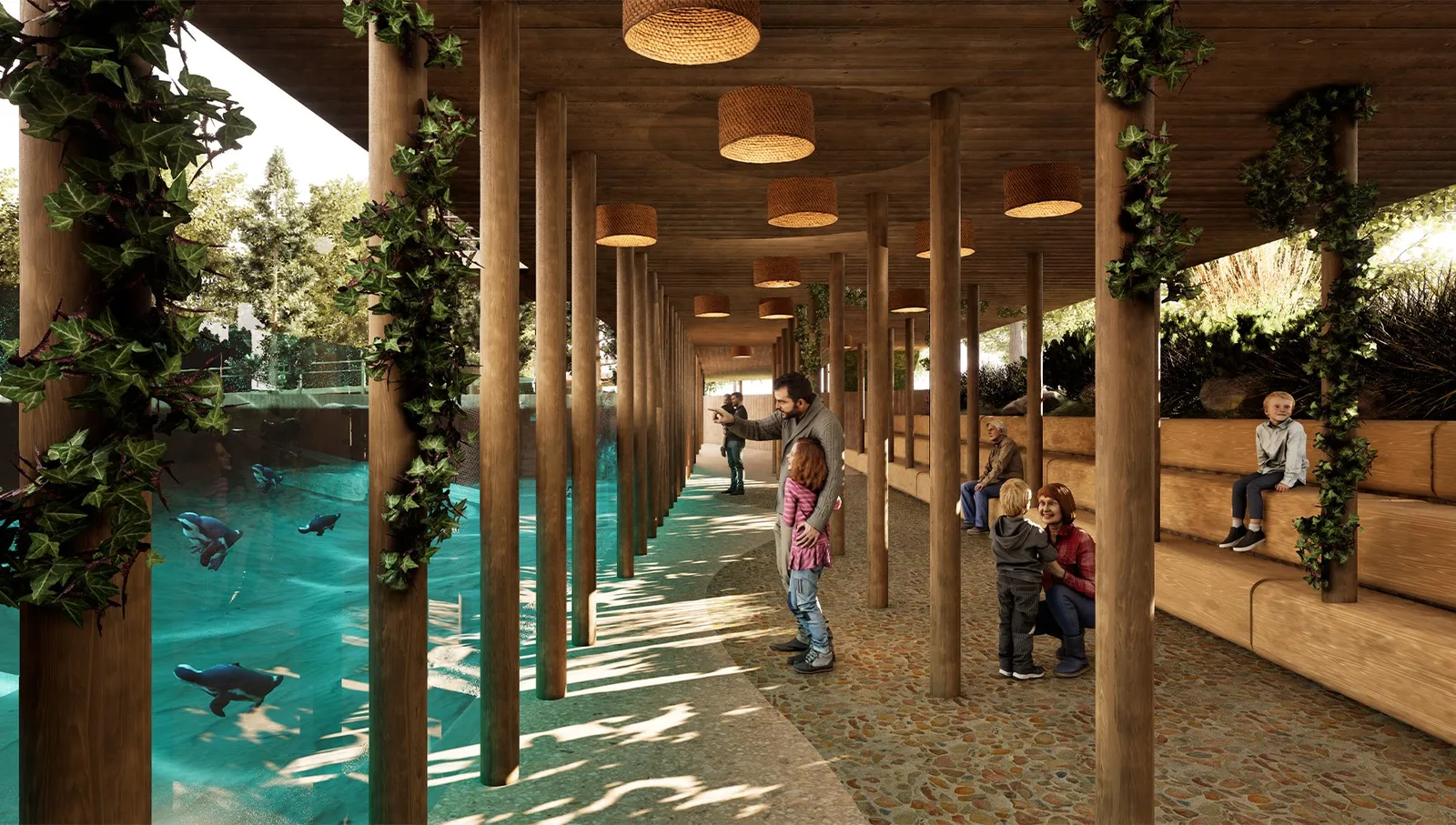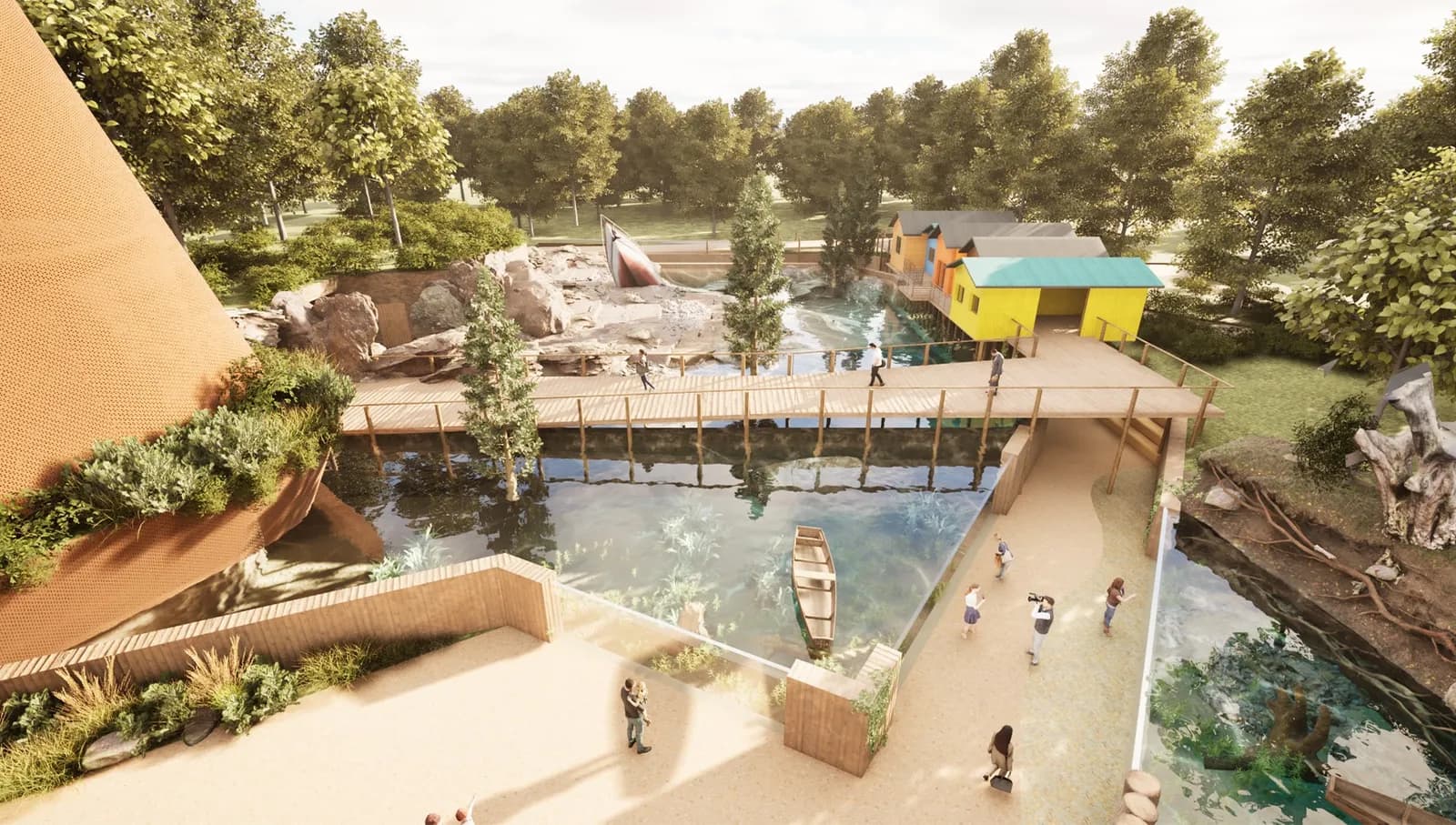
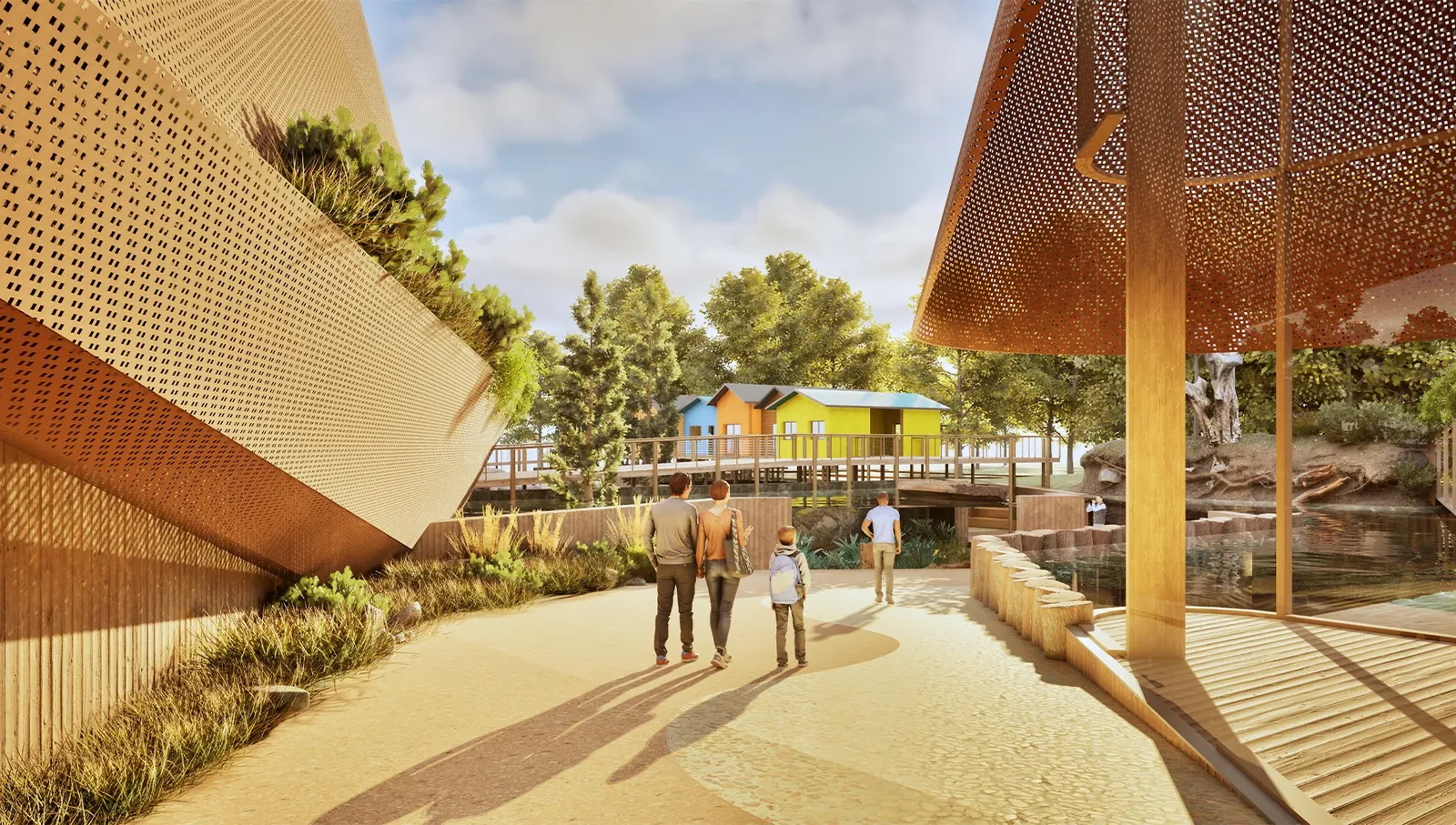
Poznań Zoo is preparing for one of the biggest developments in its history, with plans for a new complex dedicated to Humboldt penguins and aquatic ecosystems. The proposed investment will bring together three sections: a Penguinarium, a Wartarium focusing on the River Warta, and a Bałtykarium exploring the natural environment of the Baltic Sea.
The project is being described as the zoo's largest investment since the construction of its Elephant House, which opened in April 2009. Nearly two decades later, the zoo is preparing for another significant step in the development of its facilities, with conservation and environmental education at the centre of the plans.
Three environments, one new complex
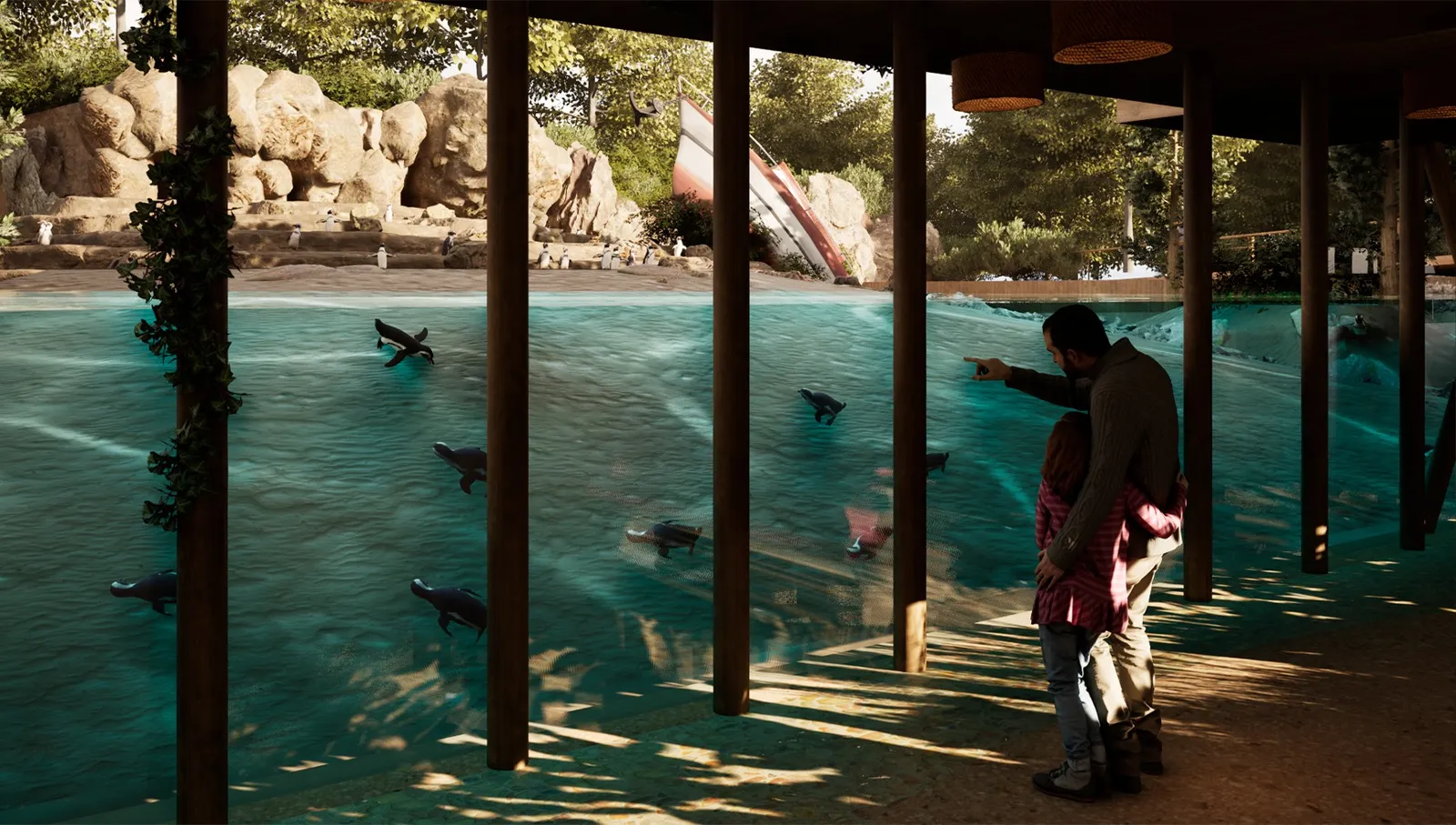
The main attraction will be a purpose-built habitat for Humboldt penguins, featuring a swimming pool, outdoor enclosure and dedicated breeding facilities.
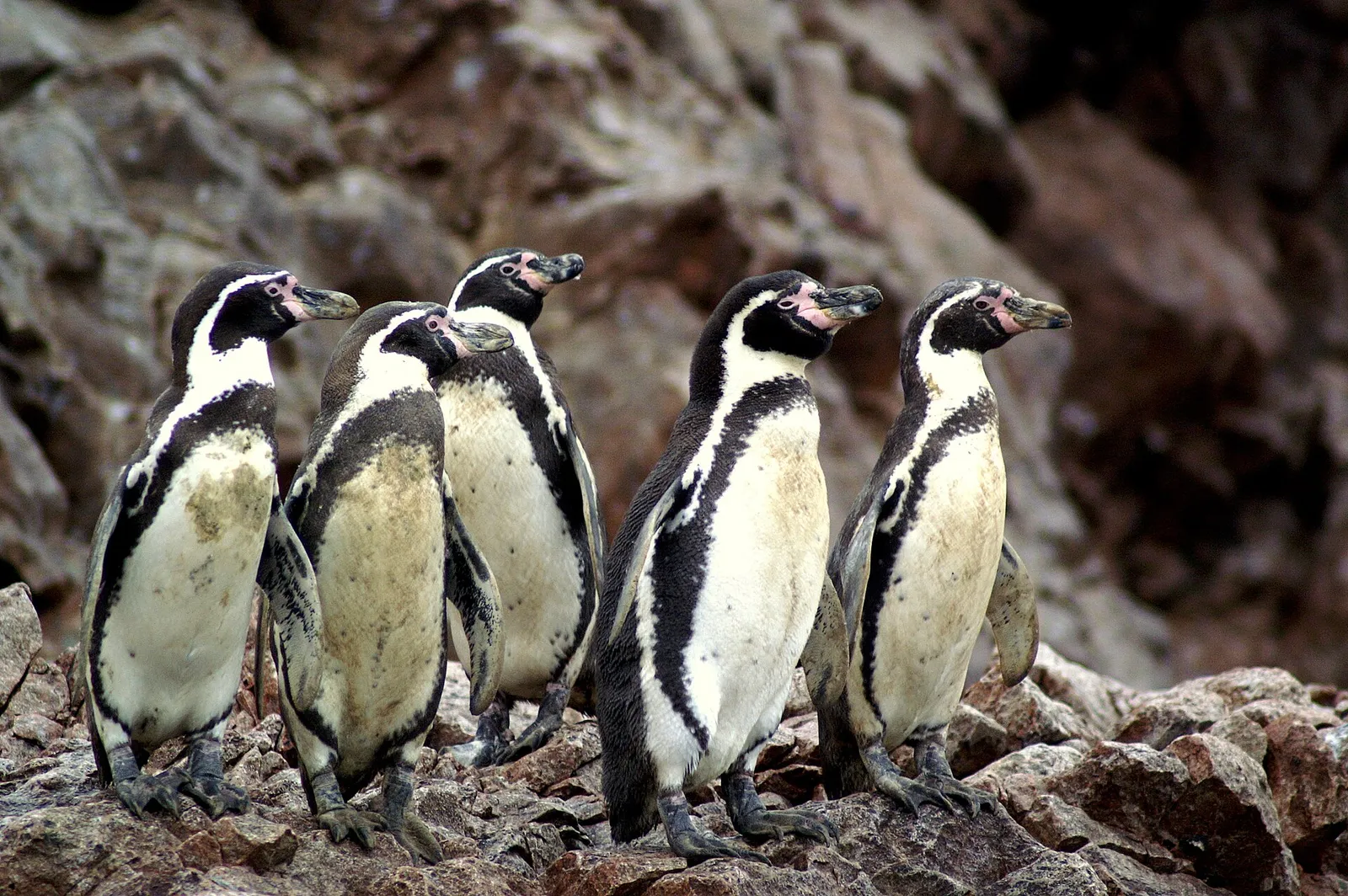
Humboldt penguins are an endangered species, facing significant threats in their natural environment. Their inclusion as the central focus of the development will give visitors an opportunity to learn about the challenges facing these birds and the international conservation efforts working to protect them.
The Penguinarium will form part of a wider educational concept. Alongside it, the planned Wartarium and Bałtykarium will introduce visitors to different aquatic environments, beginning with the local ecosystem of the River Warta and extending to the natural world of the Baltic Sea and the Pacific Ocean.
The intention is to connect these environments through a broader understanding of aquatic ecosystems, demonstrating how rivers, seas and oceans are linked and why protecting them requires attention at every level.
For Poznań, the focus on the Warta also brings the project closer to home. The river is an important part of the city's natural landscape, and its inclusion creates an opportunity to explore local biodiversity alongside marine and ocean environments.
Conservation and education at the heart of the plans
The new complex is intended to combine animal welfare, species conservation and modern environmental education.
The zoo wants visitors to gain a better understanding of the relationship between wildlife and the environments in which animals live, as well as the impact human activity can have on these ecosystems.
Piotr Przyłucki, Director of Poznań Zoo, explained the thinking behind the project:
“Today’s modern zoological garden is much more than a place where animals are displayed. A zoo also has a role to play in protecting endangered species, supporting scientific research, educating people and shaping attitudes towards the natural world.
“I would like the planned complex to be something more than a new tourist attraction. My aim is to create a space that inspires people to discover the natural world and demonstrates that protecting it begins with knowledge, sensitivity and the responsibility each of us has, wherever we happen to be.
“The planned development is intended to present these responsibilities in a way that is accessible and engaging for visitors. Our aim is to show that rivers, seas and oceans are all parts of one great system, and that human beings influence its condition at every stage.”
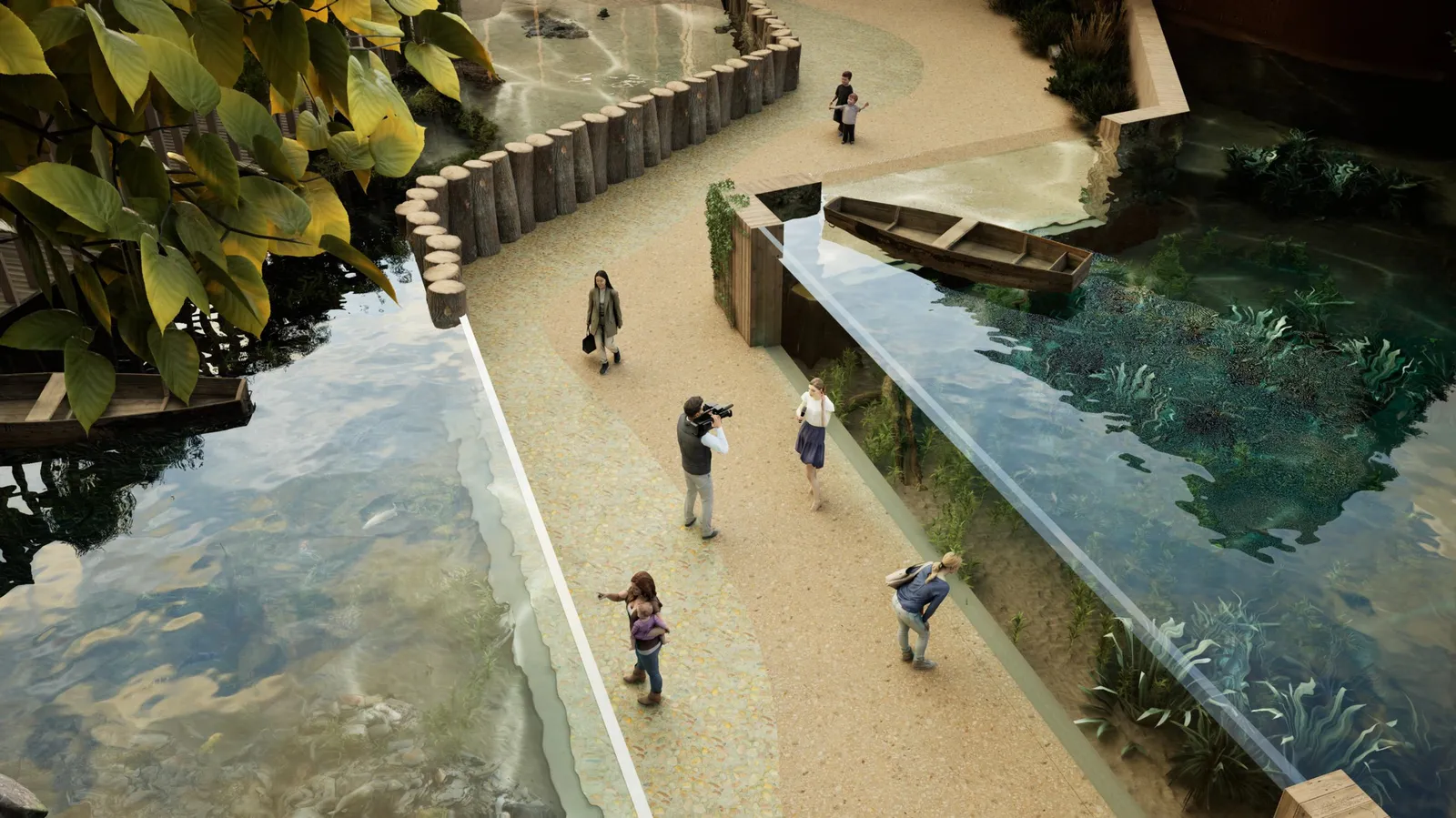
The educational approach is particularly relevant to the Wartarium, which will give the River Warta a place within the wider story of aquatic biodiversity. It will also provide a local point of reference for visitors learning about the environmental pressures affecting water ecosystems.
Design work underway, with completion expected in 2027
The project is currently at the design stage. A contractor has already been selected to prepare the design documentation, with the work being carried out in cooperation with Poznańskie Inwestycje Miejskie (Poznań Municipal Investments).
The design phase is expected to be completed in the first half of 2027. Once the documentation is ready, the zoo will be able to provide more information about the realistic timetable for construction and the subsequent delivery of the complex.
No confirmed construction start date or opening date has yet been announced.
The development represents an important planned addition to Nowe Zoo and continues the longer-term development of the site, following the opening of the Elephant House in 2009.