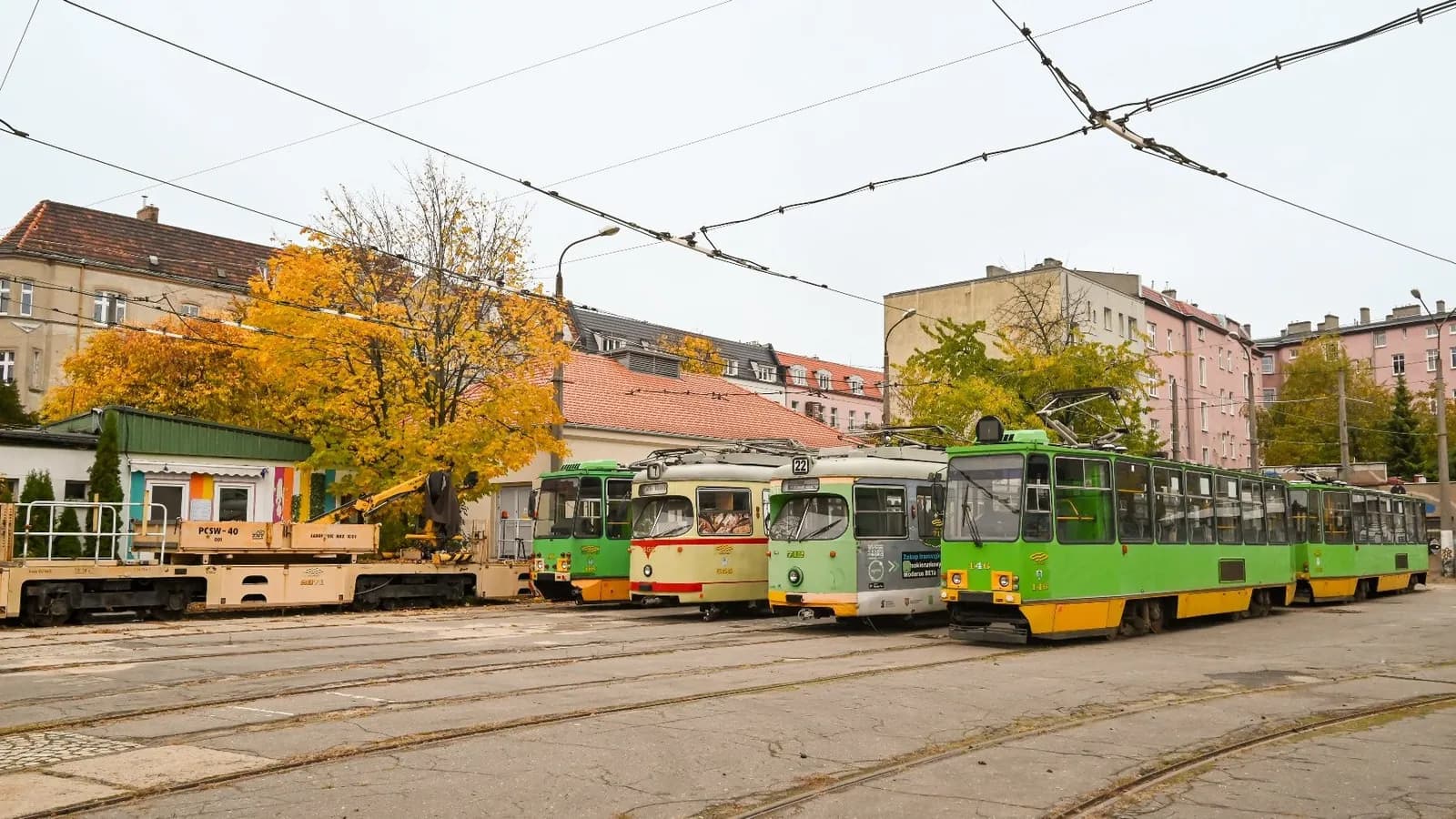
A former tram depot in Poznań’s Wilda district is set to become a year-round destination for local history, cultural events and community activities, following the announcement of a redevelopment tender.
The city-owned Poznańskie Inwestycje Miejskie (Poznań Municipal Investments, PIM) has launched a tender to appoint a contractor to design and carry out the transformation of the historic Madalina depot on ul. Madalińskiego.
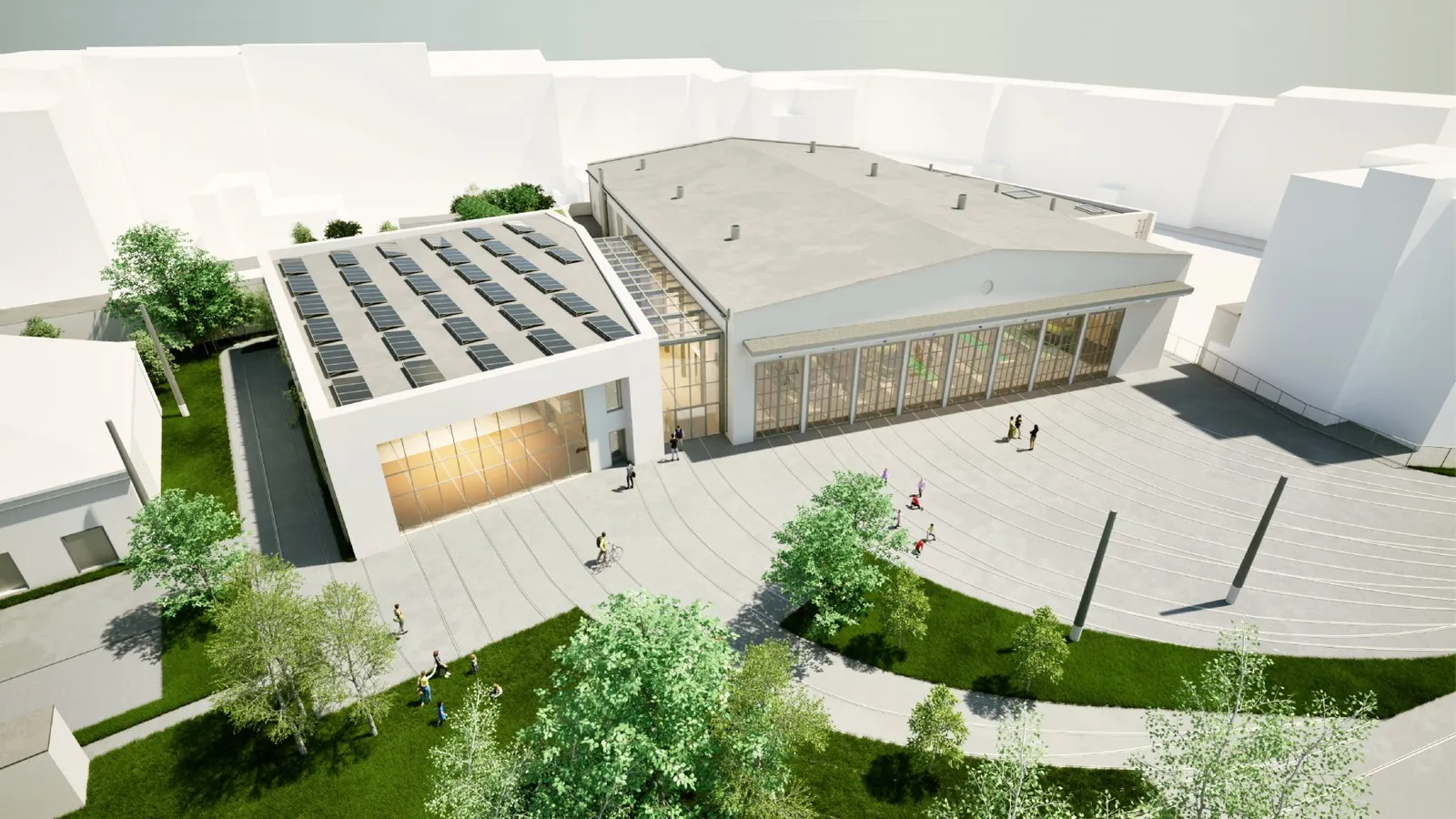
The plans combine a new Centre for Transport History with spaces for exhibitions, neighbourhood gatherings and cultural events. The aim is to retain the site's industrial character while adapting it for everyday use by residents.
“Madalina is an important place for the local community, but also for the history of Poznań’s public transport,”
said Poznań Mayor Jacek Jaśkowiak.
“In its new form, it will continue to be a meeting place and a venue for cultural events, but it will also take on a new role. A Centre for Transport History will be created there, with exhibits, exhibitions and a visitor route.”
From tram depot to community venue
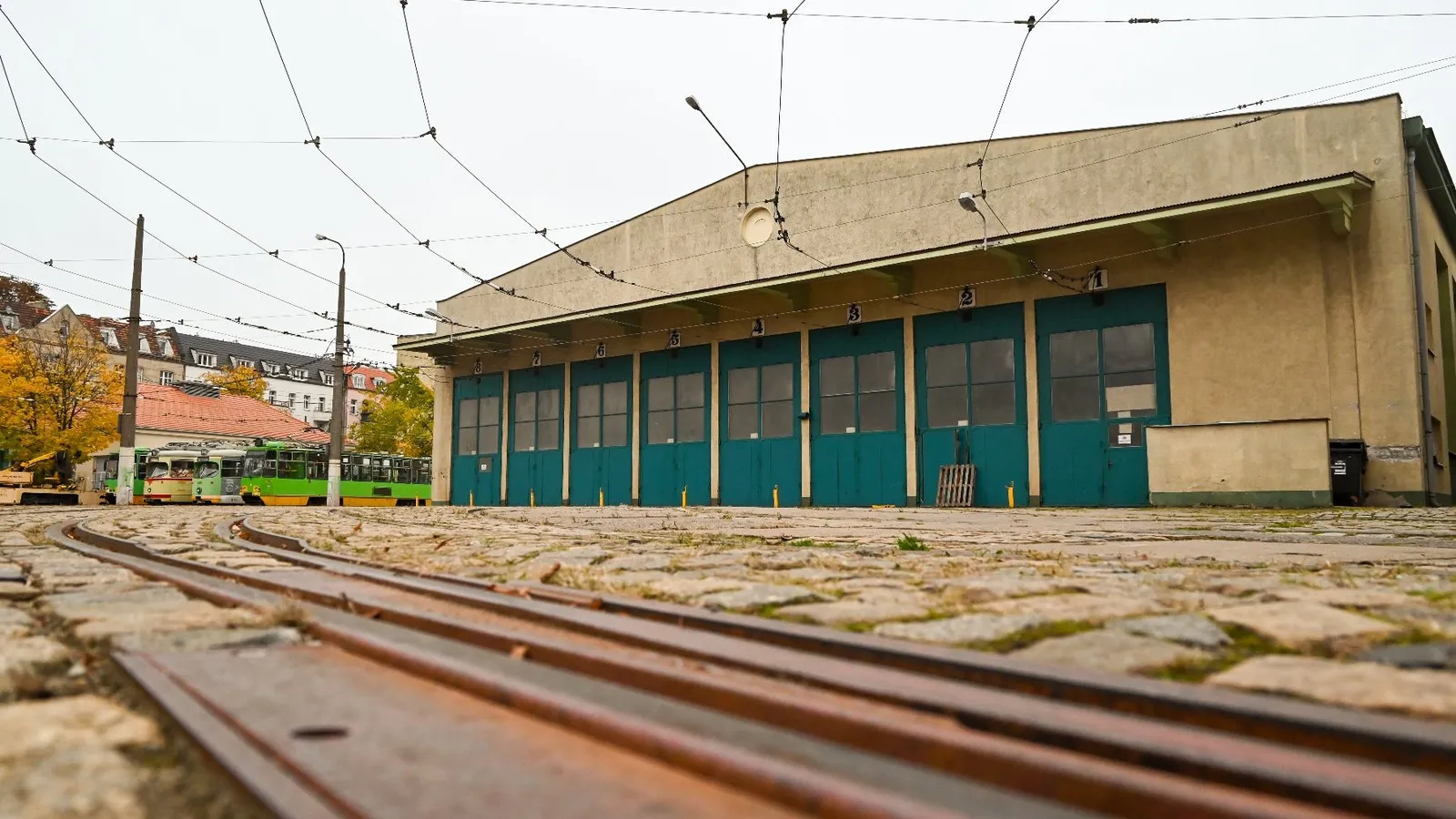
Built in 1948, the depot remained in operation until 2014, when its trams were transferred to the Franowo depot. In recent years, Madalina has continued to serve as a home for historic vehicles and a venue for events bringing local people together.
Its best-known seasonal programme, Lato na Madalinie (Summer at Madalina), has helped establish the site as a gathering place for residents of Wilda.
The redevelopment is intended to build on that community role rather than replace it. The city wants the former depot to host activities throughout the year, including cultural events and neighbourhood meetings that bring different generations together.
The project covers approximately 7,500 square metres. Under the design-and-build tender, the appointed contractor will first prepare the documentation and obtain the necessary permits and approvals, including those from the municipal heritage conservator, before construction begins.
Preserving the depot’s industrial character
The former tram hall and the adjoining social and storage building will be adapted to house the Centre for Transport History, dedicated to Poznań’s public transport heritage.
The plans include exhibition space, a visitor route incorporating a restored inspection pit beside one of the tracks, and a viewing terrace connected to a multimedia room.
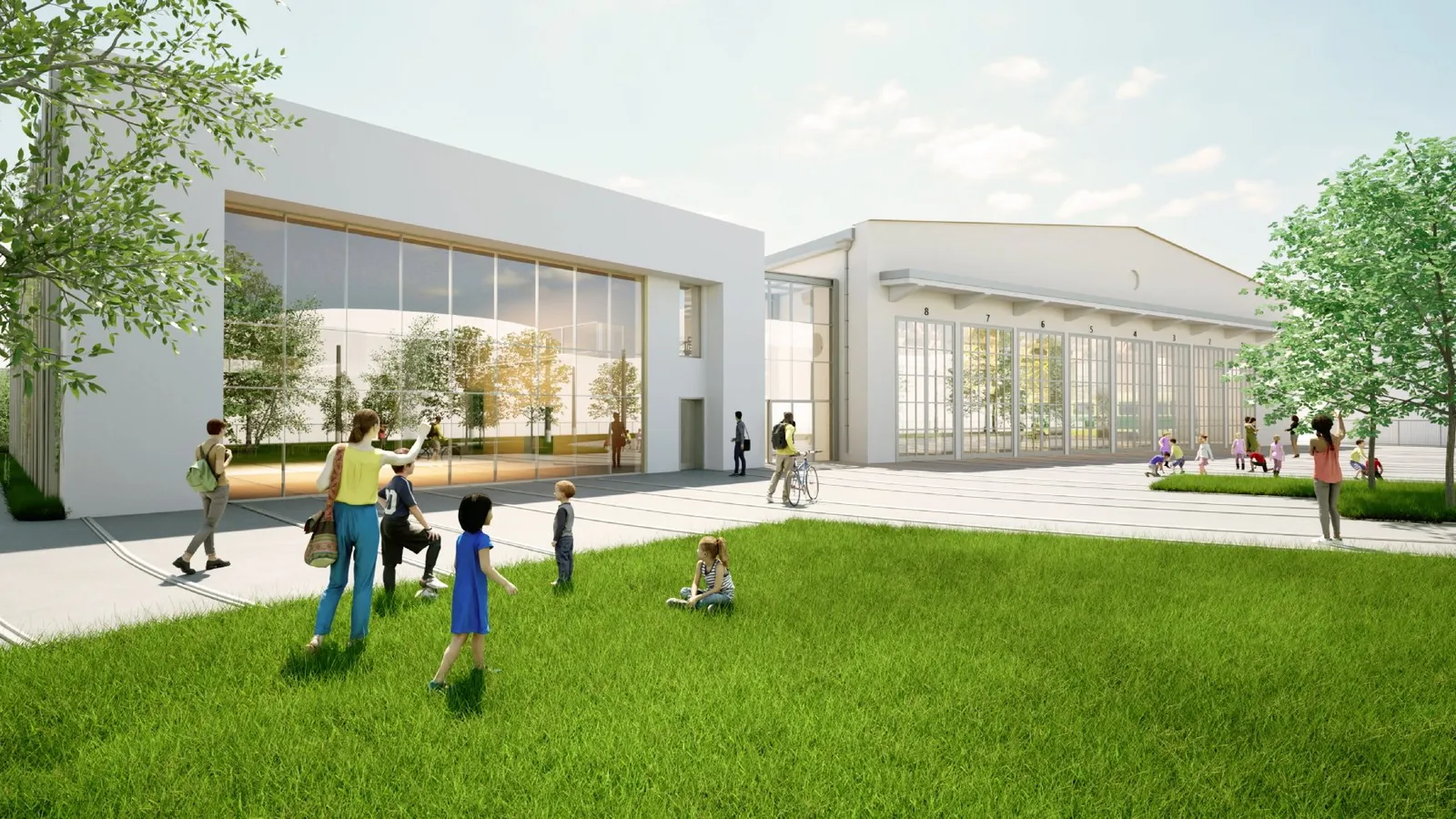
The depot hall’s overall form is to be retained. Work is planned to restore the original arrangement of windows along its side elevations and clean and repair its distinctive timber roof structure.
Parts of the existing internal layout will be removed to make room for the new uses, while a northern extension will provide additional space for cultural and community activities.
The approach reflects the site's dual role as a piece of Poznań's transport history and a building intended to remain useful to the neighbourhood.
New space for events and neighbourhood activities
The planned extension will include a flexible ground-floor hall with retractable seating and a folding façade that can open towards the courtyard. This will allow indoor and outdoor areas to be combined for events when conditions permit.
The building will also include an information point, changing facilities, toilets and storage space. Upstairs, there will be a room for neighbourhood meetings and space for organisations operating in the social economy.
Accessibility is another part of the scheme. The renovated and extended buildings are intended to be free of architectural barriers, with lifts providing access to all floors. The plans also call for the use of renewable energy sources.
Alongside the main buildings, the works will cover underground infrastructure, utility connections and improvements to the surrounding grounds. New paths, street furniture, trees, shrubs and other planting are planned.
Several existing secondary buildings, including the gatehouse and dispatch building, are due to be demolished as part of the project.
A year-round role for Wilda
For Wilda, the redevelopment offers the prospect of a permanent cultural and social venue built around a familiar local landmark. It also creates an opportunity to make Poznań's public transport history accessible to residents, visitors and enthusiasts beyond the city's existing transport heritage community.
The immediate next step is the appointment of a contractor to prepare the design and carry out the works. A construction timetable and completion date have not been specified in the information released so far.
If delivered as planned, Madalina will bring together the history of Poznań's trams and the everyday life of the neighbourhood, giving the former depot a renewed role in the city.
See more: Poznań’s Nowy Rynek C Takes a Different Approach to Heating and Cooling