From megalithic tombs older than the pyramids to pots brimming with ancient gold, the latest archaeological discoveries in Greater Poland are capturing imaginations of people all over Poland. Found near Kościan and Kalisz, these sites reveal a rich past stretching back over 5,000 years—and prove that Greater Poland still holds many secrets underground.
The “Polish Pyramids” in Kościan
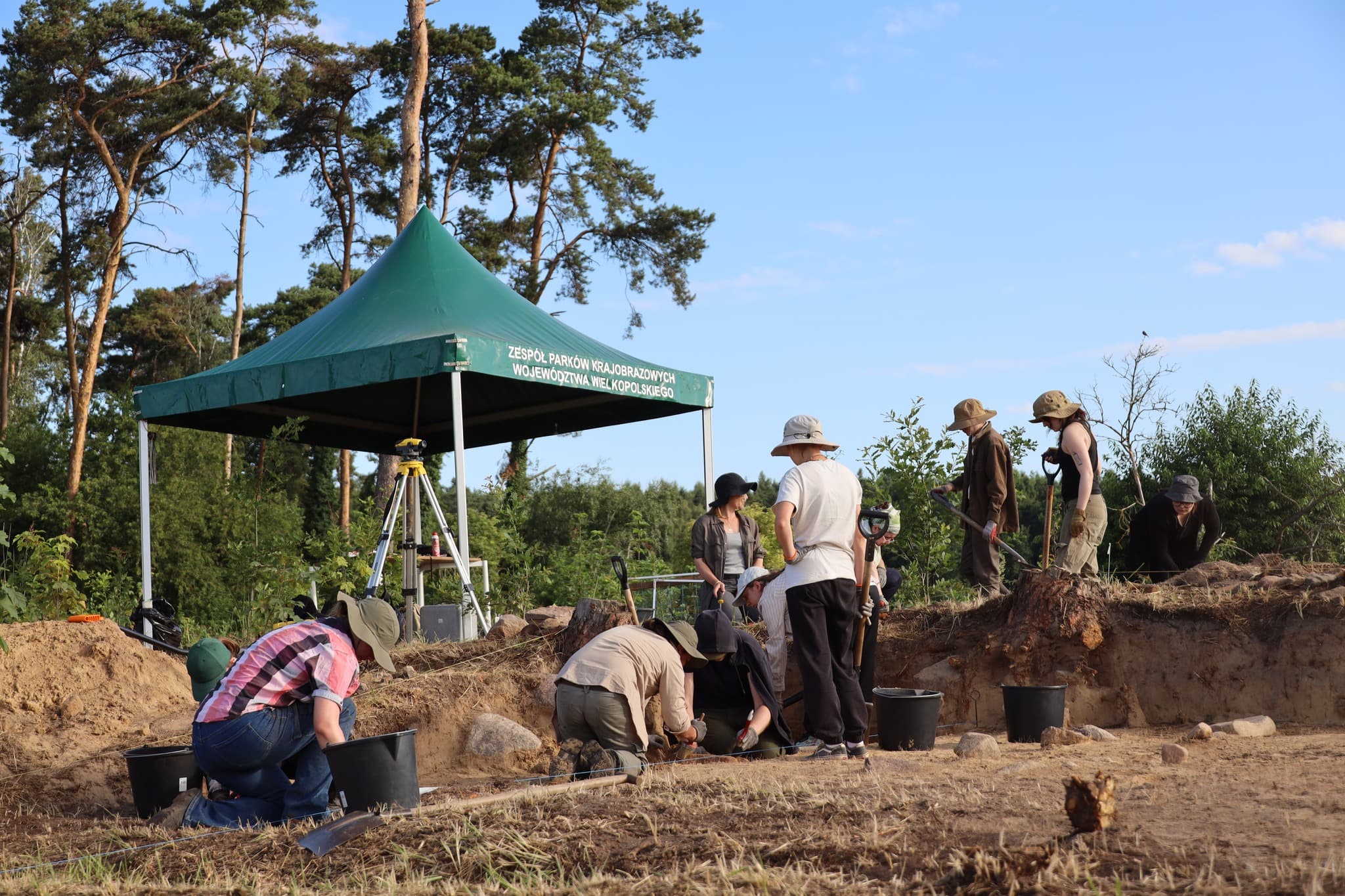
The quiet fields of the Kościan commune have recently become the epicenter of one of the most remarkable archaeological discoveries in Greater Poland. Within the Dezydery Chłapowski Landscape Park, experts from the Greater Poland Landscape Parks Team (ZPKWW) identified mysterious earth mounds using landscape remote sensing. A closer look revealed they were no ordinary formations.
Discover the mysteries of Ostrów Tumski in Poznań!What they found were megalithic tombs, long barrows built approximately 5,500 years ago by the Funnelbeaker culture (kultura pucharów lejkowatych), an early Neolithic farming society. These impressive structures, often dubbed “Polish pyramids” or “giants’ beds,” served not only as burial sites for tribal elites but also as ceremonial spaces tied to prehistoric belief systems.
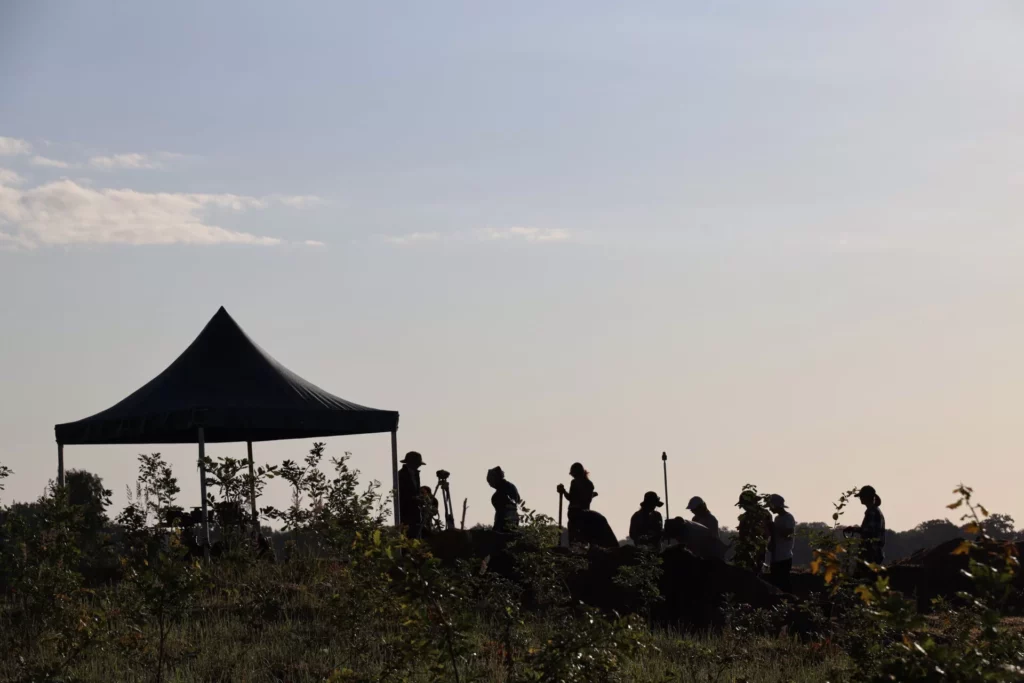
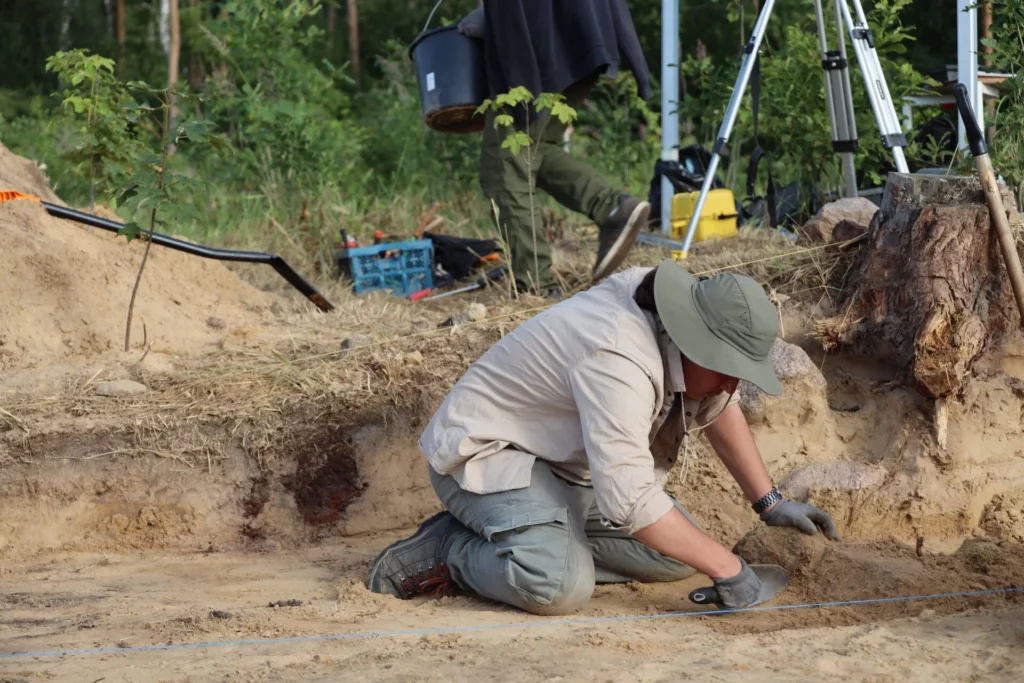
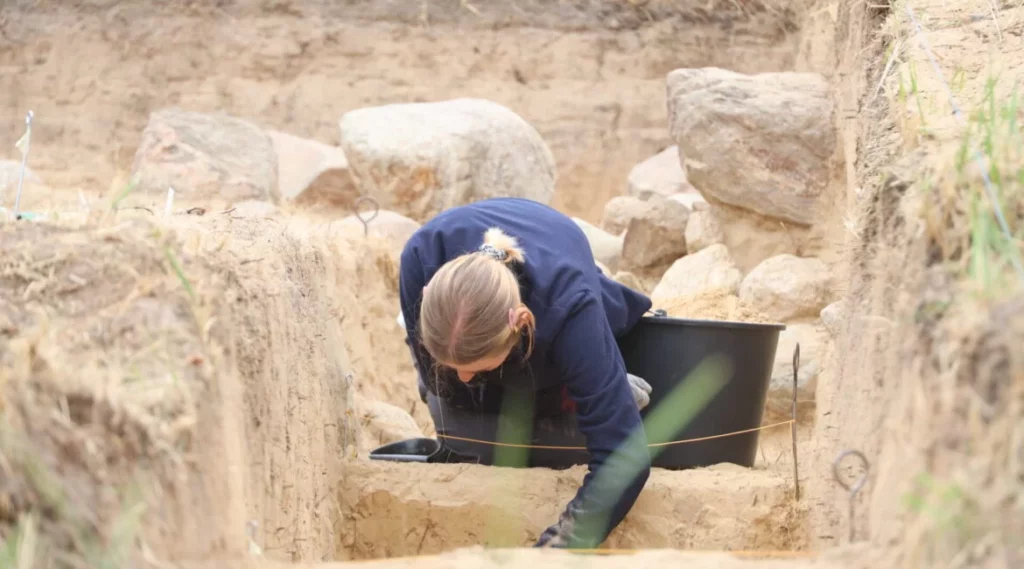
Archaeological verification and partial excavation, conducted during a field research camp by Adam Mickiewicz University in Poznań, confirmed the site’s extraordinary significance. Led by Dr. Danuta Żurkiewicz and Prof. Iwona Sobkowiak-Tabaka, the team uncovered remnants of stone architecture and grave outlines. Although the largest stones that once marked the tombs’ eastern-facing “heads” were long removed or reused, the remaining structure still offers critical insight into Neolithic rituals and architecture.
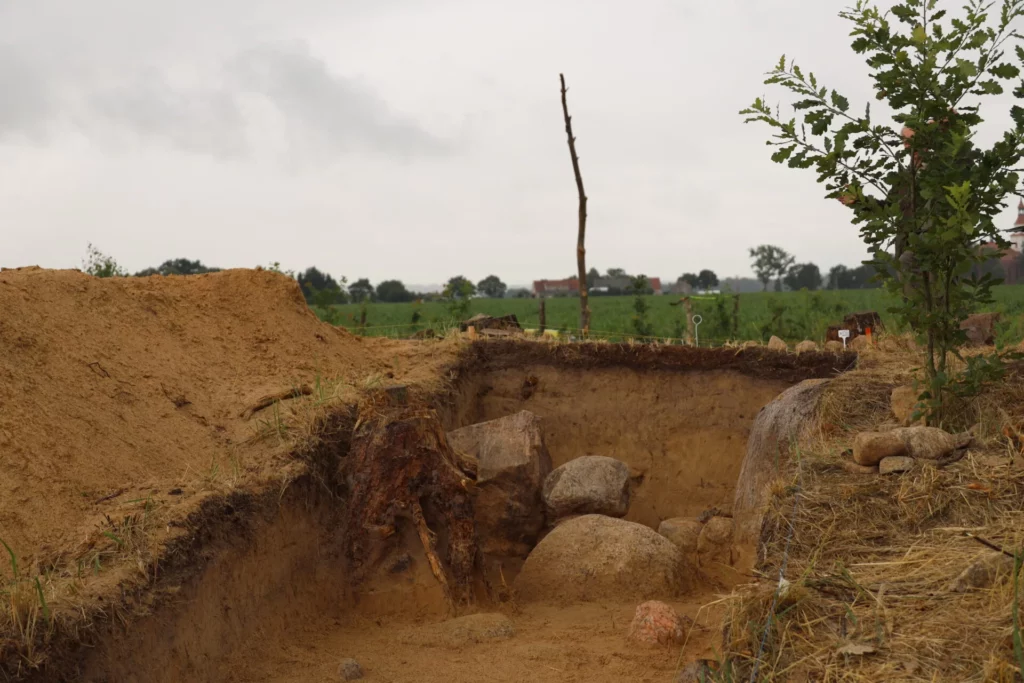
These tombs—ranging from several dozen meters to nearly 200 meters in length—are shaped like elongated triangles. The front was often fortified with massive, upright stones, gradually tapering into a “tail” pointing westward. This orientation likely had spiritual or symbolic meaning, and may even reflect the longhouses used by earlier Neolithic peoples.
Here are our favourite museums of Poznań – don’t miss them!Archaeologist and park specialist Artur Golis explained that although these communities were relatively egalitarian, the individuals buried in megaliths likely held leadership or religious roles, such as shamans or chiefs. Most tombs contained a single body placed on its back, legs extended toward the east, and accompanied by burial goods. These could have included stone tools, axes, flint blades, ceramic vessels, or even rare items like the “poppy-head” flask—suggesting ritual opiate use.
This is only the second such site discovered in Greater Poland, with most similar megaliths previously found in the Kujawy region. As studies continue, the tombs in Kościan could soon become a key point of reference in European Neolithic research.
Buried Gold and Forgotten Warriors: Kalisz’s Treasure Trove
While Kościan has offered insight into prehistory, the area near Kalisz is turning up treasures that are dazzling archaeologists. In early June 2025, members of Denar Kalisz – Association of History Traces Seekers unearthed a Roman-period cemetery in Zbiersk, part of the Grodziec Forest District. Among the graves was that of a warrior, buried with a spearhead and umbo—a metal shield boss used in close combat.
Follow in king’s footsteps: experience the history of Poland!Yet this find was only the beginning of an extraordinary streak of archaeological discoveries in Greater Poland.
Over the next five weeks, Denar Kalisz discovered not one, but three ancient treasure hoards—all buried in clay vessels. The third, uncovered on July 12, shocked even seasoned enthusiasts. From its broken edge protruded a massive gold bracelet, likely from the Roman era. Weighing over 2.5 kilograms, the pot may contain additional jewelry, coins, or even cremated remains.
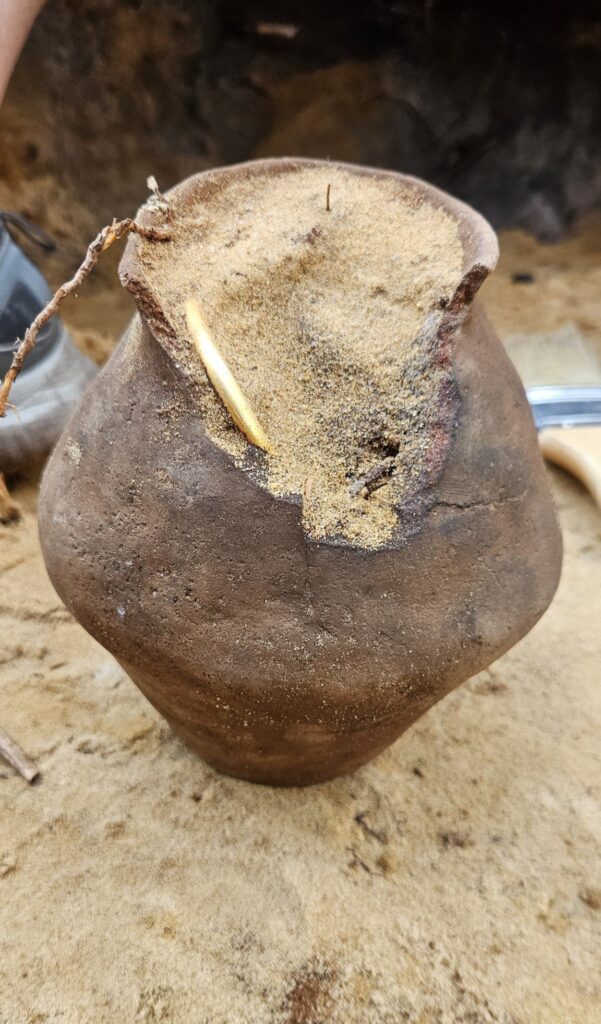
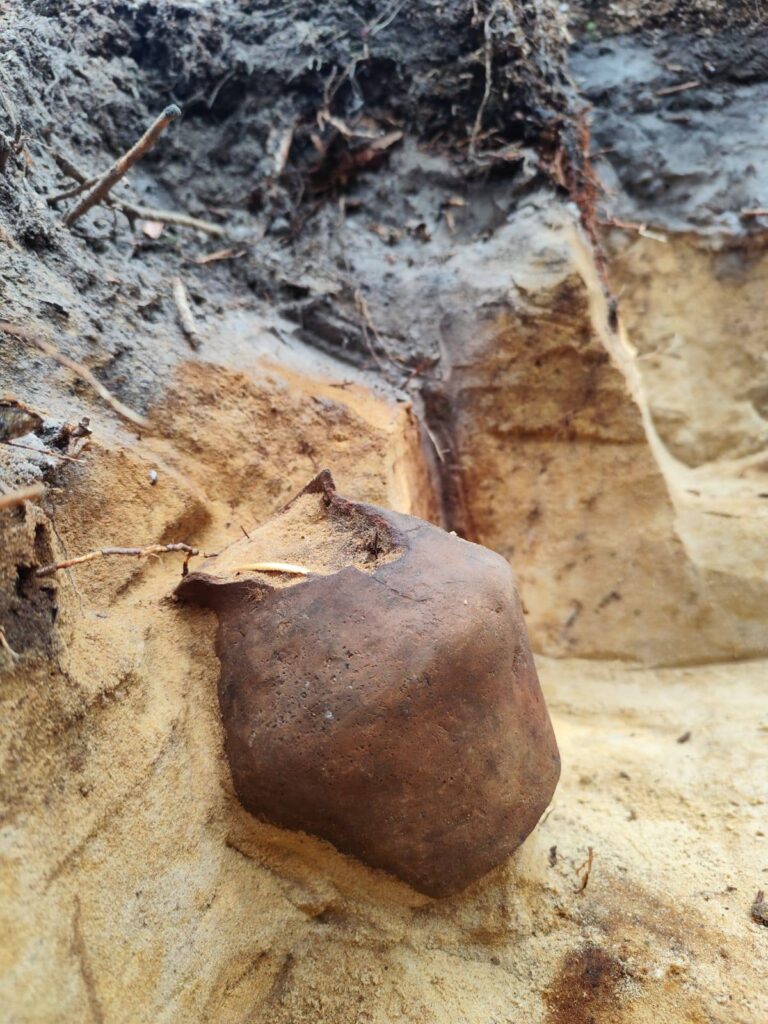
President of Denar Kalisz, Przemysław Kurowiak, described the find as “a once-in-a-decade archaeological sensation.” The discovery was made using an XP Deus 2 metal detector, and all pots were recovered in situ—meaning they remained in the exact place and condition in which they were buried, allowing for proper archaeological documentation and study.
The earlier treasure hoards, uncovered on June 28 and July 7, are believed to date to the early medieval period, around the time of the first Piast rulers. Among the items were silver coins, including Polish denarii from the reign of Mieszko I—rare artifacts never before found in the Kalisz area.
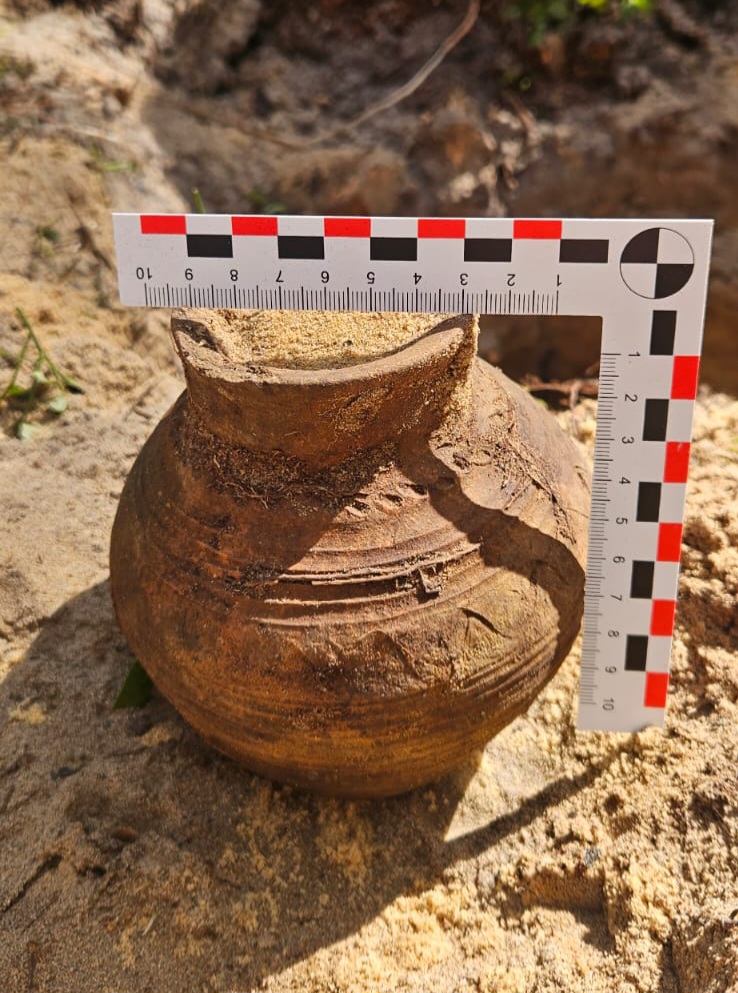
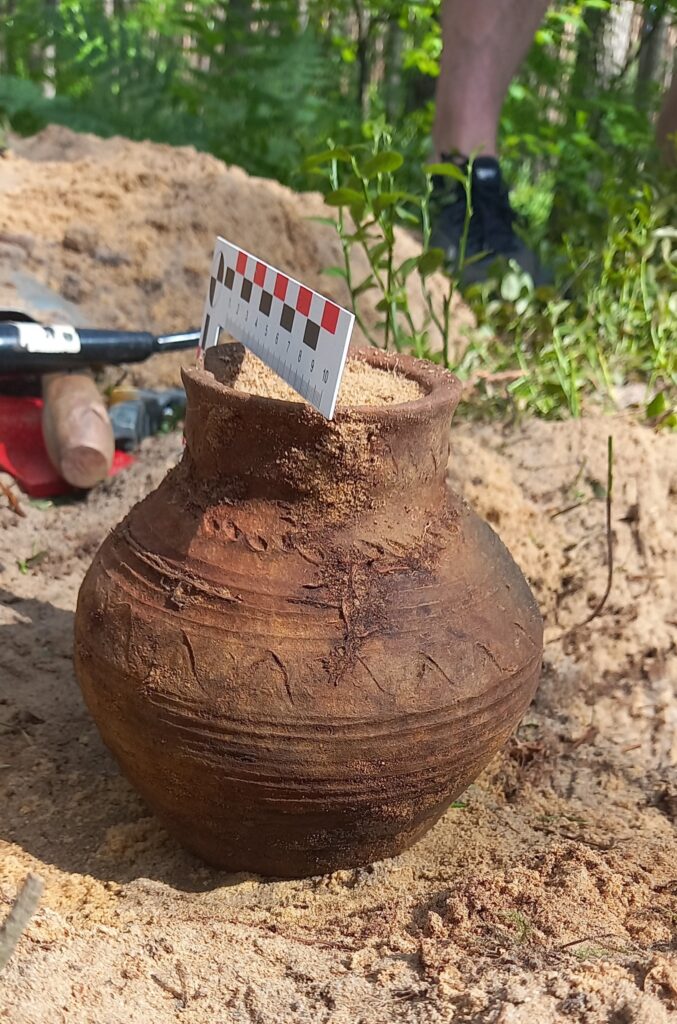
What sets these archaeological discoveries in Greater Poland apart is their state of preservation. Unlike most treasure finds, which are often scattered or damaged during modern construction or agricultural work, all three vessels remained intact and buried just 20 centimeters beneath the surface.
Kurowiak notes that even in well-known archaeological hotspots like Egypt, such a succession of intact treasure finds is virtually unheard of:
It’s historic. And it’s all happening here, in the forests and fields of Greater Poland.
Exciting Archaeological Discoveries in Greater Poland
Together, the finds in Kościan and Kalisz confirm that Greater Poland was not only a hub of early agriculture and settlement but also a culturally rich area that played an important role during both prehistoric and Roman-influenced periods.
This live show will take you through 1000 years of Polish history!The Kościan megaliths remind us of the region’s spiritual and social complexity during the Neolithic, while the gold hoards and warrior graves near Kalisz transport us to the Roman and early medieval periods—eras of conflict, wealth, and evolving identities.
As excavation teams wrap up their work, we hope that some of these sites may one day be made accessible to the public. Until then, Greater Poland’s soil remains a silent witness to thousands of years of untold stories—and this summer’s finds are proof that many are still waiting to be uncovered!