Where the Stars Fell to Earth…
When people think of Poznań’s green spaces, places such as Park Cytadela, Malta Lake or the Botanical Garden often come to mind. Yet tucked away on the northern edge of the city lies one of its most extraordinary natural attractions, where peaceful woodland hides a story that began thousands of years ago.
The Morasko Meteorite Nature Reserve (Rezerwat Przyrody Meteoryt Morasko) is unlike anywhere else in Poland. Here, visitors can walk through ancient woodland while standing beside genuine meteorite impact craters created around 5,000 years ago. It is a place where geology, astronomy, wildlife and local history come together, making it one of Poznań’s most pleasant destinations to explore beyond the city centre.
A Journey Into Poznań’s Ancient Landscape
Established as a protected nature reserve in 1976, Morasko covers around 55 hectares of woodland in the city’s northern district. Hidden beneath the tree canopy are seven confirmed meteorite impact craters, formed when a large iron meteorite broke apart before crashing into the Earth about 5000 years ago.
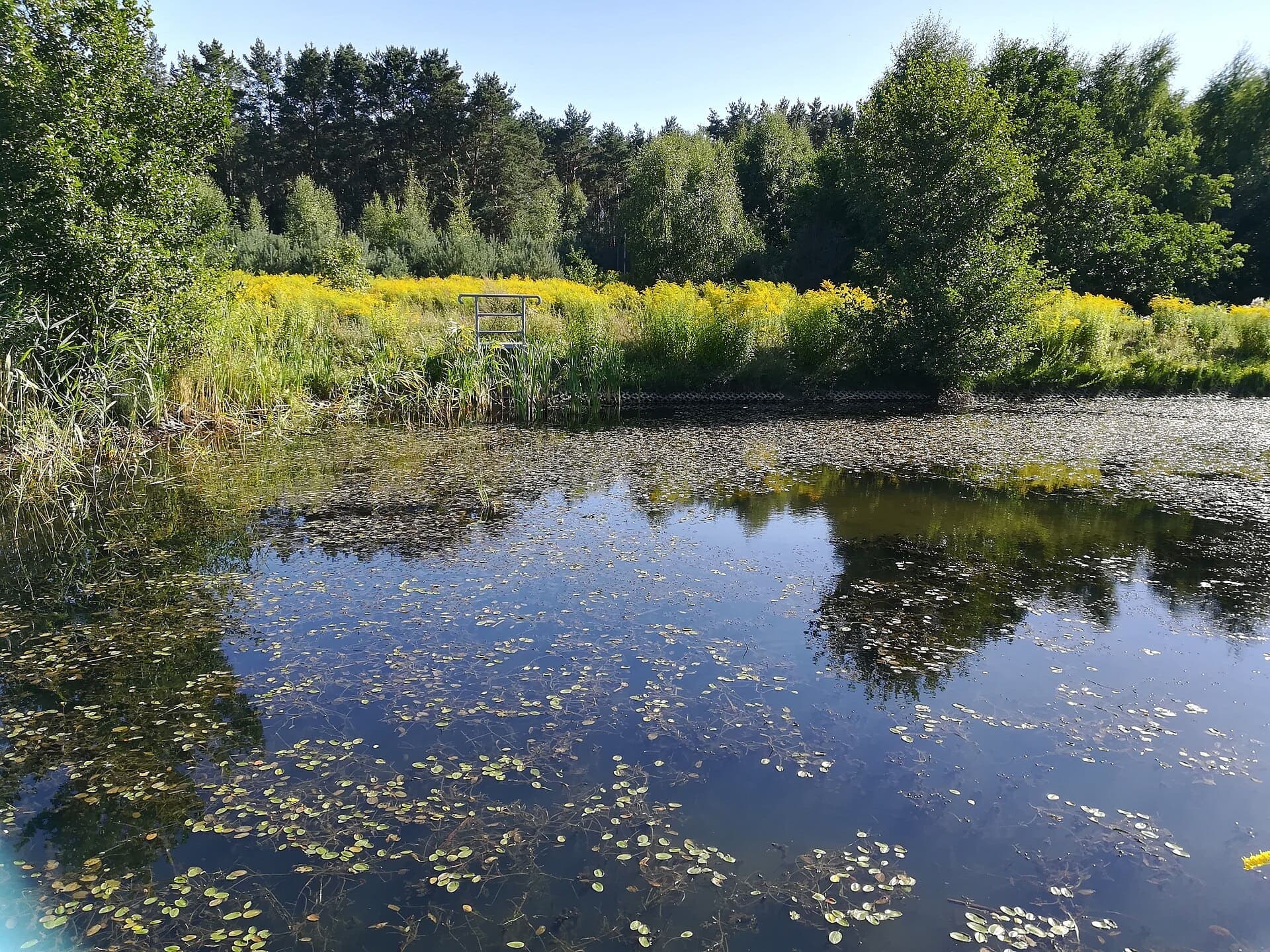
Rather than creating one enormous crater, the meteorite fragmented high in the atmosphere. Each piece struck the soft glacial ground, leaving a series of circular holes that remain visible today. Several have become ponds, while others are surrounded by mature forest that changes beautifully with the seasons.
Despite their dramatic origins, the craters now feel remarkably peaceful. Birds sing overhead, woodland paths wind between ancient trees and the only reminder of the site’s violent past is the gentle shape of the landscape itself.
One of Europe’s Most Unusual Natural Attractions
Morasko is recognised internationally because it is one of the best-preserved meteorite crater fields in Europe.
Scientists have spent more than a century studying the reserve, particularly after the first meteorite fragment was discovered in 1914 during military earthworks. Since then, numerous iron meteorites have been recovered from the surrounding area, helping researchers understand both the impact event and the composition of the original meteorite.
Although Morasko is a peaceful woodland today, scientists are still uncovering clues hidden beneath the forest floor. Their research is helping to explain exactly how the meteorite created the craters thousands of years ago, ensuring the reserve remains both a popular destination for visitors and an important site for ongoing scientific discovery.
A Woodland Walk With a Difference
For visitors, Morasko offers something refreshingly different from many traditional city parks.
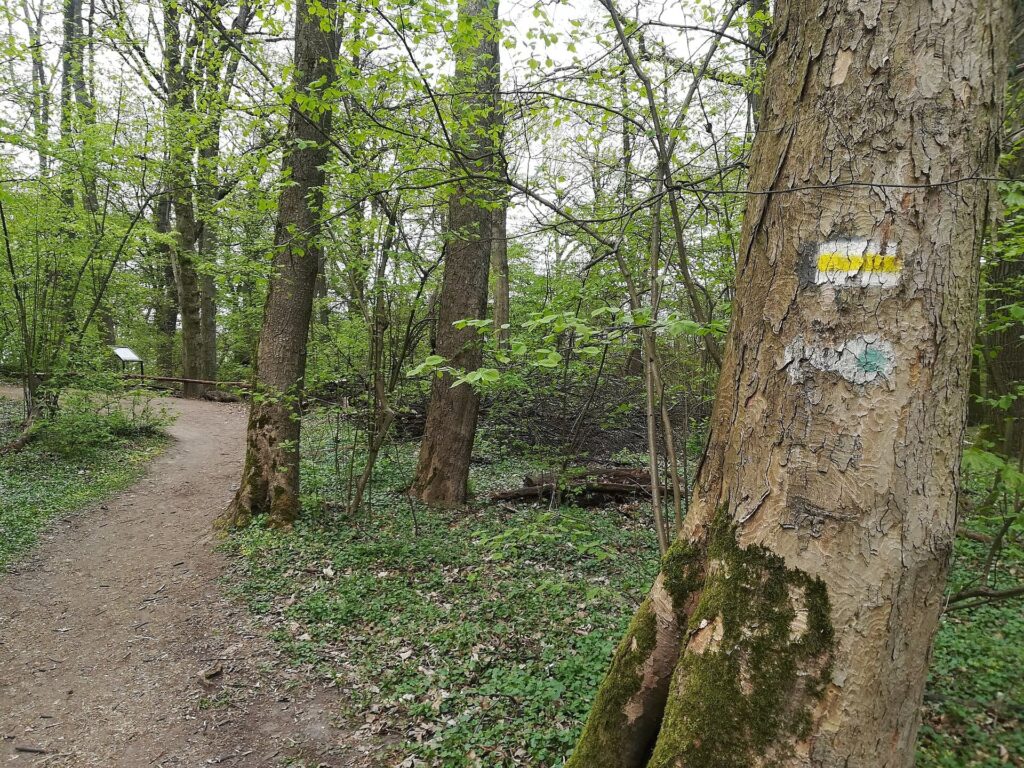
Well-marked forest paths lead visitors between the various craters, allowing plenty of opportunities to enjoy nature while discovering one of Poznań’s hidden stories. Depending on the season, the crater ponds reflect autumn colours, freeze during winter or become vibrant habitats for amphibians and insects in spring and summer.
The reserve is also home to oak and hornbeam woodland, wetlands and a wide variety of wildlife, making it equally rewarding for walkers, photographers and birdwatchers.
Unlike many geological attractions that require specialist knowledge to appreciate, Morasko invites visitors simply to slow down and enjoy the surroundings. Information boards along the trails explain the site’s history, while the forest itself provides a welcome escape from the pace of city life.
Planning Your Visit
The reserve is free to enter throughout the year and is easily accessible from northern Poznań by car, bicycle or public transport.
To make the most of your visit:
- Wear comfortable walking shoes, especially after wet weather.
- Stay on the marked paths to help protect the reserve.
- Allow around one to two hours to explore the main trails.
- Visit during autumn for colourful woodland scenery or spring when wildlife is particularly active.
- Bring binoculars if you enjoy birdwatching.
Many visitors combine Morasko with nearby cycling routes or a walk to Moraska Góra, the highest natural point in Poznań.
A Green Space Unlike Any Other
Poznań is fortunate to have an abundance of parks, lakes and forests, but few places offer such a unique combination of natural beauty and scientific importance.
Whether you are interested in astronomy, geology, photography or simply looking for a peaceful woodland walk, the Morasko Meteorite Nature Reserve is well worth adding to your list. It is a reminder that some of the city’s greatest treasures are not always found in its historic streets, but hidden quietly among the trees, where an event from thousands of years ago continues to shape the landscape we enjoy today.
Source Discover more green spaces to enjoy around Poznań!