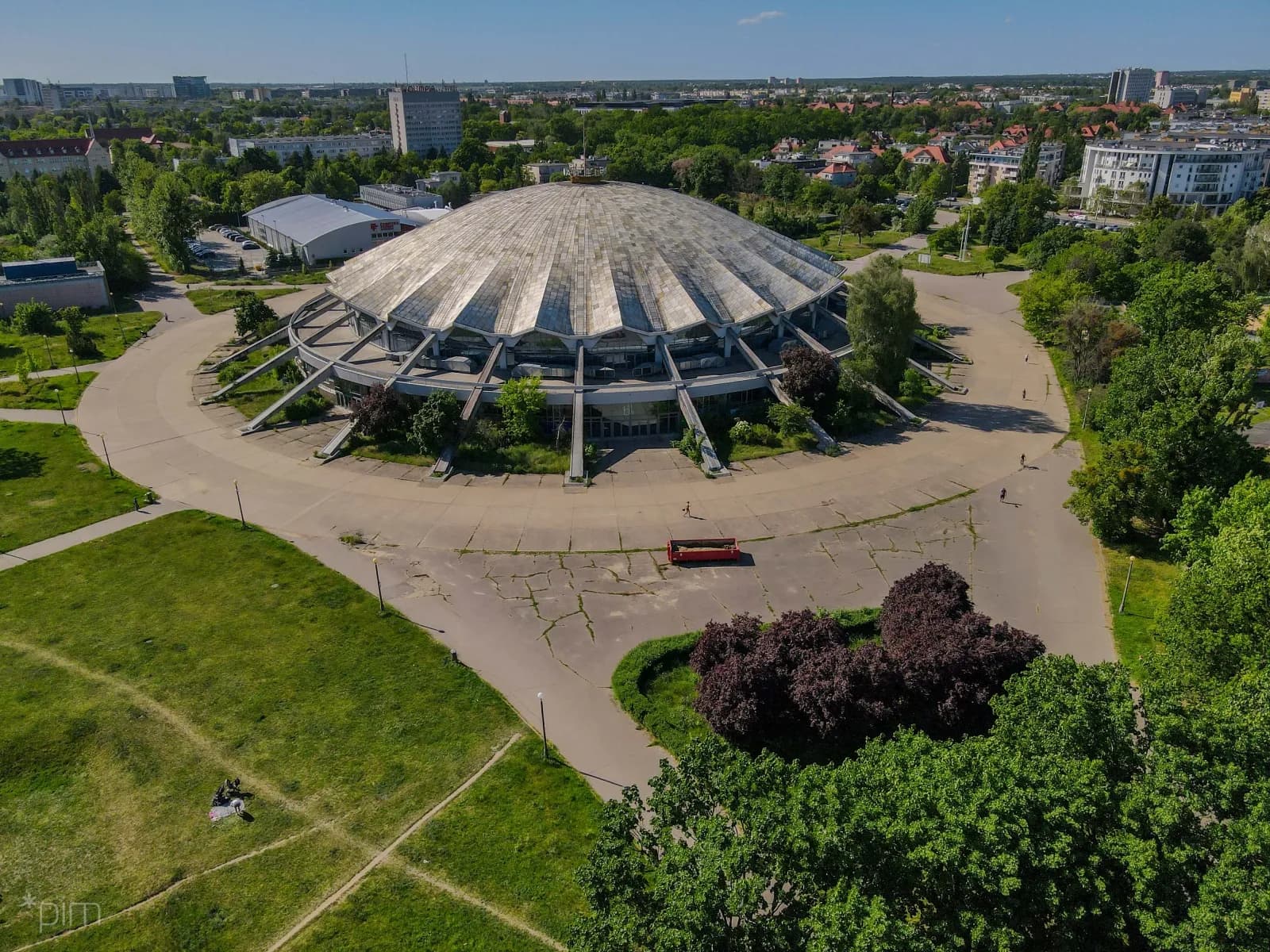
For generations of Poznanians, Arena has been a familiar part of the city's landscape. Its distinctive domed roof, rising above the greenery of Park Kasprowicza, has made it one of Poznań's most recognisable buildings.
Opened in 1974, the Arena was conceived as a modern, multi-purpose venue at a time when large indoor event spaces were becoming an important feature of Poland's cities. Its unusual architecture drew inspiration from Italy, while its subsequent history became closely connected with the cultural and sporting life of Poznań.
Now, after years of uncertainty and a closure caused by the deteriorating condition of the building, the city is preparing a new renovation project. The ambition is to bring the Arena back into use while retaining the distinctive exterior that has made it such a recognisable feature of the city.
From an ambitious idea to a landmark in Park Kasprowicza
The decision to build a major indoor sports and entertainment venue in Poznań was taken in 1969. The original ambition was considerably larger than the building that eventually emerged. Early proposals envisaged a hall accommodating more than 10,000 people, potentially located on the grounds of Cytadela.
Financial considerations led to a change of direction. The project was scaled down to approximately 4,000 seats and moved to the northern part of what is now Park Kasprowicza, in the Grunwald area.
The design was entrusted to architect Jerzy Turzeniecki and his team. Rather than following the architectural style of the large residential developments appearing across Poland at the time, the project took inspiration from an internationally recognised modernist building.
That building was Rome's Palazzetto dello Sport, designed by Italian engineer and architect Pier Luigi Nervi for the 1960 Summer Olympics. Its circular form and dramatic roof structure provided the inspiration for Poznań's Arena.
Construction began in July 1972 and was completed in just 23 months. The building officially opened on 28 June 1974.
An unusual design that became part of Poznań's identity
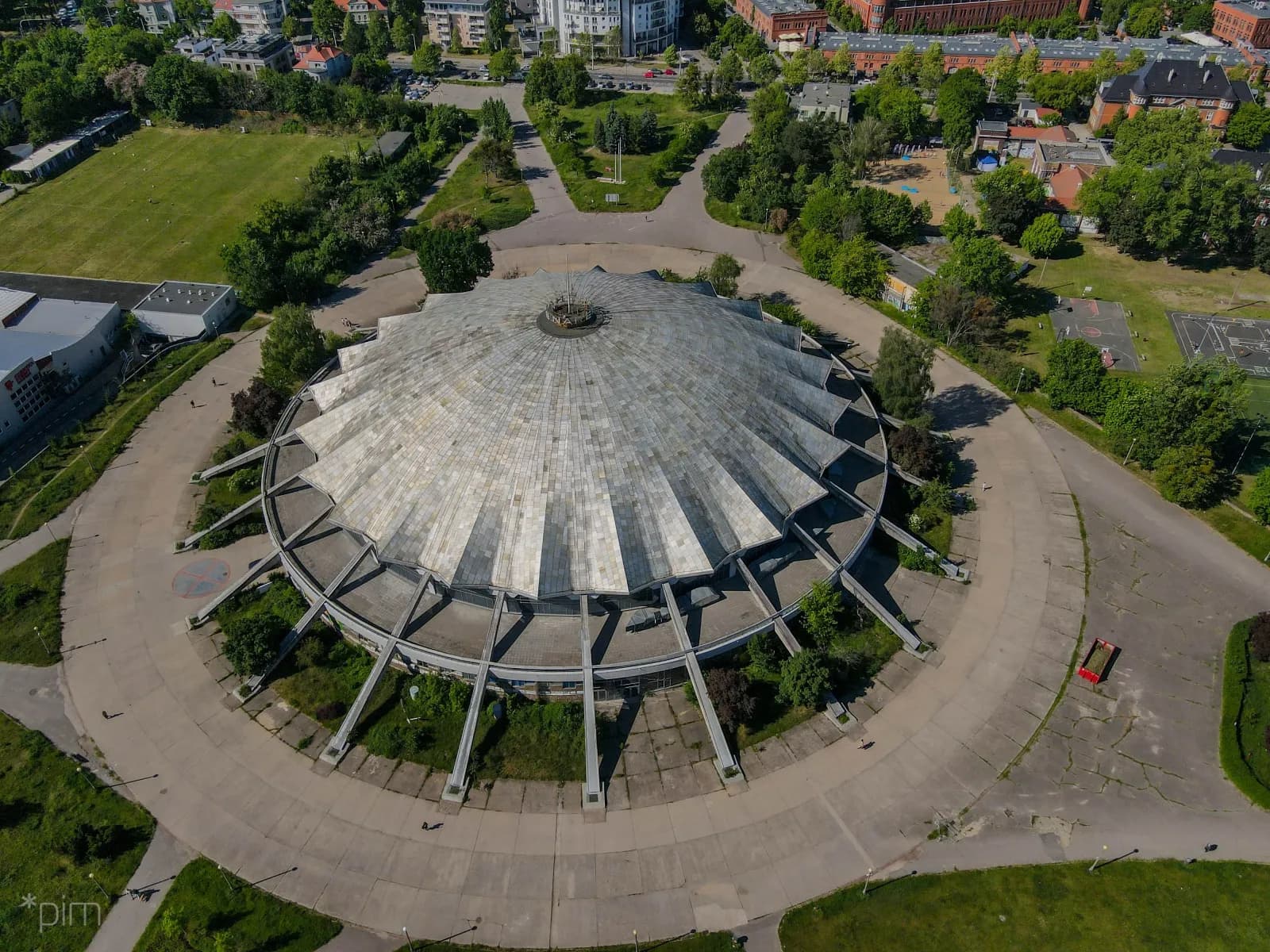
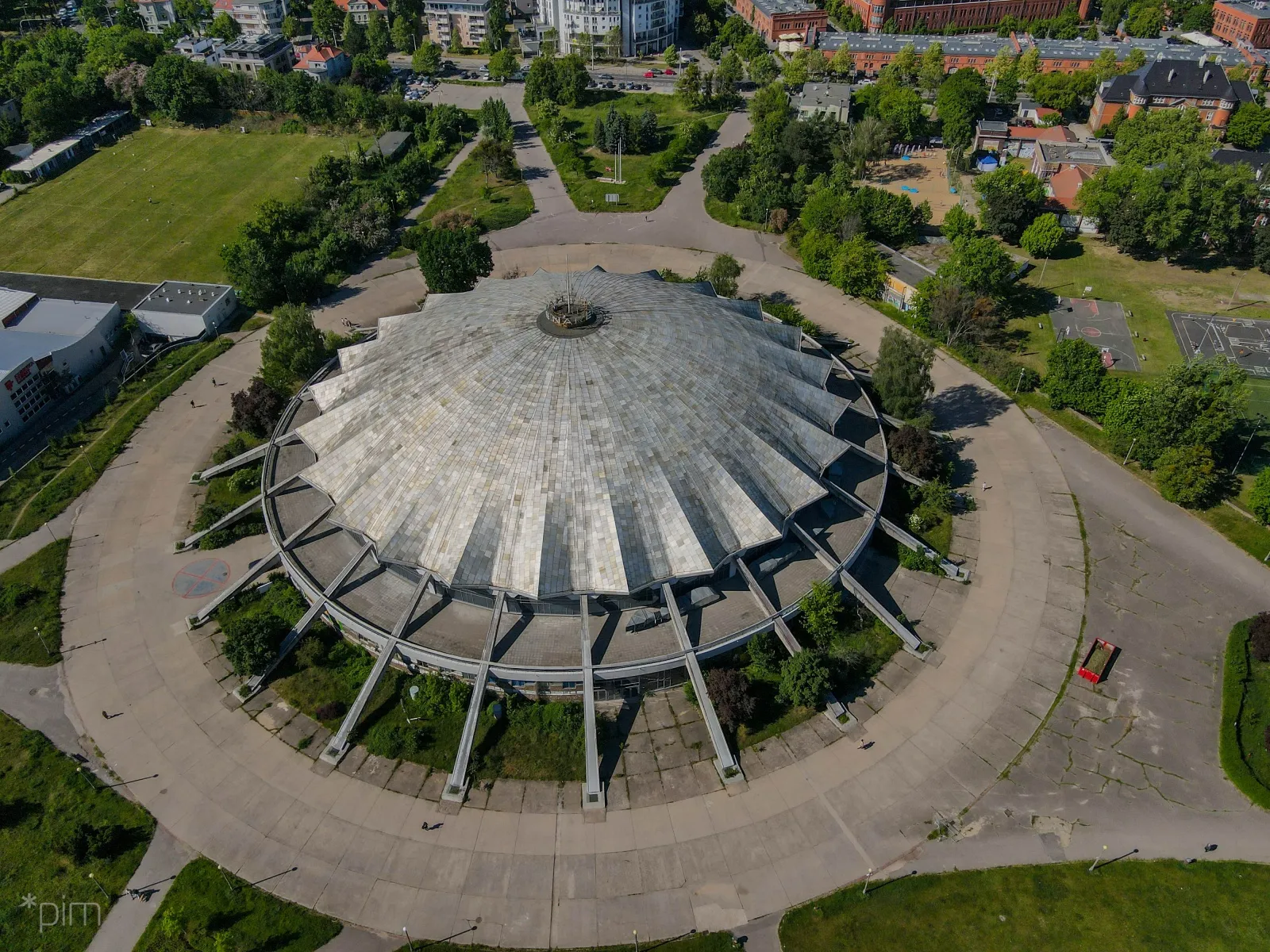
The Arena's architecture is central to its significance. Its circular structure and distinctive roof, often compared to an inverted or partially folded umbrella, give it a silhouette unlike most other buildings in Poznań.
The roof is supported by 24 steel ribs resting on reinforced-concrete columns positioned around the outside of the building. Originally covered with gold-coloured aluminium sheeting, the dome was designed to catch the sunlight and stand out against the surrounding park.
The Arena is now regarded as an important example of Polish modernist architecture. Its architectural character has also become a significant consideration in discussions about its future. In the city's latest renovation plans, the intention is to retain the recognisable external form while bringing the interior and facilities up to contemporary standards.
When the Arena opened, its purpose was to provide a flexible venue for both sporting competitions and cultural performances. That versatility became one of its defining characteristics.
How the Arena fell out of use
Despite its original ambition and importance, the building struggled to keep pace with changing requirements.
The absence of sufficiently extensive repairs and modernisation gradually affected its condition and ability to host large events. Newer entertainment and sporting venues in the wider region also created competition.
The question of what should happen to the building became increasingly important, particularly given its architectural significance.
Previous redevelopment proposals were developed by Międzynarodowe Targi Poznańskie (MTP), which had taken ownership of the property. However, the original plans proved difficult to finance.
The earlier design prepared by CDF Architekci envisaged a much more extensive redevelopment, including additional underground space and a capacity of approximately 9,200 spectators. It would have transformed the Arena into a substantially larger entertainment and sporting complex.
That proposal ultimately did not proceed.
A different approach to the renovation
The latest plans represent a change in direction. The City of Poznań has taken responsibility for delivering the project, with a greater emphasis on the actual requirements of local sporting organisations and the long-term cost of operating the building.
Deputy Mayor Marcin Gołek in his interview with poznan.pl says the earlier vision was developed under very different economic circumstances and that the city has chosen to reconsider what Poznań genuinely needs.
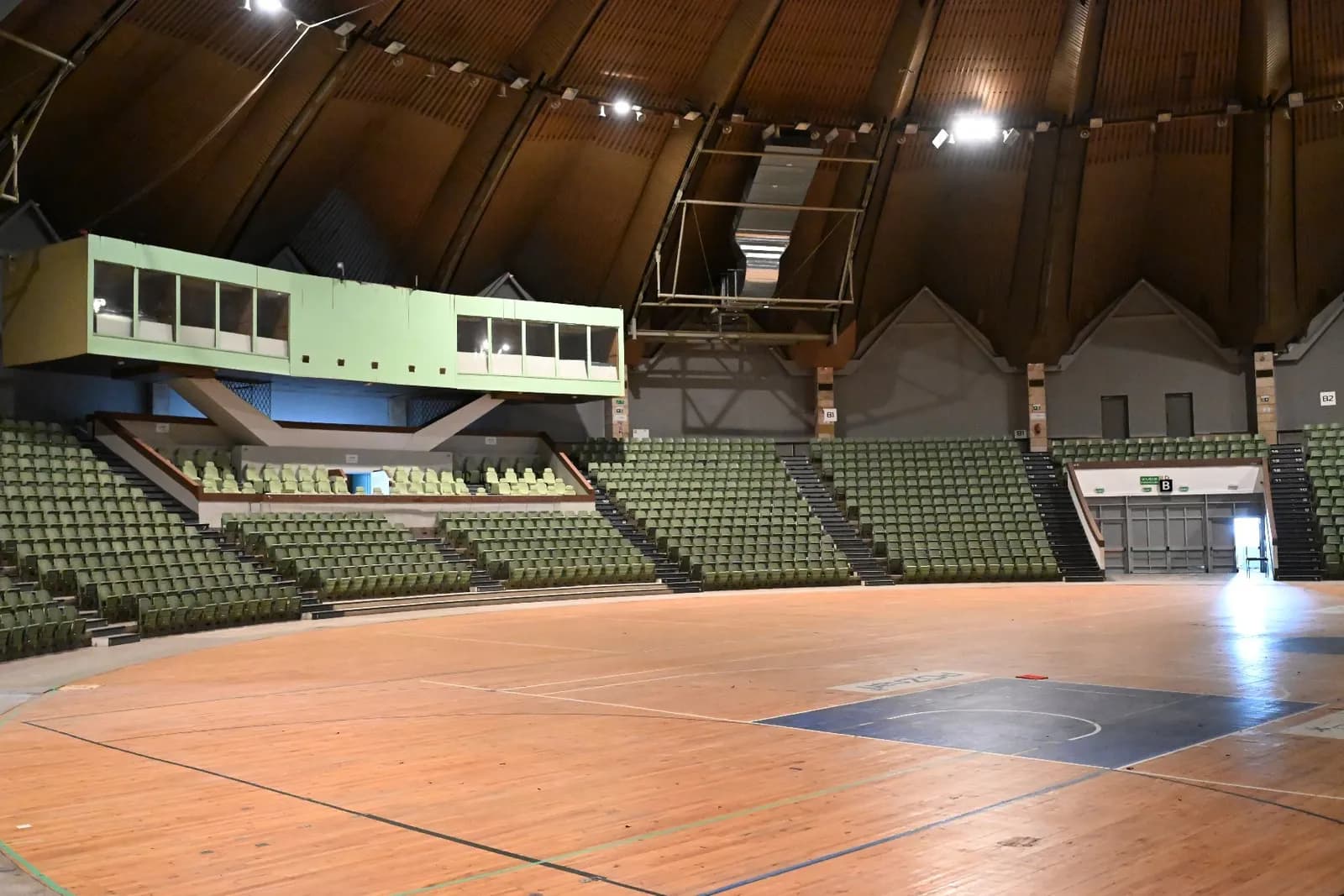
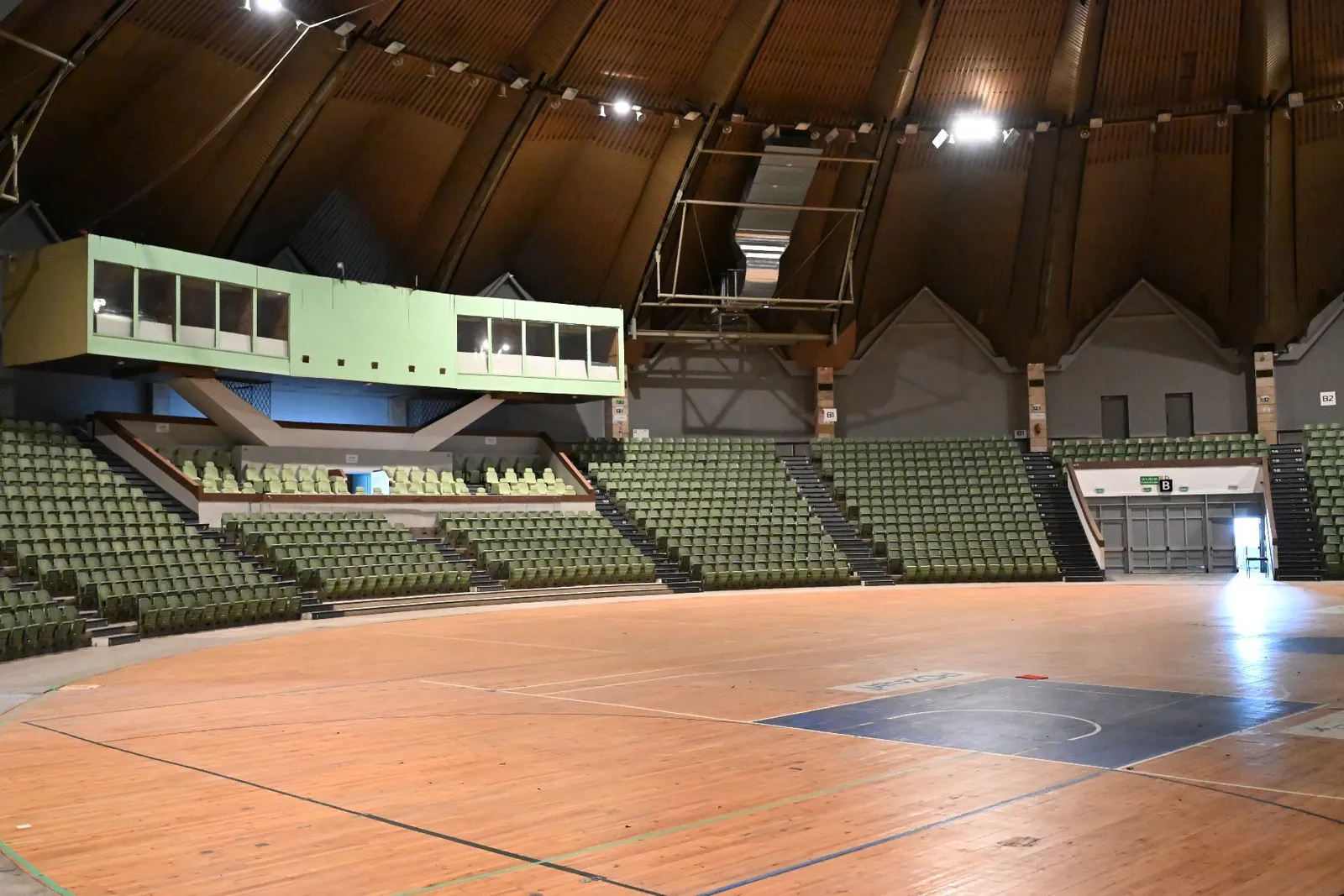
The revised proposal envisages increasing the existing capacity of just over 3,000 seats to approximately 4,000, rather than creating a venue for 10,000 spectators.
Basketball and volleyball are expected to be the principal sports hosted there, although the plans also include provision for other disciplines, including handball and futsal.
Gołek explained the city's thinking:
“We decided to take a completely different route, listening to the real, everyday needs of Poznań's sport.”
He added:
“Arena will be the home of Poznań sport, meeting the rigorous requirements of leading disciplines, but we will also be able to successfully organise concerts and cultural events there.”
The city has also involved experts from the relevant sporting associations in the planning process.
One particularly interesting possibility concerns the reopening itself. Following a meeting with Sebastian Świderski, president of the Polish Volleyball Association, Gołek said there was an indication that the Polish national volleyball team could play at the renovated Arena to mark its return.
It is an attractive prospect, although the match has not been formally confirmed.
Who will pay for the renovation?
Financing remains one of the most important questions.
The city intends to apply to the Ministry of Sport and Tourism for external support, potentially covering up to 50 per cent of the total investment cost.
There have also been preliminary discussions with Wielkopolska Marshal Marek Woźniak and Poznań County Head Jan Grabkowski about possible contributions from regional and county budgets.
However, no final funding agreement or overall project budget has been announced yet.
The first major step is the preparation of a Functional and Utility Programme (PFU), which will establish the requirements for the renovation and provide the basis for the next stages of the project.
According to Poznańskie Inwestycje Miejskie (PIM), the contract for this documentation and the initial redevelopment concept was signed in October 2026. Completion is expected in the second quarter of 2027.
The documentation will also include an investment cost estimate and the technical arrangements required before the next procurement stage.
Gołek has stressed that the city does not intend to commit to a budget before the costs and potential external contributions are properly established.
He said:
“Arena is our absolute priority, although of course there are limits. It is not the case that in Poznań we will put any amount of money into it.”
When could the Arena reopen?
The original ambition was to bring the building back into use in 2029. However, Gołek has acknowledged that 2030 may be a more realistic target.
The current timetable envisages completing the preliminary documentation in 2027, securing external financing and proceeding with a design-and-build tender. If these stages progress smoothly, construction could begin in 2028.
The eventual opening date will depend on the funding arrangements, the tender process and the length of the construction work.
The exterior is expected to retain its familiar form, while the interior will undergo the improvements needed to meet modern safety, accessibility and technical standards.
For now, the immediate priority is to complete the documentation and establish the financial framework.
After years of proposals and uncertainty, Poznań is once again working towards bringing one of its best-known public buildings back into use. The Arena's future may look different from some of the grander redevelopment plans previously considered, but its original purpose remains recognisable: a place for sport, music, entertainment and shared experiences in the heart of the city.