A project that began at Poznań’s Kino Pałacowe is now bringing together five cinemas from different parts of Poland to work on a shared approach to making cinema accessible to people with different needs.
The “Laboratorium Znaku Jakości Kina bez barier” project brings together cinemas in Poznań, Gdynia, Jarocin, Konin and Szczecin. Rather than creating a standard based on the circumstances of one particular venue, the participating cinemas are testing solutions in very different settings, from a two-screen cinema inside a historic cultural centre to Poland’s oldest cinema and venues serving smaller cities.
The project began in May 2026 and is scheduled to run until May 2027.
From regular screenings in Poznań to a nationwide project
The starting point is the Kino bez barier initiative at Kino Pałacowe, part of Centrum Kultury ZAMEK in Poznań. It began in 2022 with a straightforward principle: accessible cinema should be part of the normal programme rather than something offered only occasionally.
Our model of operation is primarily based on regular screenings included in the current programme. Accessible cinema cannot be a single celebration, it has to be part of the everyday cultural offer.
Says Joanna Stankiewicz, leader of Kino bez barier.
That approach has involved working directly with audiences to understand what they actually need and testing different ways of providing it.
Among the tools being used are audio description, which provides spoken descriptions of visual action, and extended subtitles, which can include information such as sounds, events or speaker identification. Screenings can also include interpretation into Polish Sign Language (PJM).
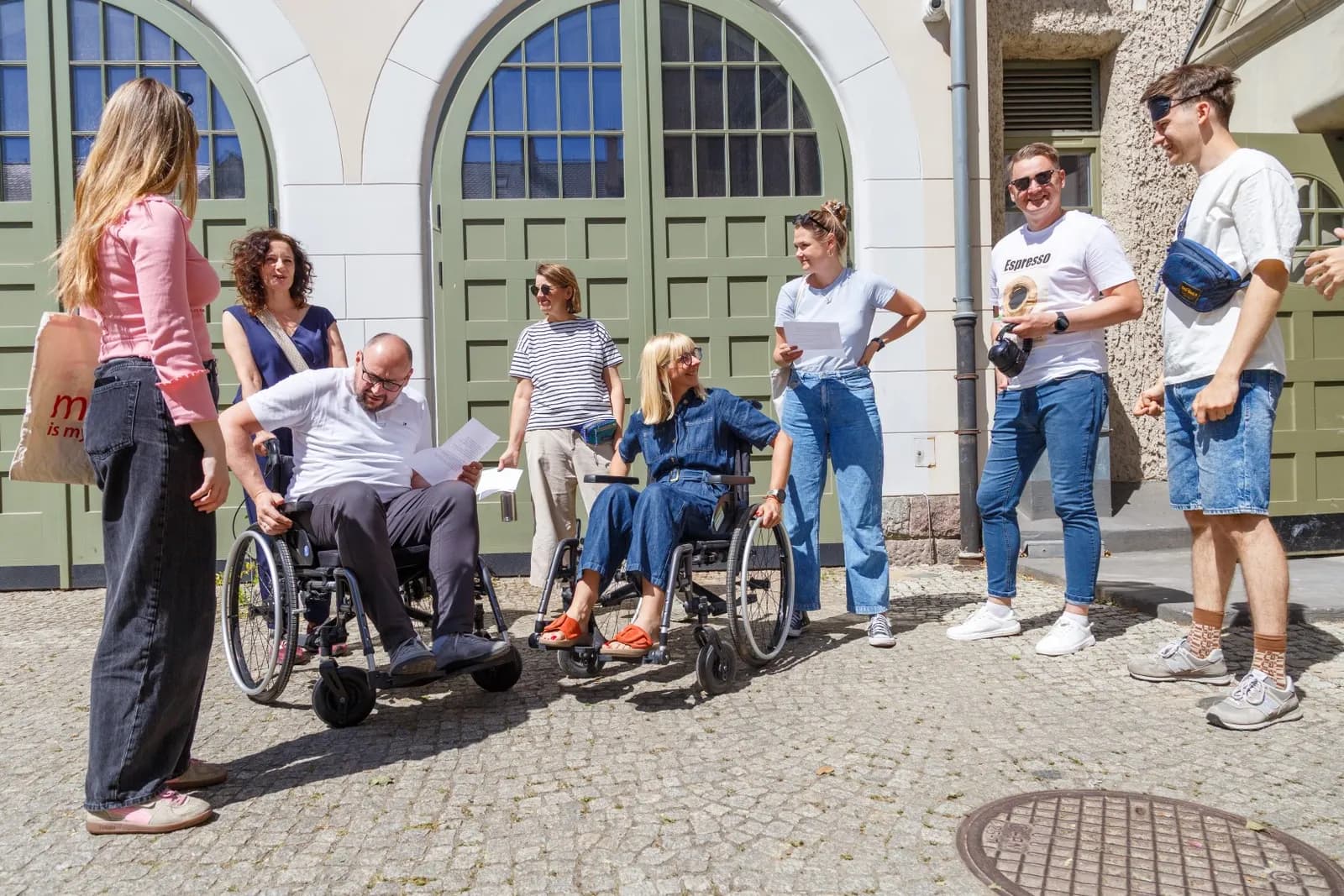
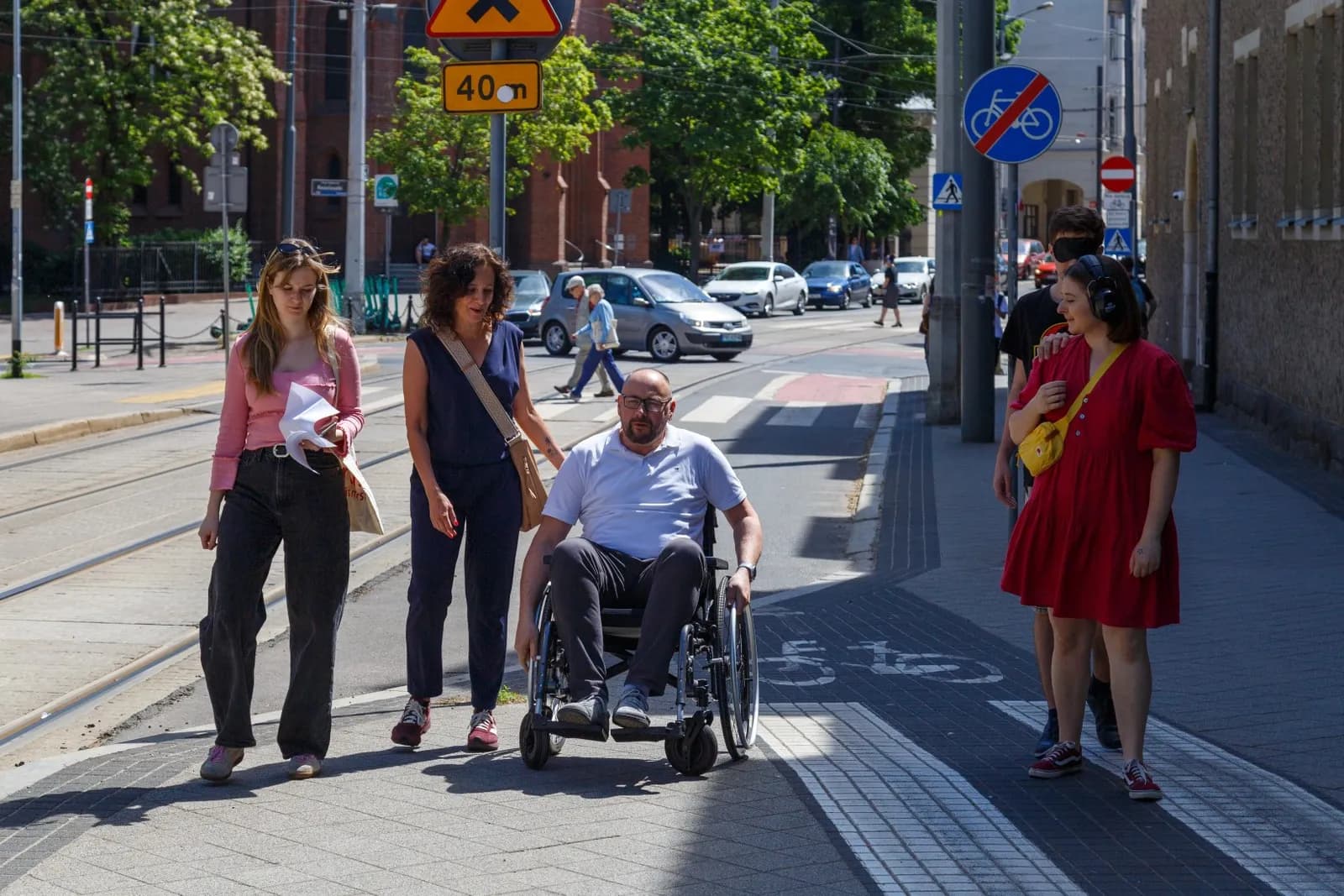
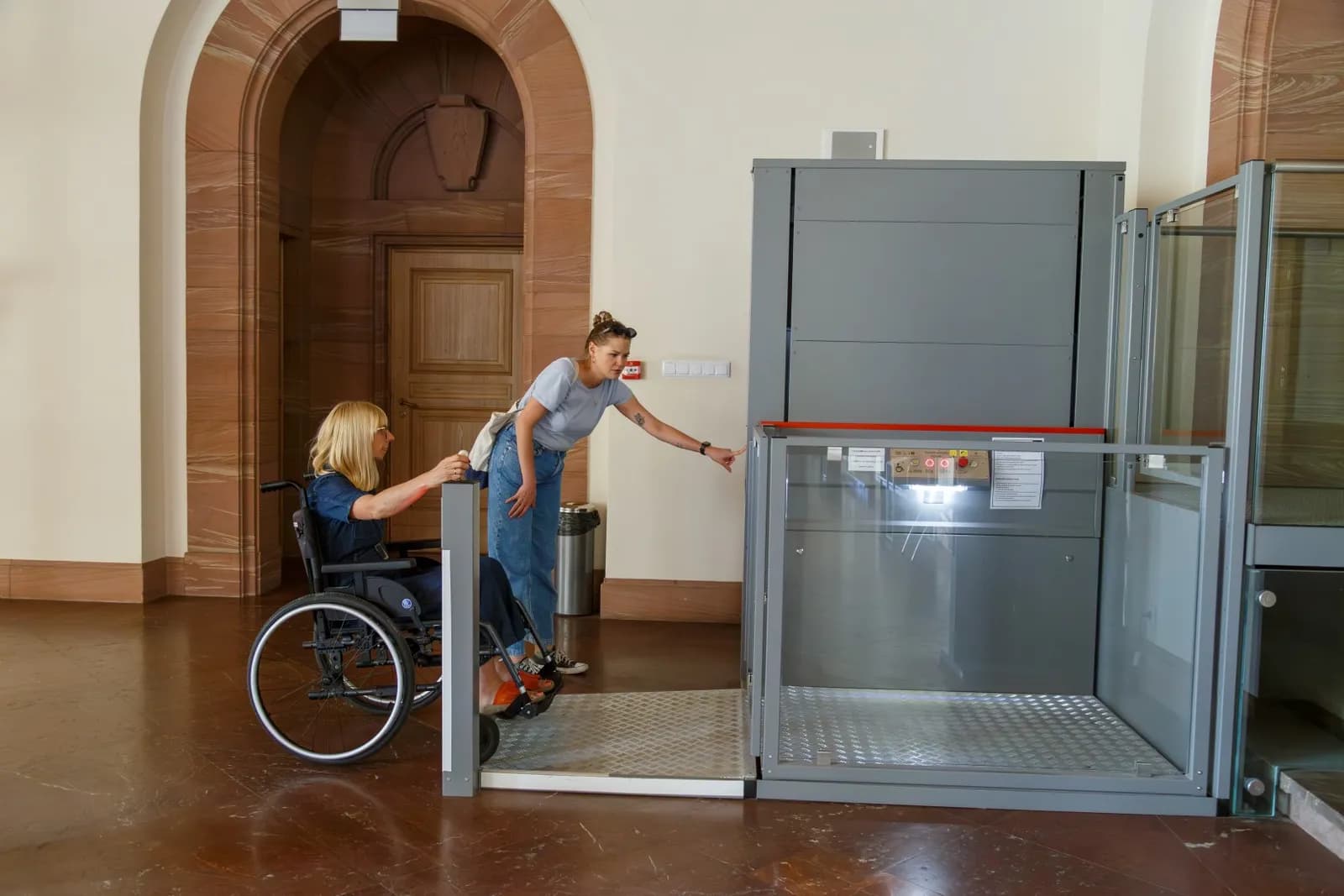
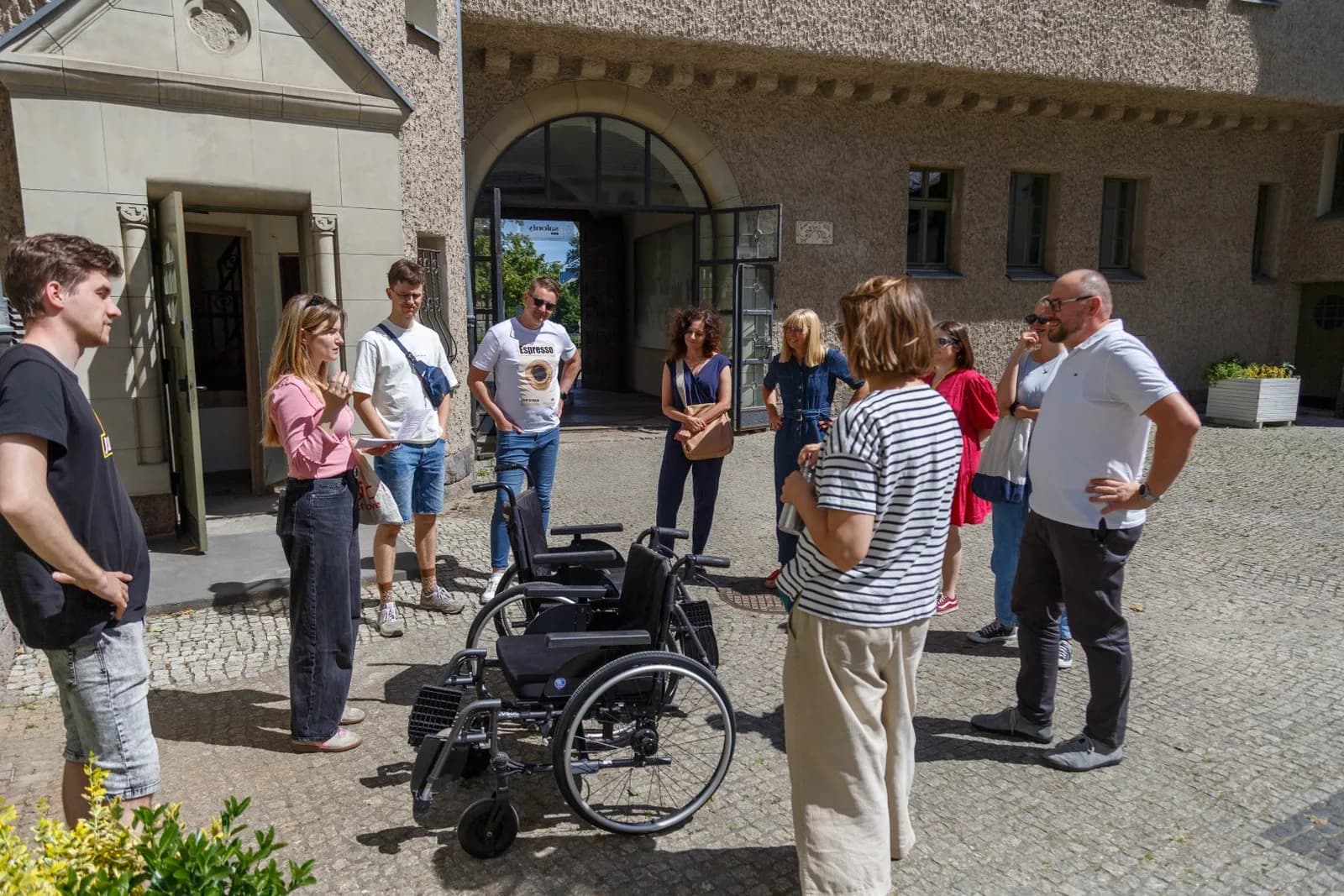
Accessibility is not limited to what happens on screen. The project also considers the physical environment of cinemas and equipment such as induction loops, which can send film audio directly to compatible hearing aids.
Five cinemas, five very different starting points
The participating venues have deliberately been chosen for their differences.
Kino Pałacowe, CK ZAMEK, Poznań has two screens and operates within a large cultural institution housed in a historic building in a major regional city.
Gdyńskie Centrum Filmowe imienia Leszka Kopcia, Gdynia is a cultural institution beginning to introduce accessibility measures and operates from a modern, accessible building.
Kino Echo, Jarocin is the town's only cinema and is run by Stowarzyszenie Jarocin XXI. It also has experience of working with linguistic minorities.
Kino Oskard, Konin is a municipal cinema that has undergone a major renovation. It is architecturally accessible, forms part of a larger institution and works extensively with organised groups.
Pionier 1907, Szczecin presents a very different set of circumstances. Recognised as Poland's oldest cinema, it operates with a small team as part of Dom Kultury “Krzemień”. Its building is awaiting renovation and accessibility work is at an early stage.
That range is central to the experiment. A solution that works in a newly renovated venue may not be realistic for a small cinema operating from an older building. The project's aim is therefore to develop guidance that cinemas with different budgets, buildings and staffing levels can realistically use.
Dr Zofia Małkowicz, a sociologist and project facilitator, describes the process as one of learning and testing together:
The "Laboratory" means that cinemas learn, test and build standards together so that they respond as well as possible to the needs of viewers, but also to those of the cinema industry. These standards simply have to be possible to implement.
Screenings, training and audience research
Over the coming months, the five cinemas will test accessibility measures through actual screenings. These will include audio description, extended subtitles, PJM interpretation and induction loops.
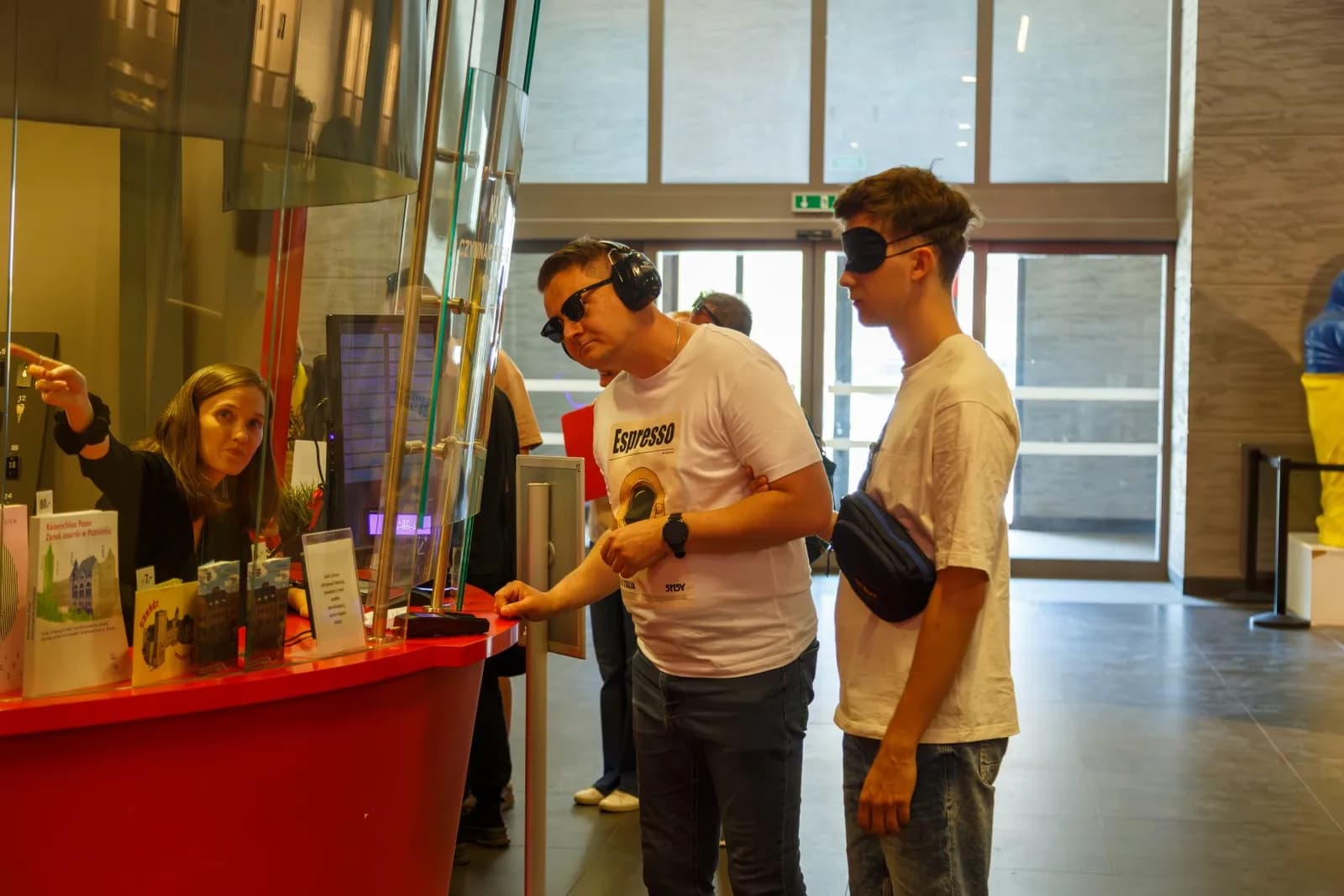
The cinema teams will also receive training covering areas including digital accessibility, communication and appropriate etiquette when working with disabled people
Alongside this practical work, audience research is being carried out in each participating city under the direction of Dr Bartek Lis. The intention is to base the developing standards on the experiences and needs of cinema audiences rather than assumptions about what accessibility should look like.
The project also places accessibility at the centre of its communications, so that information about the screenings and activities is itself available in an accessible form.
A practical guide for cinemas across Poland
The work will culminate in May 2027, when the project partners plan to publish a practical “toolkit” for cinemas interested in introducing accessibility measures.
A system of criteria and guidance is also being developed that will allow cinemas across Poland to voluntarily confirm the accessibility solutions they have introduced and receive a corresponding quality mark.
The proposed system is not intended to be a rigid checklist imposed on every cinema. The partners are developing it from the ground up, taking into account the realities of operating cinemas in Poland, including the particular constraints faced by smaller towns and institutions with limited resources.
There is also a strong cultural dimension to the project. Kino bez barier has been used not only to improve access to film but also to showcase Polish and European cinema, giving audiences with different needs the opportunity to take part in the same cultural programme.
The next Poznań meeting will take place in February 2027
Poznań will again become a meeting point for the project in February 2027, when Centrum Kultury ZAMEK plans to host an event aimed at professionals from the cinema sector.
The established Forum bez barier. O kinie dostępnym (Forum without barriers. On accessible cinema), which has been organised in Poznań for the past three years, will return in 2028.
The project represents the next stage of an initiative that has been developing locally since 2022. Its new national format gives the city's experience a role in a broader conversation about how cinemas across Poland can make their regular programmes accessible to more people.
With the five participating venues now testing ideas in very different circumstances, the resulting guidance should also reflect the practical realities of Polish cinemas beyond the country's largest cultural institutions.
See more: Poznań Game Arena Celebrates 20 Years of Gaming This October
Image credit: Fot.M.Kaczyński © CK ZAMEK