Tucked into the heart of Poznań is a place where time folds into architecture, commerce blends with creativity, and history breathes through red bricks. The Stary Browar history is not a mere timeline—it’s a living story of transformation, resilience, and visionary thinking. What once brewed beer now brews ideas, culture, and connection.
A Historic Transformation
The roots of Stary Browar history dig deep into the 19th century. In 1844, Ambrosius Hugger, a brewer from the Black Forest, brought his passion for beer-making to Poznań. Starting modestly on Wroniecka Street, he soon realised the city’s thirst was growing—both for beer and industry. By 1849, Hugger expanded to Święty Wojciech Street, where his sons Julius and Alfons would later take the business to new heights.
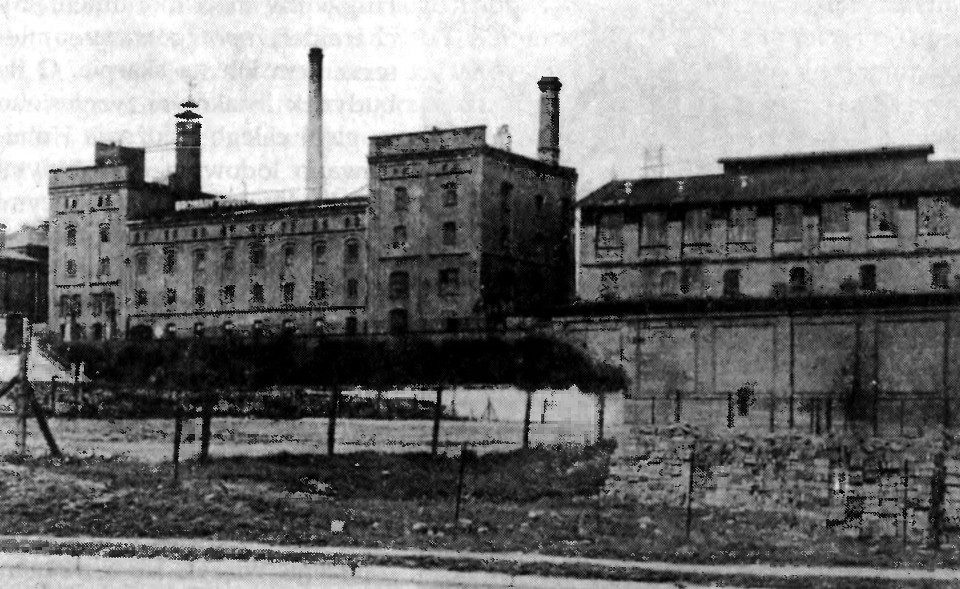
In 1876, the Hugger brothers purchased a prominent plot on Półwiejska Street, then on the outskirts of the city. Over two decades, they built a vast brewery complex that included a malthouse, a drying room, worker housing, stables for horses delivering beer, and even a soaring chimney that still stands today. This was no ordinary brewery—it was a self-sufficient industrial village, with its own economy and rhythm.
Discover Greater Poland following in the footsteps of the first king of Poland!Designed in the Rundbogenstil style, popular in German industrial architecture of the time, the buildings showcased red-brick facades, rounded windows, and ornate brickwork. Around 1890, production at the Hugger Brewery flourished, with brands like Kryształ (a pilsner), Specjał (a dark Munich-style beer), and Porter flowing across the region.
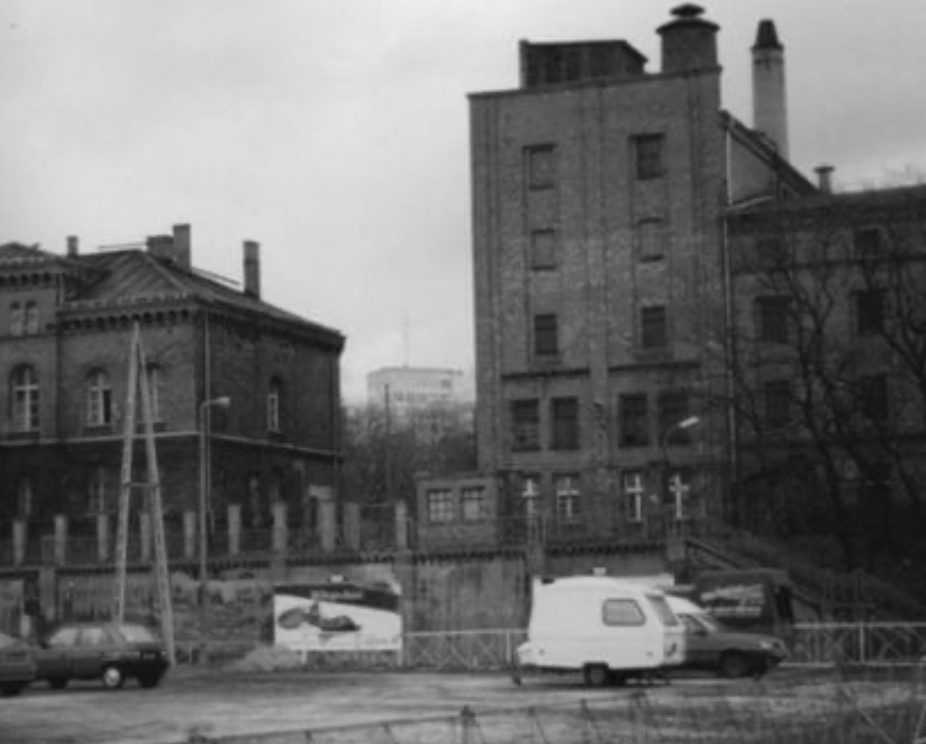
By the early 20th century, the brewery had become a stock company, symbolising its economic power. But history’s tide shifted: WWI, then economic hardships, and finally WWII. During the Nazi occupation, the cellars were converted into bunkers. In 1945, the brewery was bombarded and heavily damaged during the Battle of Poznań. Rebuilt by the state, it resumed operations until the late 1970s, when production moved to Franowo—marking the end of the brewery’s life in the city centre.
By the 1980s, the once-proud complex stood abandoned, crumbling and unsafe. Homeless shelters replaced fermentation tanks, and graffiti crept across soot-covered walls. A German developer once considered levelling it to build a generic shopping mall. But that’s not how Stary Browar history ends.
The 50/50 Concept: Merging Art and Business
In 1998, Grażyna Kulczyk saw more than ruin—she saw a canvas. A passionate art collector and entrepreneur, she purchased the site through her company Fortis and proposed something no one else had dared: a “Centre of Art and Business.” Her idea, the 50/50 concept, was radical. But Kulczyk believed that commerce and culture weren’t opposites—they were partners.
Half of every business should be dedicated to art.
Declared Grażyna Kulczyk, challenging traditional development norms.
The idea was simple yet bold: create a space where fashion boutiques sit next to art galleries, where a quick coffee break could turn into an art encounter. And it worked. When the Atrium opened on 5 November 2003, Poznań was stunned—not just by the scope, but the soul. The opening event featured a live electronic set by Klaus Schulze and a pyrotechnic light show by Gert Hof, who previously illuminated the Great Wall of China and the Acropolis.
It was a miracle. Everyone thought she was crazy for investing in that wreck.
remembers Piotr Wędrychowicz, an architect.
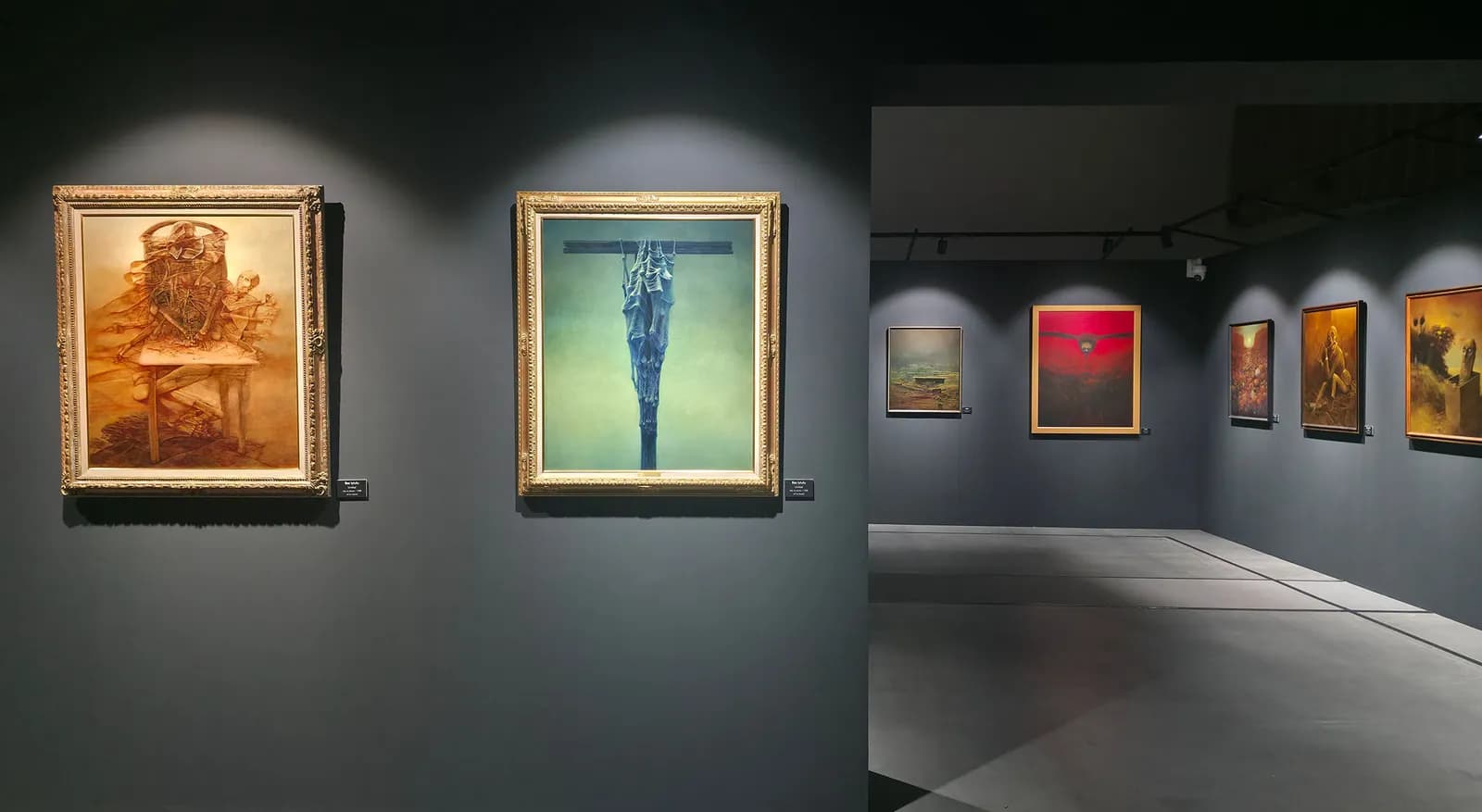
Visitors didn’t just shop—they explored. Art installations were embedded into the walls, floors, and even ceilings. Cultural events, from fashion festivals to theatre performances, were planned alongside retail launches to breath fresh air to the Stary Browar history.
Architectural Excellence Reimagined
Transforming a decayed brewery into a world-renowned centre took more than investment—it took vision. Rather than hiring a flashy international firm, Kulczyk entrusted the project to two young Poznań architects, Piotr Barełkowski and Przemysław Borkowicz of Studio ADS. Their task was daunting: blend heritage with the future, revive ruins without erasing their past, all while paying homage to Stary Browar history.
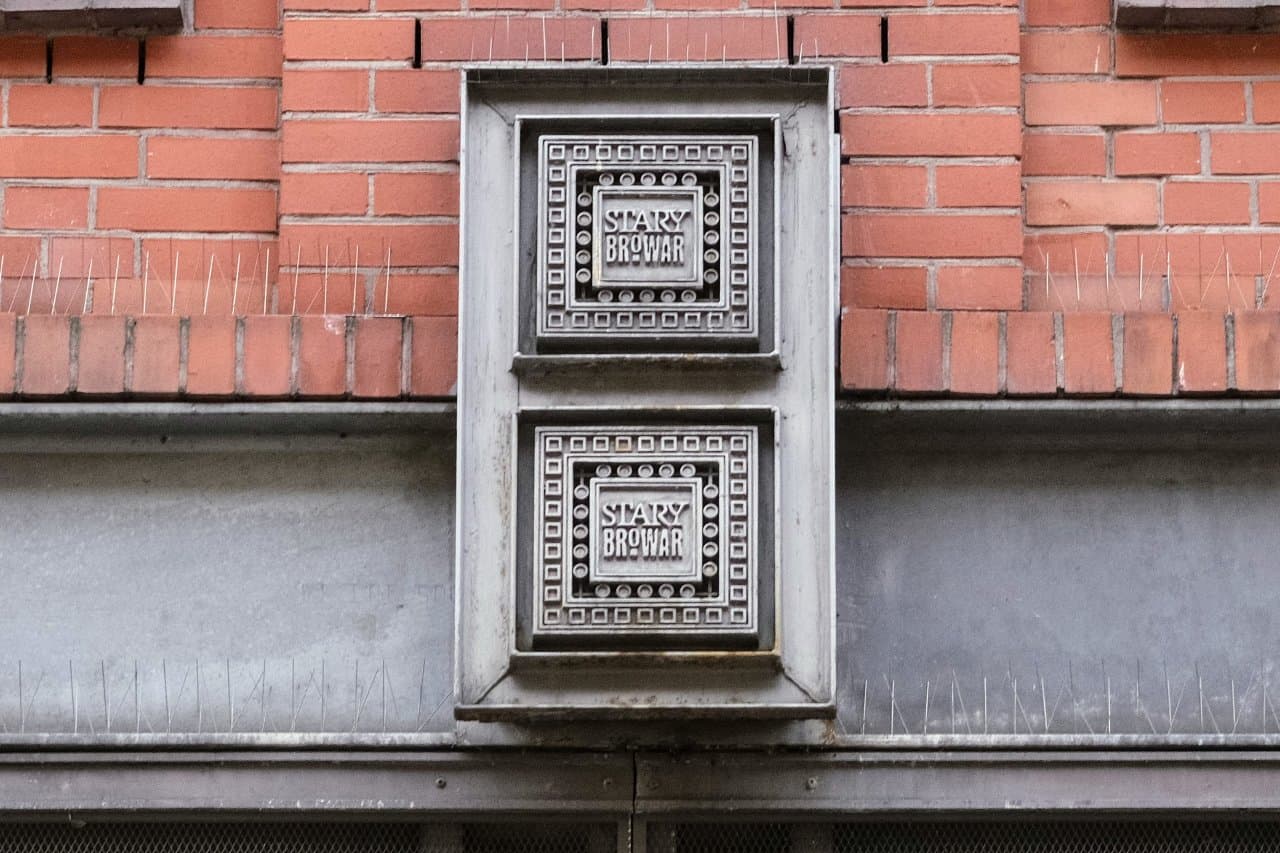
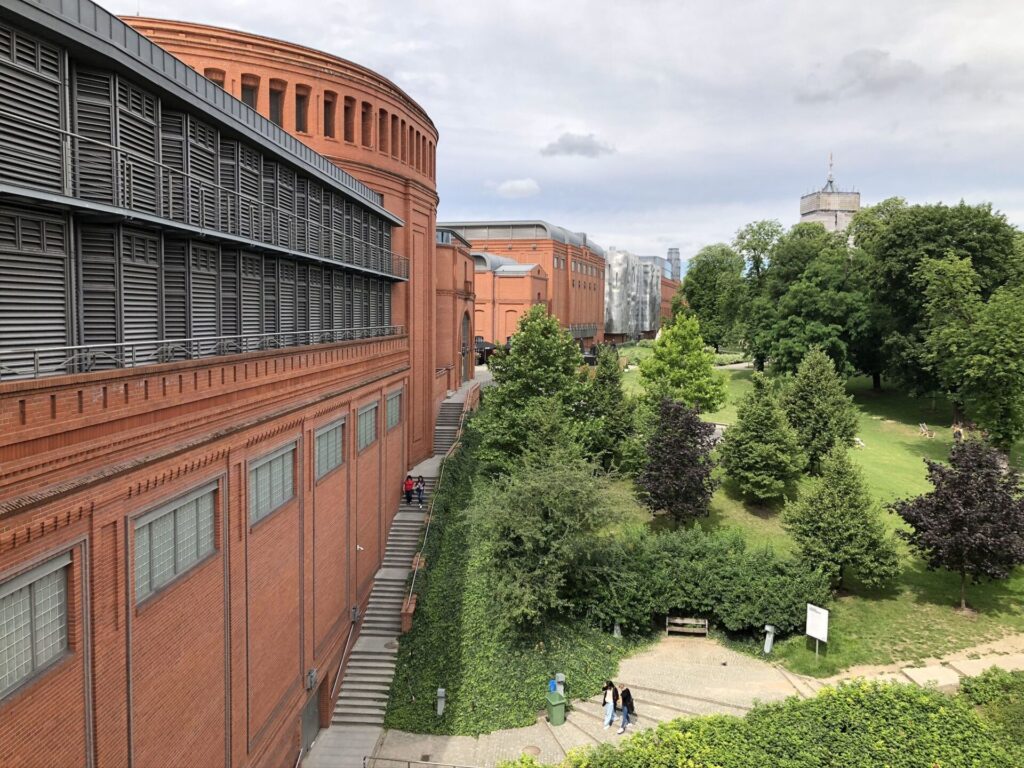
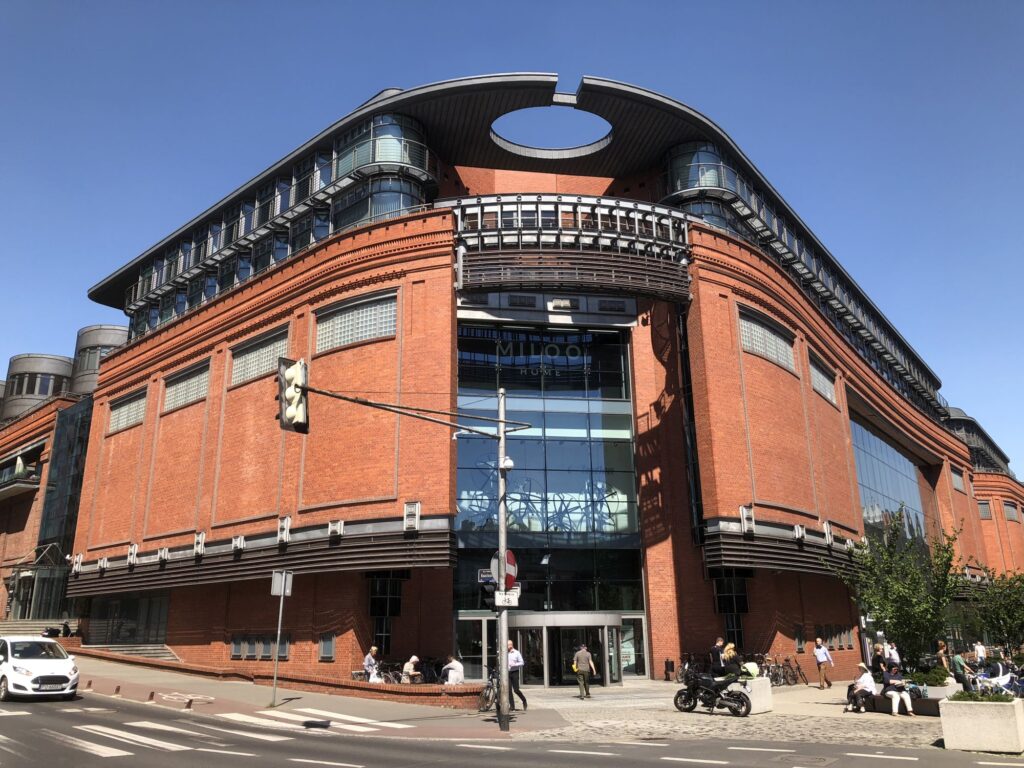
Relive the 90s through our article that reminisces on the iconic market of Poznań!They chose restoration over replacement to really underline the Stary Browar history. Original features—ironwork, staircases, even industrial signage—were cleaned, preserved, and reincorporated. Rundbogenstil arches became grand entrances. Former factory windows let in daylight above sleek interiors. They even preserved the façade of a neighbouring tenement house, which now stands behind protective glass as a poetic reminder of urban continuity.
Ryszard Kaja, a Poznań-born painter and set designer, created the visual identity of the interior passages, adding layers of texture and symbolism. The design was so impactful that in 2005, the International Council of Shopping Centers named Stary Browar the best shopping centre in the world—not just for its architecture, but for redefining what a shopping space could be.
Culture, Community, and Celebration
Stary Browar isn’t just walls and shops—it’s alive with events that bring people together.
In summer, Stary Browar turns the surrounding park into a playground—live concerts, outdoor yoga, theatre & cinema fill the lawns. Each year, the Short Waves Festival takes over Stary Browar with international short films projected in unconventional spots: stairwells, passageways, even restrooms.
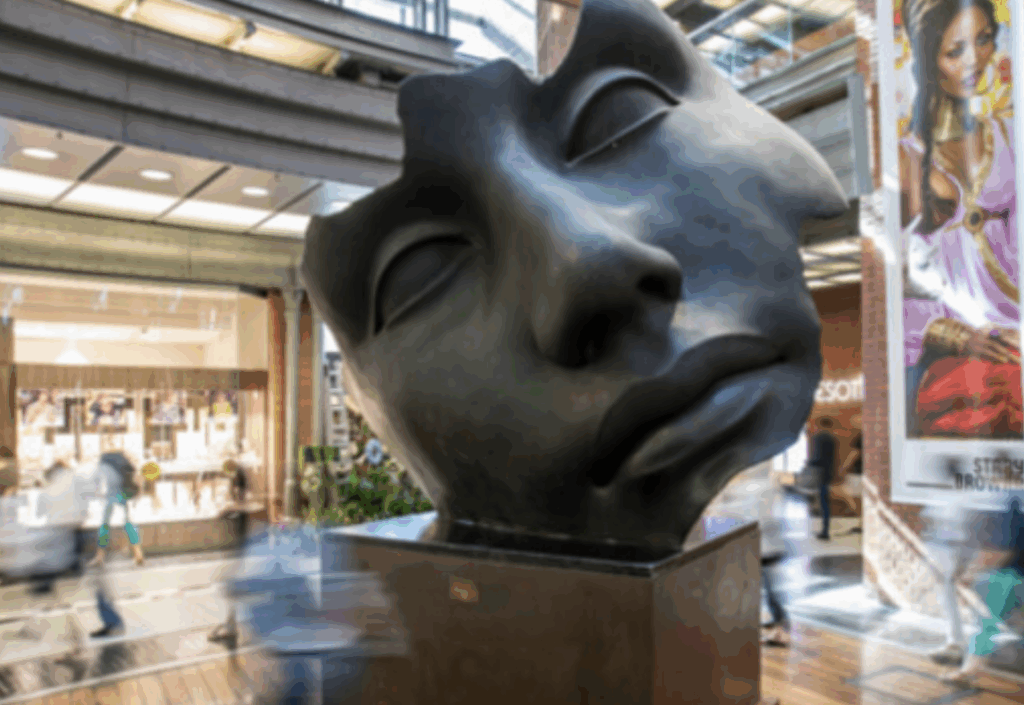
Even ordinary visits can feel extraordinary. The Igor Mitoraj sculpture Thsuki-no-hikari, a hauntingly broken classical face, has become a favourite meeting point.
2025: Food Hall Evolution
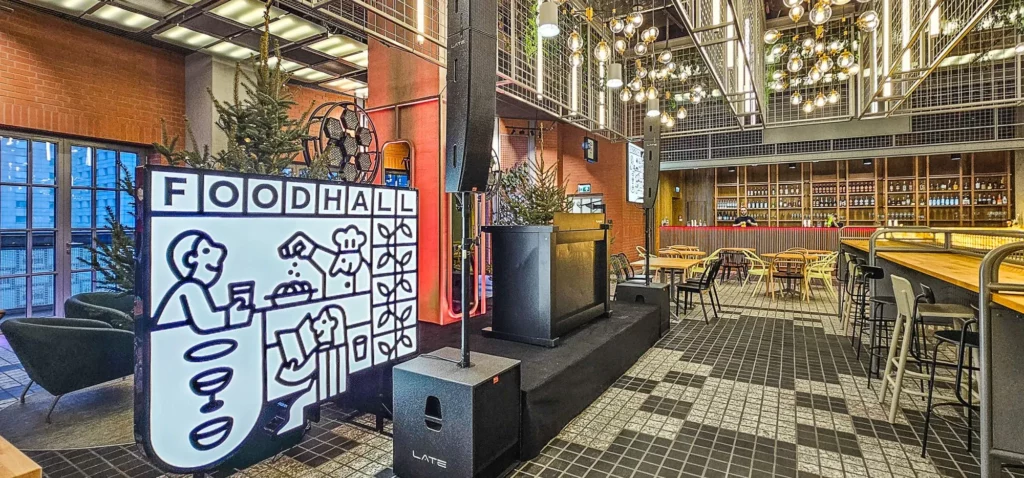
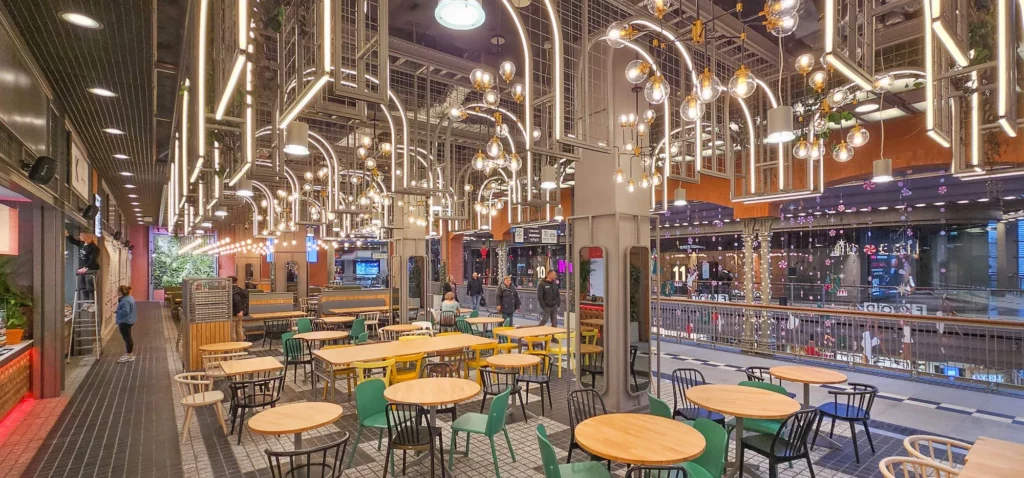
The newest chapter in Stary Browar history is culinary. In 2025, the site unveiled a cutting-edge Food Hall designed by mode:lina™ studio. Inspired by iconic food markets in Europe, it offers gourmet street food in a democratic, design-forward space. Here, you’ll find Greek souvlaki next to Korean dumplings, and vegan ramen beside Polish craft beers.
No fixed menu. Just good food and risk-taking.
explains Hejnowicz.
At its heart is Pop2Up, a rotating kitchen stage curated by Orson Hejnowicz, known for shaking up Polish gastronomy. With 600 seats and live DJs on weekends, the Food Hall is more than a place to eat—it’s a place to gather.
Still Brewing New Stories
Today, the Stary Browar history stands as a monument to what vision, patience, and passion can achieve. Nearly erased, it now pulses as Poznań’s beating heart—where shopping is a cultural act, and every visit writes a new page in its ever-evolving story.
Still haven’t heard the legend of Poznań’s goat? Let’s fix that!