Once called Wilhelmplatz under Prussian rule, today known as Plac Wolności (Freedom Square), this rectangular expanse in the heart of Poznań has witnessed centuries of the city’s transformation. Located just west of the medieval old town and east of the Imperial District, it is one of the few places in Poznań where multiple historical epochs converge so vividly. With over two hundred years of architectural, political, and cultural shifts etched into its pavement, Freedom Square is more than just a location—it is a chronicle of Poznań itself.
From Military Parade Ground to Cultural Centre
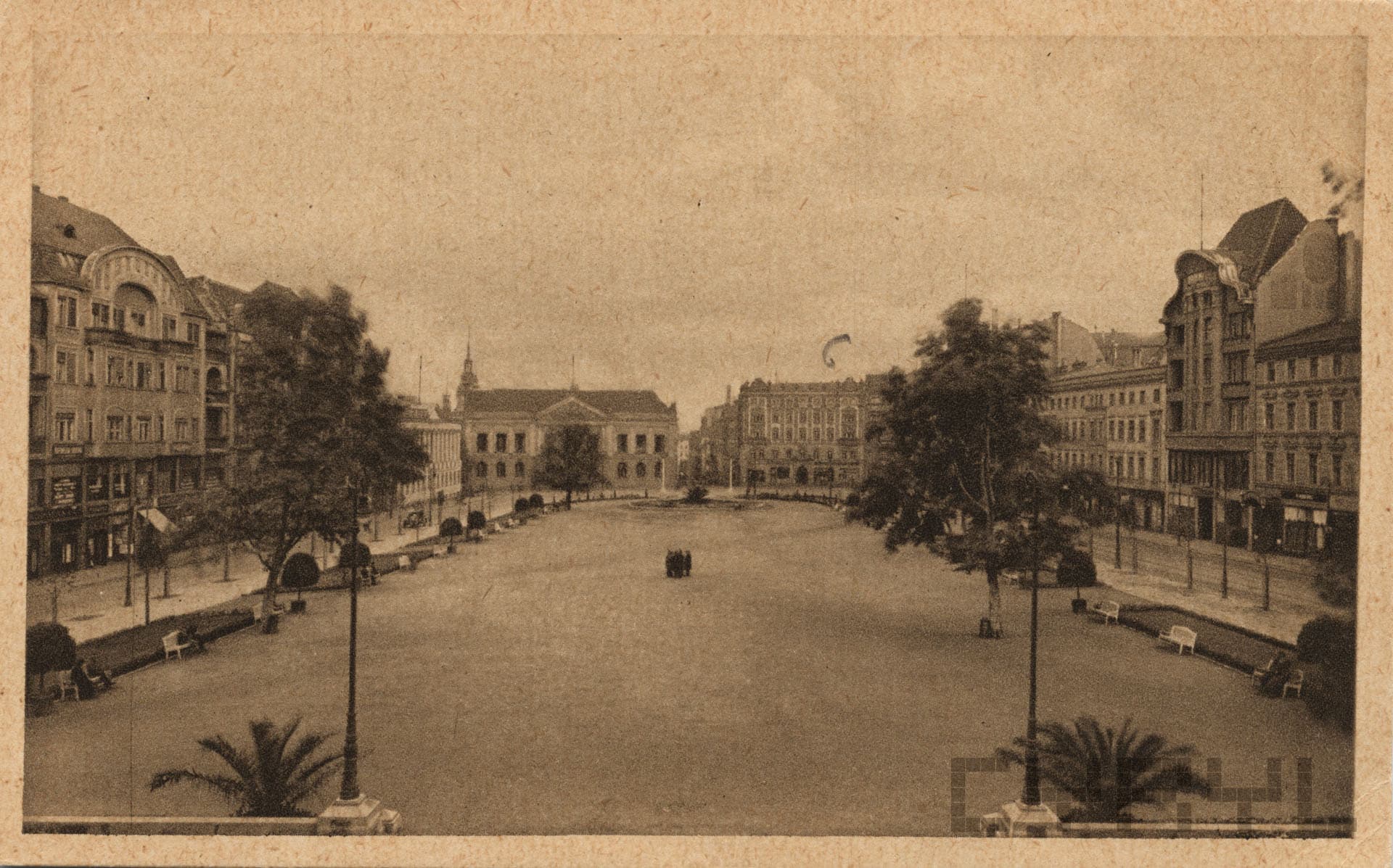
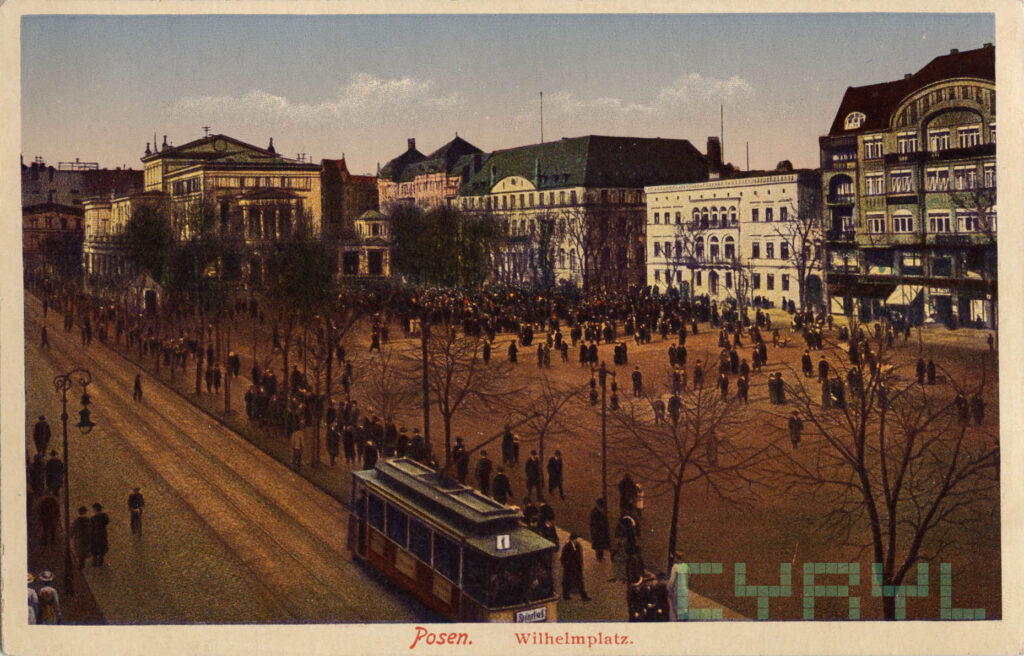
The history of Plac Wolności (Freedom Square) dates back to the late 18th century, following the Second Partition of Poland when the region of Wielkopolska (Greater Poland) was annexed by Prussia. The square was planned by Prussian authorities as part of a broader urban development initiative led by architect David Gilly. Originally named Wilhelmplatz, it was designed to accommodate military parades, specifically an infantry regiment in full formation. Its generous dimensions (85 by 205 meters) made it ideal for such purposes.
However, over the 19th century, this militaristic space gradually evolved into a civic and cultural heart. Much of this shift is credited to Edward Raczyński, a Polish nobleman whose philanthropic vision for Poznań as the “New Athens” of the region laid the groundwork for profound change. Raczyński funded the construction of the Raczyński Library (Biblioteka Raczyńskich), inspired by classical forms, which opened in 1829 and remains a landmark of Polish enlightenment and resilience under foreign rule. A gallery for his art collection followed, making the square a beacon of cultural life.
The Polish Spirit in Architecture surrounding Plac Wolności
Alongside the Raczyński institutions rose the iconic Bazar Hotel (Hotel Bazar), established in the 1840s by Karol Marcinkowski as a bastion of Polish economic and cultural independence during the partitions. The Bazar became a social hub for Polish elites and hosted Ignacy Jan Paderewski in 1918, whose address from its balcony helped ignite the victorious Greater Poland Uprising.
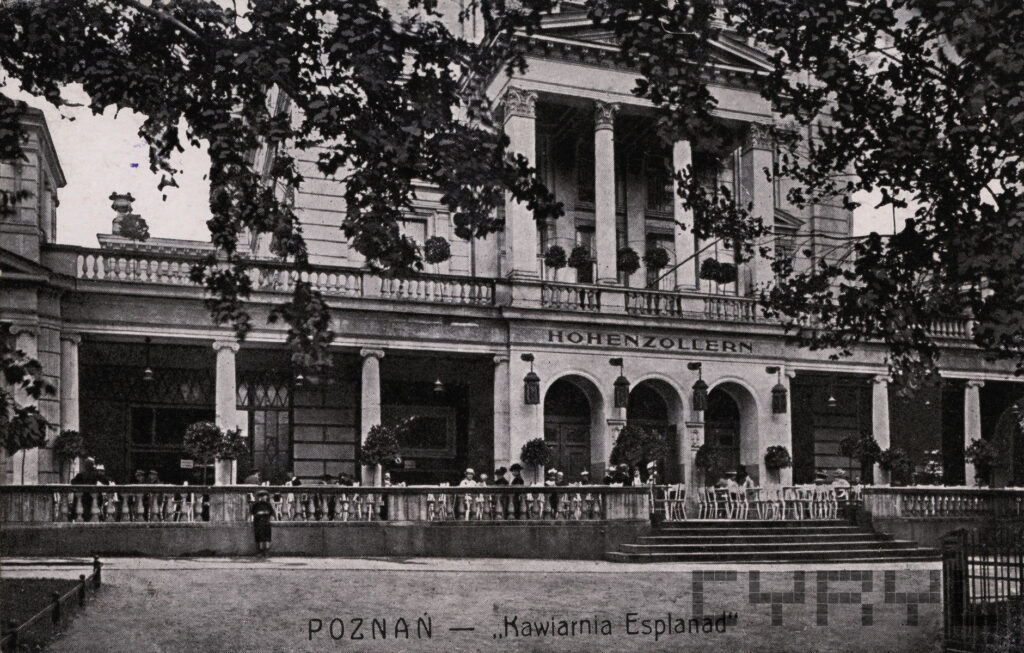
Travel back in time to the 90s and discover Bema market!The Plac Wolności square was further enriched by architectural gems including the National Museum (Muzeum Narodowe), first built as the Kaiser Friedrich Museum by the Germans, and Arkadia, formerly the German Municipal Theatre (Teatr Miejski), which once saw performances by Paganini, Wieniawski, and Modrzejewska. Today, Arkadia hosts cafes, bookshops, and language schools, embodying the square’s new social function.
A Square of Shifting Symbols
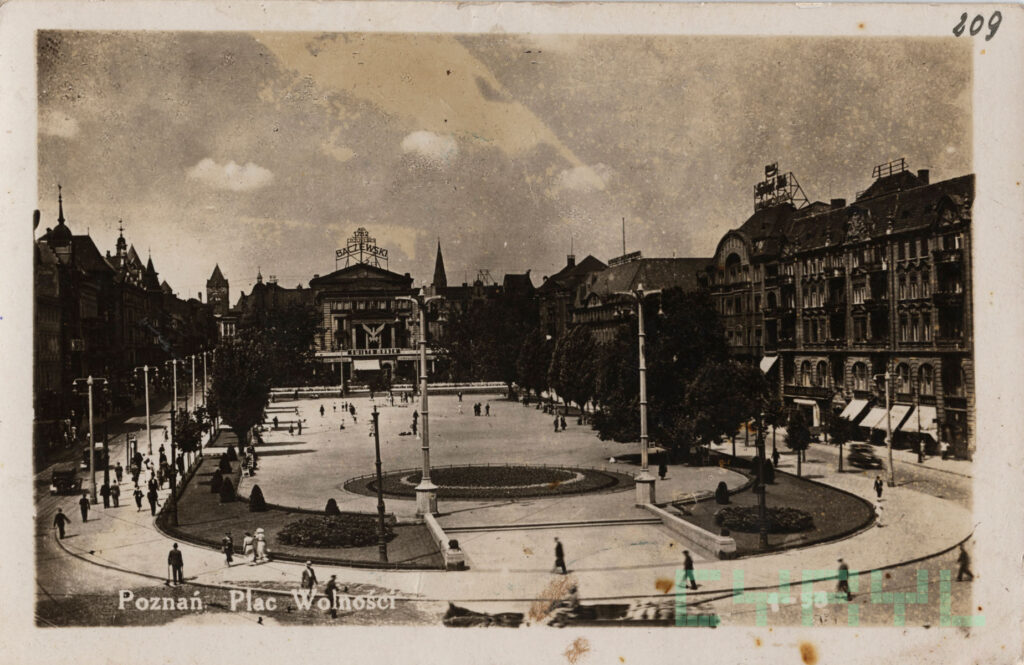
Plac Wolności (Freedom Square) has repeatedly shifted its symbolic and physical form. It hosted the solemn military oath of Polish soldiers in 1919 following the Greater Poland Uprising, an event commemorated by a plaque. Later attempts to monumentalize this symbolism included a competition for a Pomnik Wolności (Monument to Freedom), which, despite attracting dozens of proposals, was never built.
In the interwar years, the square retained its prominence, though plans to develop it further were cut short by World War II. Post-war transformations were inconsistent. A 1960s redesign added a modernist fountain and relocated the statue of Hygieia (Pomnik Higiei), a nod to Edward Raczyński’s contribution of a public water system. Yet, by the late 20th century, Freedom Square had become fragmented, with its historical continuity compromised by underinvestment and poor planning.
Modern Echoes: Fontanna Wolności (Freedom Fountain)
It wasn’t until 2012 that a bold new element entered the Plac Wolności square: the Fontanna Wolności (Freedom Fountain). Designed by Agnieszka Stochaj and Rafał Nowak, this 9-meter-tall, 700-ton structure of curved glass and flowing water brought a touch of the contemporary to the historic square. The fountain consists of two 10-meter-long wings over which water cascades, cooling the space and drawing people into its gentle embrace. At night, the installation is lit by colorful LED lights, transforming it into a luminous oasis.
Did you know that one of Europe’s oldest cinemas is in Poznań? Learn more!Though sometimes controversial for its stark contrast with the surrounding architecture, the fountain has found its place as a meeting point and summer refuge. It serves as a symbol of continuity in the use of public space: from military drills to cultural gatherings, from civic pride to leisurely escape.
A Living Layer of Poznań
Plac Wolności (Freedom Square) may have been born out of imperial planning, but it has grown into a uniquely Poznań space—shaped and reshaped by the dreams and demands of its people. Whether shaded by plane trees, honored by statues, or refreshed by fountains, it remains a barometer of civic life in the city. The Fontanna Wolności (Freedom Fountain) is not an endpoint, but rather the latest voice in a centuries-long conversation about how public space reflects a city’s identity, aspirations, and soul.