A medieval king finds his place in modern Poznań
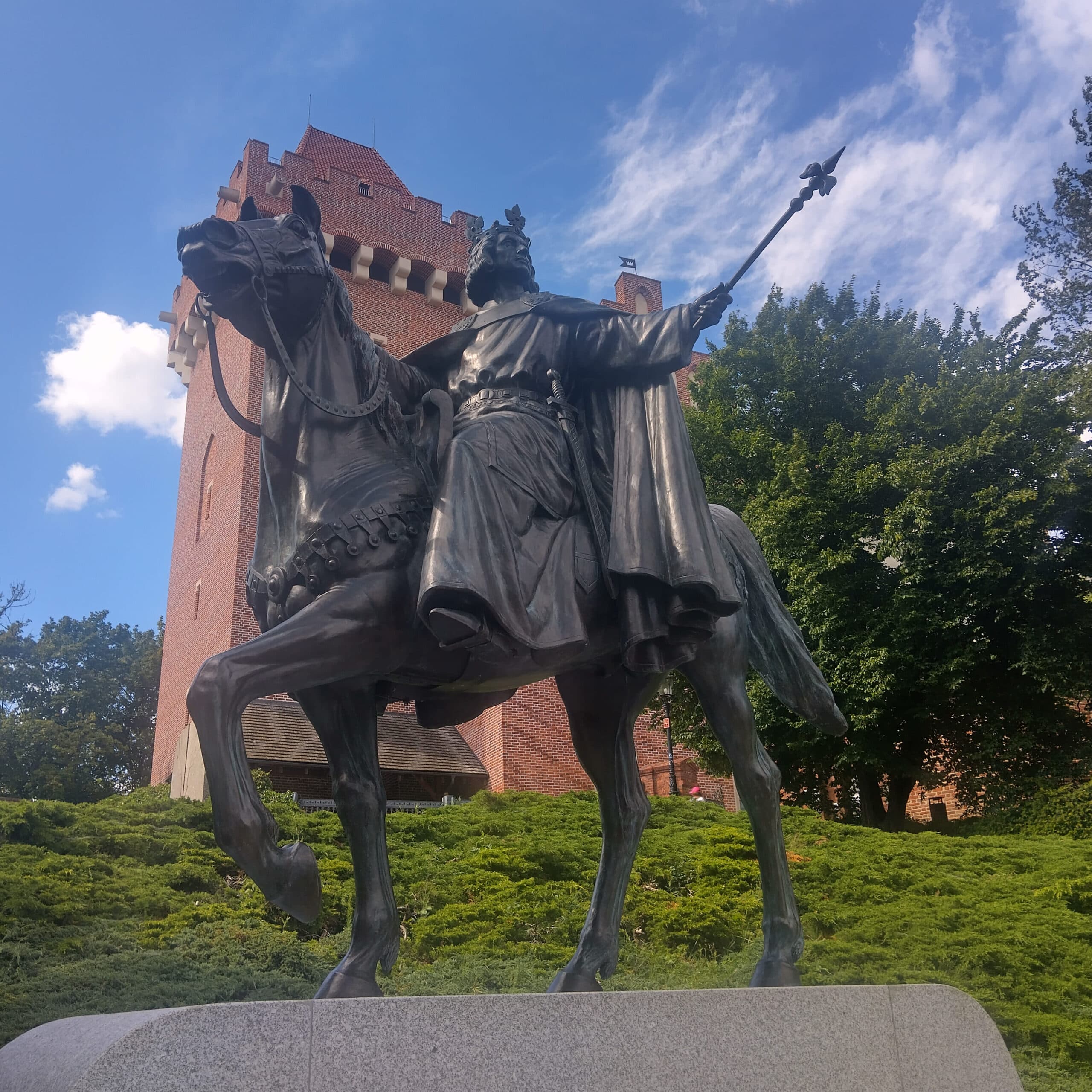
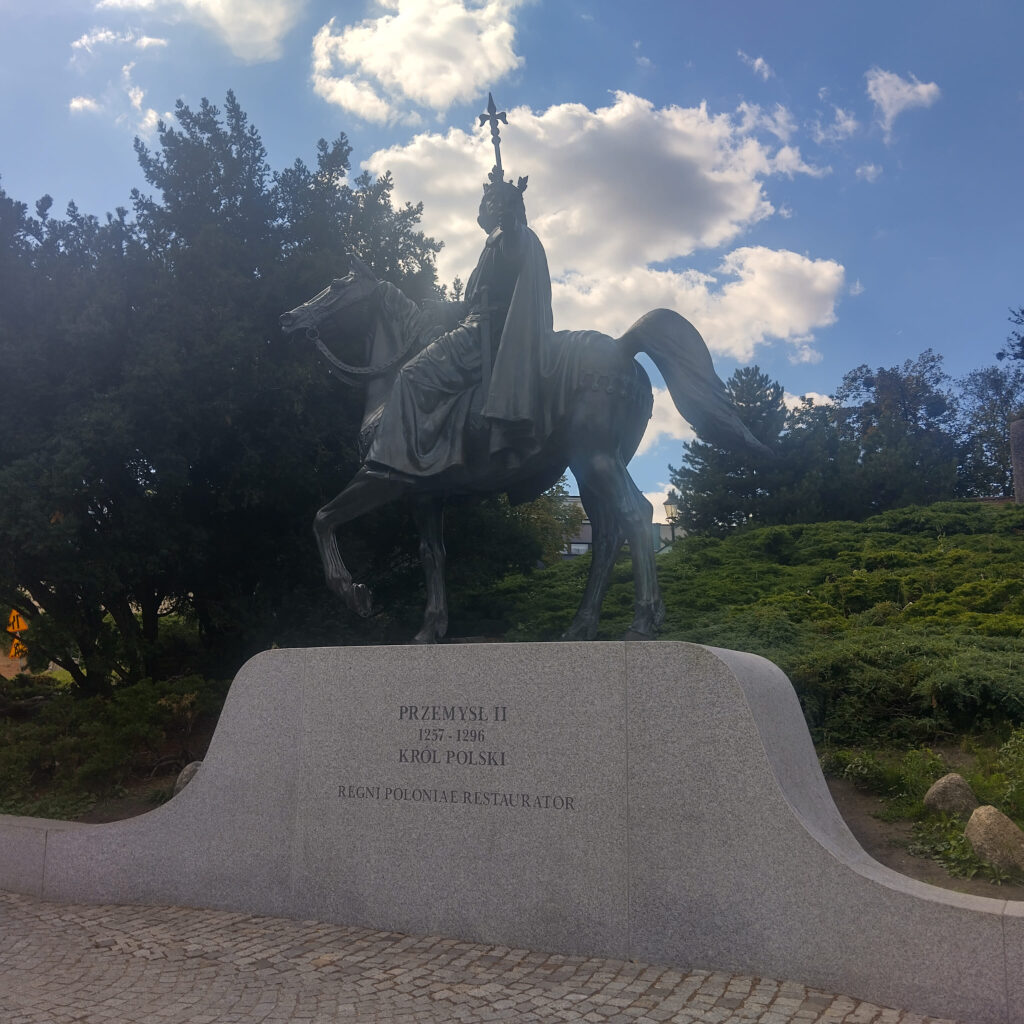
Poznań has gained a new landmark dedicated to one of the most important figures in the city’s history. On 20 May 2026, a monument to King Przemysł II was officially unveiled at the junction of Franciszkańska Street and Góra Przemysła, close to the Royal Castle and one of the most historically significant areas of the city.
The equestrian monument is more than a tribute to a medieval ruler. It is also a reminder of Poznań’s role in the history of Poland and an example of how private commitment can contribute to the city’s cultural landscape.
Who was King Przemysł II?
Przemysł II was one of the most important rulers connected with medieval Greater Poland. Born into the Piast dynasty, he was closely linked with Poznań, which served as one of the key centres of his power.
In 1295, he was crowned King of Poland, becoming the first Polish ruler after the period of fragmentation to restore the royal title. His reign was an important stage in the process of rebuilding a stronger and more unified Polish state.
When discussing Poznań’s historical importance during this period, it is worth remembering that the question of Poland’s earliest capitals is complex and debated by historians. However, there is no doubt that during the reign of Przemysł II, Poznań was one of the country’s most important political centres and a major royal city before Kraków became the dominant seat of the monarchy.
For today’s residents, this history is a reminder that Poznań’s story is not only regional. The city was closely connected with the development of Poland itself.
A private initiative 13 years in the making
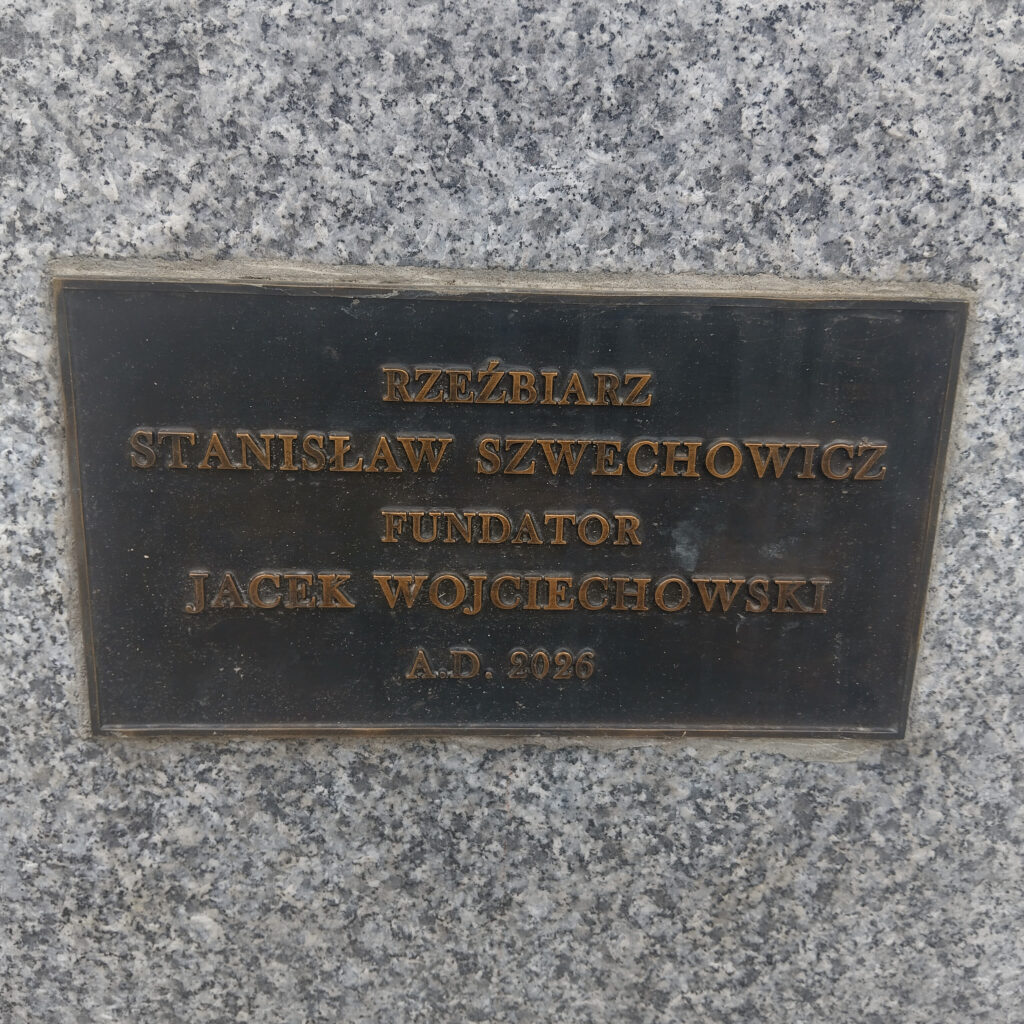
The creation of the monument was made possible by Jacek Wojciechowski, a Poznań entrepreneur, president of Utal and philanthropist.
The entire project, including the costs of construction and prizes awarded in the architectural and sculptural competition, was financed privately by the founder, without using the budget of the City of Poznań.
The journey from the original idea to the completed monument took 13 years. During this time, the project involved planning, consultations, an artistic competition, archaeological work and the final construction of the sculpture.
Such a long process highlights the level of commitment behind the project. It was not simply the creation of a monument, but a long-term effort to add a missing element to the city’s historical landscape.
Why did the founder want to honour Przemysł II?
Jacek Wojciechowski has described himself as a Poznań resident with family roots in the city and said his motivation was to remind both residents and visitors of Poznań’s royal past.
The project was intended to highlight that Poznań was not only an important regional centre, but also a place connected with the history of Polish statehood and monarchy.
The monument also reflects a desire to strengthen awareness of Poznań’s historical significance. For many years, Polish cities such as Kraków and Warsaw have often dominated national historical narratives, while Poznań’s own royal heritage has sometimes received less attention.
The monument offers another way of telling the story of the city: one where Poznań stands not only as the capital of Greater Poland today, but also as a place that played an important role in medieval Poland.
A work by sculptor Stanisław Szwechowicz
The monument was designed by sculptor Stanisław Szwechowicz. The equestrian form follows a long tradition of commemorating rulers and emphasises Przemysł II’s role as a monarch.
Its location near Góra Przemysła is particularly meaningful. The area has been associated with the Royal Castle and the history of Poznań’s rulers for centuries.
Placed within this historic setting, the monument becomes part of a wider story about the city’s past, connecting medieval Poznań with the modern urban landscape.
Why this monument matters to Poznań today
Cities are shaped not only by buildings and streets, but also by the stories they choose to preserve. Monuments can create opportunities for residents and visitors to discover parts of history that might otherwise remain forgotten.
For local people, the monument of Przemysł II is a reminder that Poznań once stood at the centre of major political events in Poland. For international residents and tourists, it offers a new entry point into understanding why the city has such a strong connection with the beginnings of Polish statehood.
The project also shows the role that individuals can play in preserving local heritage. Public memory is created not only by governments and institutions, but also by people who feel a personal connection to the history of their city.
A lasting symbol of Poznań’s royal past
The new monument of King Przemysł II represents two stories at once. The first is the medieval story of a Piast ruler whose reign marked an important moment in Polish history. The second is the modern story of a Poznań resident who spent 13 years bringing an idea to life.
Together, these stories add another chapter to Poznań’s identity: a city proud of its past, but still shaped by the people who live and work here today.