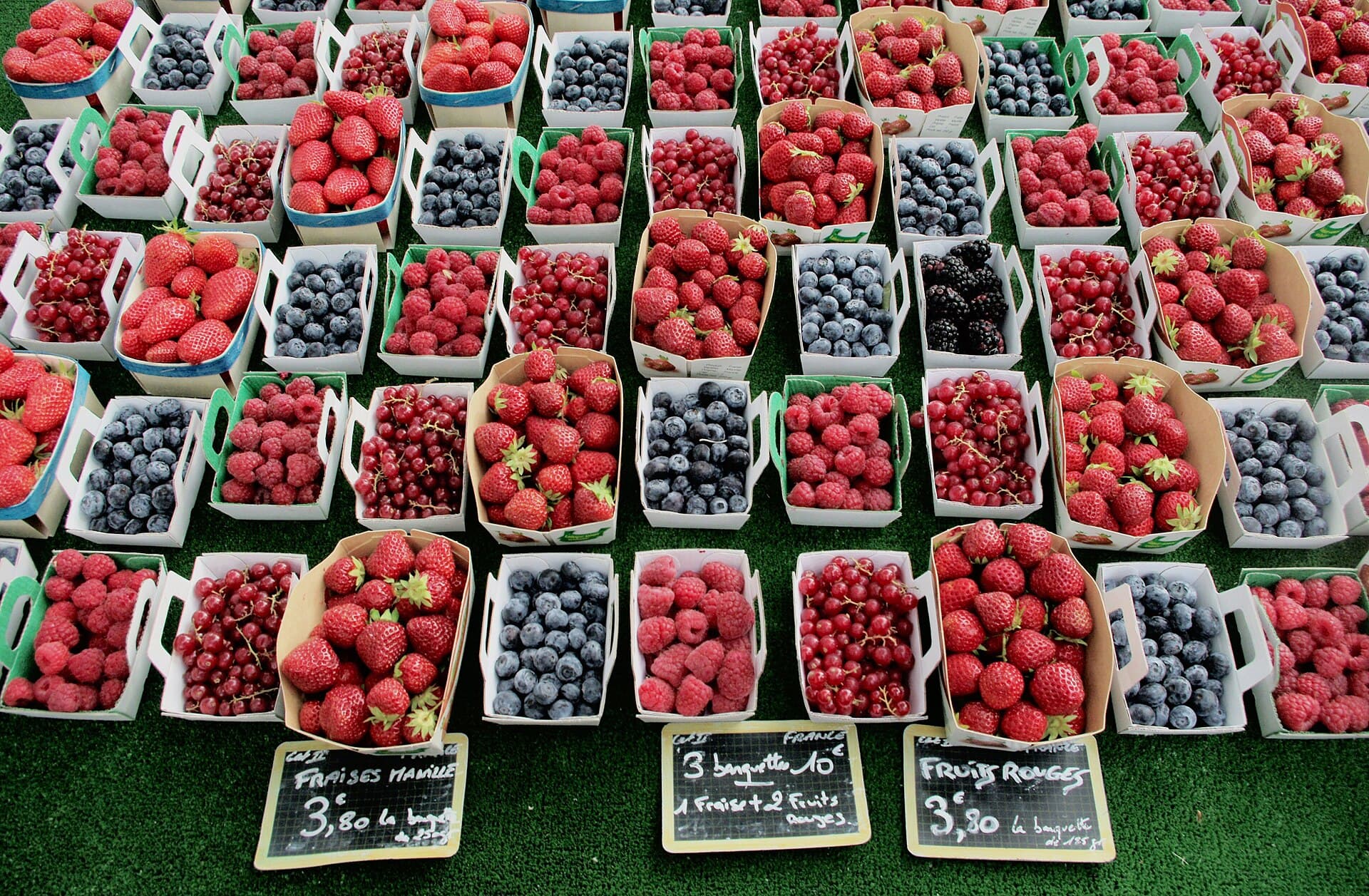
Poland has a special relationship with summer berries. Walk through a Poznań market in June, July or August and the colors are hard to miss: red strawberries, deep purple blackcurrants, ruby raspberries, pale green gooseberries and small dark forest berries that stain your fingers before you have even reached home.
For international residents, open-air markets can feel intimidating at first. The signs are in Polish, prices change quickly and some berries may look unfamiliar. But this is one of the great pleasures of living in Poznań. You do not need perfect Polish to enjoy berry season. You only need a basket, a little curiosity and the courage to point.
Poland is one of Europe’s great soft-fruit countries. It is a major producer of berries, especially raspberries, currants, gooseberries and strawberries, and Poland is described as the EU’s largest producer of raspberries, currants and gooseberries. For me, as a foodie, this is one of the sweetest signs that summer has arrived.
Where to shop for berries in Poznań
Poznań’s markets are part of the city’s daily rhythm. The city lists several market locations, including Plac Wielkopolski , Plac Bernardyński , Rynek Jeżycki , Rynek Łazarski , Rynek Wildecki , and seasonal market locations. For organic and direct-from-producer shopping, Zielony Targ in Winogrady is another useful option. The official Poznań tourism site describes it as the city’s largest organic market, operating on Saturdays from 7:00 to 13:00 at ul. Przełajowa 5 , with fresh fruit, vegetables, bread, honey, cheeses and other local products.
Health Benefits of Berries
Berries are not magic medicine, and no single fruit can fix a poor diet. But they are a naturally sweet and nutritious choice.
Harvard’s Nutrition Source notes that berries are among the top sources of vitamins, minerals, and disease-fighting nutrients. Harvard Health also highlights berries for their fiber, vitamin C, and plant compounds such as anthocyanins and ellagic acid, which are associated with antioxidant and anti-inflammatory activity. The best approach is variety. Buy different berries throughout the season, eat them fresh, and enjoy them as part of a balanced diet.
Strawberries, Polish strawberries
Strawberries are sweet, fragrant, and juicy, making them one of the first signs of summer in Poland. Look for berries with a bright red color, fresh green tops, and a strong strawberry aroma, as these are usually the most flavorful. They are best enjoyed fresh, with yogurt, in pancakes, with cream, or simply straight from the punnet. Polish strawberries are softer, more aromatic, and far more delicate than many out-of-season supermarket varieties. Nutritionally, they are a good source of vitamin C and also contain polyphenols such as flavonoids. Izabela’s tip: choose smaller, locally grown strawberries when they have a sweet fragrance—perfect-looking berries are not always the tastiest.
Raspberries
Raspberries are soft, floral, sweet, and slightly tart, making them one of Poland’s signature summer fruits. Look for dry, plump berries that are not crushed, as their delicate texture means they bruise easily. They are delicious with porridge, kefir, ice cream, meringue, or gently folded into cakes. Poland is one of Europe’s leading raspberry producers, supplying a significant share of the EU market. Because raspberries are so fragile, they are best eaten on the day you buy them or frozen for use in winter smoothies and compotes. Izabela’s tip: choose raspberries sold in shallow trays whenever possible, as deep containers can crush the fruit at the bottom.
Blueberries
Blueberries have a mild, sweet, and clean flavor that makes them a favorite for both children and adults. Look for firm berries with a natural pale bloom on the skin, as this protective coating is a sign of freshness. They are perfect with breakfast, in muffins, with pancakes, or frozen for a refreshing snack. Widely available in Polish shops and markets, blueberries are prized for their convenience and naturally sweet taste. They are also rich in anthocyanins, the plant compounds responsible for their deep blue color. Izabela’s tip: wait to wash blueberries until just before eating, as they stay fresher for longer when kept dry.
Jagoda – Polish wild berries
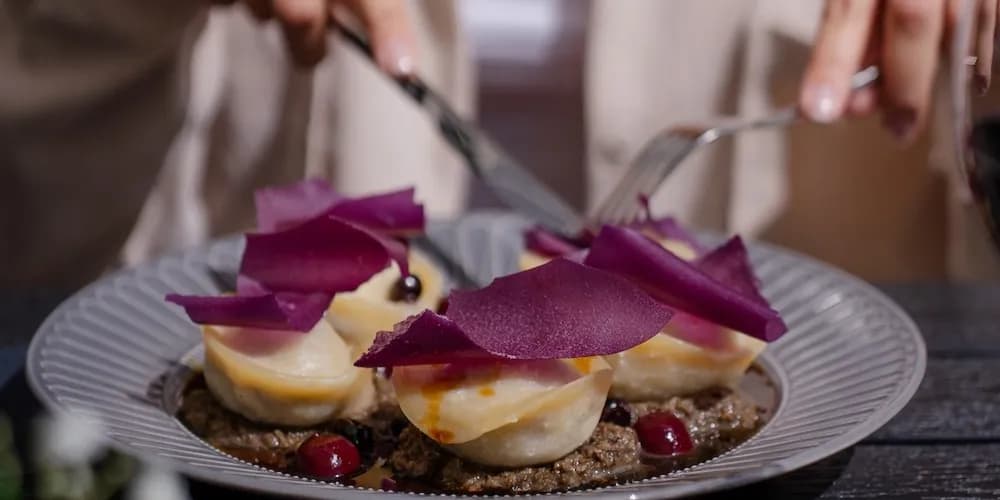
Wild blueberries have an intense, earthy, sweet, and slightly wild flavor that sets them apart from cultivated blueberries. Look for small, dark berries, often sold in cups or jars at local markets. They are delicious in pierogi, sweet buns, pancakes, sauces, yogurt, or simply sprinkled with a little sugar. These berries are much smaller, darker, and more intensely flavored than the larger cultivated blueberries familiar to many people, and they are also known for staining hands, lips, and clothing with their deep purple juice. In Polish summer cooking, wild blueberries are a seasonal favorite, appearing in traditional dumplings, baked treats, and simple bowls served with cream. Izabela’s tip: bring cash and a small container when buying from a market stall, as these delicate berries are best handled with care.
Blackcurrants
Blackcurrants have a sharp, aromatic, and intensely fruity flavor that makes them stand out among summer berries. Look for deep black-purple berries growing on small stems, choosing fruit that appears plump and glossy. While they are often too tart to eat by the handful, they are excellent in juices, jams, syrups, compotes, sorbets, or combined with sweeter fruits such as strawberries or apples. In Polish kitchens, blackcurrants are especially valued for homemade preserves and warming winter drinks. They are also one of the richest natural sources of vitamin C among commonly eaten berries. Izabela’s tip: if fresh blackcurrants taste too sharp, gently cook them with strawberries or apples to create a sweeter, more balanced flavor.
Redcurrants
Redcurrants have a bright, sour, and refreshing flavor that adds a burst of freshness to summer desserts. Look for shiny red berries growing in small clusters, choosing fruit that appears firm and vibrant. Their tart taste makes them ideal for topping cakes, serving with custard, adding to jelly, or mixing into other sweet treats, where they balance richness with their natural acidity. As well as being visually striking, redcurrants are a good seasonal source of vitamin C. Izabela’s tip: sprinkle a handful over vanilla pudding, cheesecake, or ice cream to perfectly complement their sweetness.
Gooseberries
Gooseberries have a tart flavor when unripe that becomes noticeably sweeter as they mature. Look for firm berries, which may be green, yellow, red, or pink depending on the variety. Although they can be quite sharp when eaten fresh, they are delicious in compotes, jams, crumbles, chutneys, or simply cooked with a little sugar, developing a fragrant and comforting flavor. Gooseberries have long been a traditional fruit in Poland and remain an important part of the country’s berry harvest. They are also a good seasonal source of vitamin C. Izabela’s tip: if your gooseberries are especially tart, transform them into a homemade compote instead of eating them raw.
Blackberries
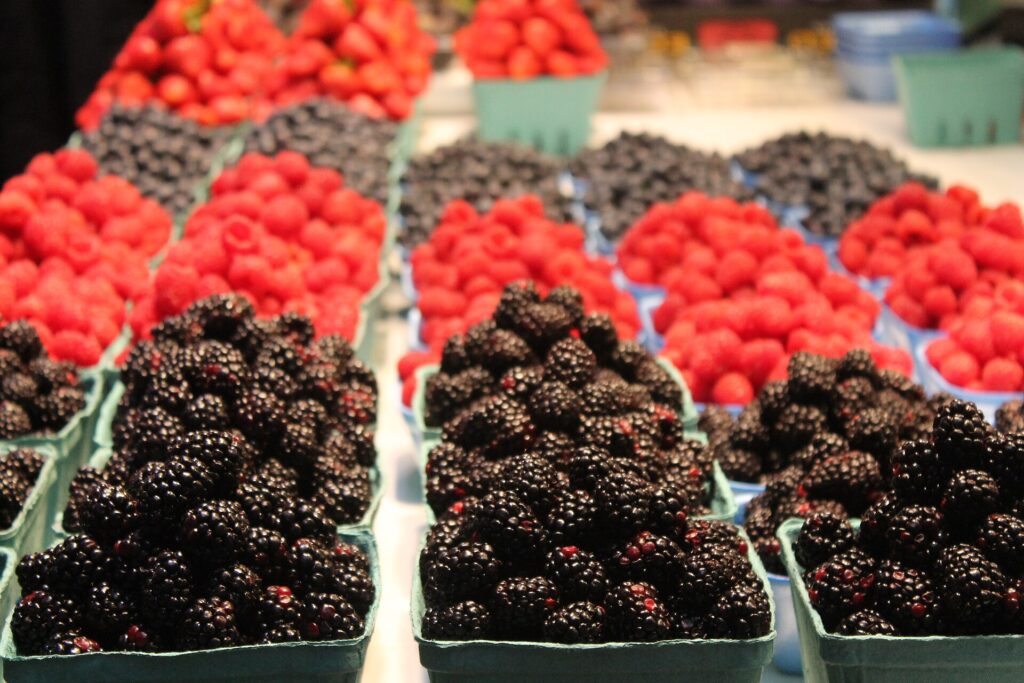
Blackberries are juicy, dark, sweet, and slightly wine-like, offering a richer flavor than many early summer berries. Look for glossy black berries that are soft but not leaking, as they are at their best when fully ripe yet still intact. Arriving later in the season, blackberries are delicious with yogurt, in crumbles, served with cream, or made into a simple sauce for pancakes. They also pair beautifully with apples in baked desserts. Like many dark-colored berries, blackberries are rich in natural plant compounds associated with antioxidant activity. Izabela’s tip: combine ripe blackberries with a little honey and lemon juice to make a quick, flavorful sauce.
Aronia
Aronia or chokeberries have a dry, tart, and astringent flavor that makes them quite different from sweeter summer berries. Look for dark, almost black berries, which are most often sold for making juice, syrup, jam, or other preserves rather than for eating fresh. Although their intense taste can be mouth-drying when raw, aronia has long been valued in Polish kitchens, particularly for homemade preserves and health-focused recipes. It is also an important berry crop in Poland, alongside strawberries, raspberries, currants, gooseberries, blueberries, and cranberries. Izabela’s tip: don’t judge aronia by its raw flavor—try it as a juice or blended into jam with apples or blackcurrants for a more balanced taste.
Wild strawberries
Wild strawberries are tiny, intensely sweet, and wonderfully fragrant, capturing the essence of summer in every bite. Look for very small red berries, usually sold in limited quantities at local markets. Their delicate flavor is best enjoyed fresh, with cream, on cakes, or as a special topping rather than baked into desserts. Because they are labor-intensive to pick, wild strawberries are less common and often more expensive than cultivated varieties, making them a true seasonal treat. Izabela’s tip: if you find fragrant wild strawberries at a market, buy a small portion and enjoy them fresh—they are one of summer’s greatest luxuries.
Credit: DanDavidCook Licensed under: CC BY-SA 4.0
For locals, berry season is part of the calendar. For expats, it is a way to understand Polish food culture through something simple and joyful. You see it at Rynek Jeżycki, Plac Wielkopolski, Rynek Łazarski and neighborhood greengrocers. People compare prices, ask about sweetness, buy jars for preserves and carry home paper bags full of color. It is not only shopping. It is a small seasonal ritual. And in a city like Poznań, where international residents are still learning local habits, berry season is one of the easiest traditions to join.
Do not be afraid of Polish berries. Ask questions. Try something unfamiliar. Buy the sharp blackcurrants, the soft raspberries, the tiny strawberries and the green gooseberries. Take them home, wash them gently and let the season decide your dessert. Poland’s berry season is short, colorful and generous. In Poznań, it is one of the sweetest ways to taste summer.