Discover the ultimate guide to traditional vegetarian food in Poznań. From the iconic pyry z gzikiem to potato dumplings, regional sweets and vegan-friendly Wielkopolska classics, explore the city’s rich plant-based culinary heritage.
When people think of traditional Polish cuisine, hearty meat dishes often come to mind. In Poznań and the wider Wielkopolska region, roast duck, sausages and pork certainly have their place on festive tables. Yet this only tells part of the story.
Long before plant-based eating became more widely adopted, the people of Wielkopolska were creating satisfying meals centred on potatoes, vegetables, dairy, mushrooms and seasonal produce. For generations, economic necessity, agricultural traditions and the Catholic calendar shaped a cuisine where meat was often reserved for Sundays and special occasions, while everyday meals were naturally vegetarian.
Today, many of these historic recipes remain favourites in homes and restaurants across Poznań. Some are already vegetarian, while others can easily be adapted for vegan diets without losing their authentic character.
A Region Built on Simple Ingredients
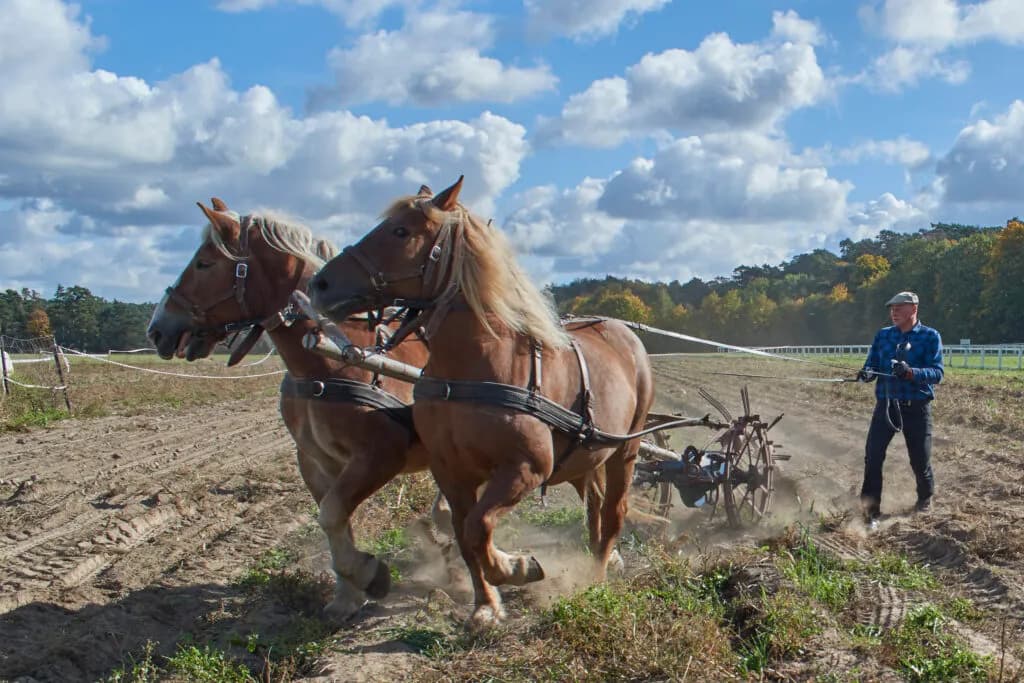
Wielkopolska has long been known as one of Poland’s most productive agricultural regions. Fertile farmland provided abundant potatoes, cabbage, onions, grains and fruit, while nearby forests supplied wild mushrooms that became a defining feature of local cooking.
Rather than relying on expensive ingredients, traditional recipes celebrated simple, seasonal produce. This practical approach resulted in dishes that are hearty, affordable and full of flavour, making them surprisingly well-suited to modern vegetarian and vegan lifestyles.
It is no coincidence that the local dialect even has its own affectionate word for potatoes: pyry.
Pyry z Gzikiem: Poznań’s Most Iconic Vegetarian Dish
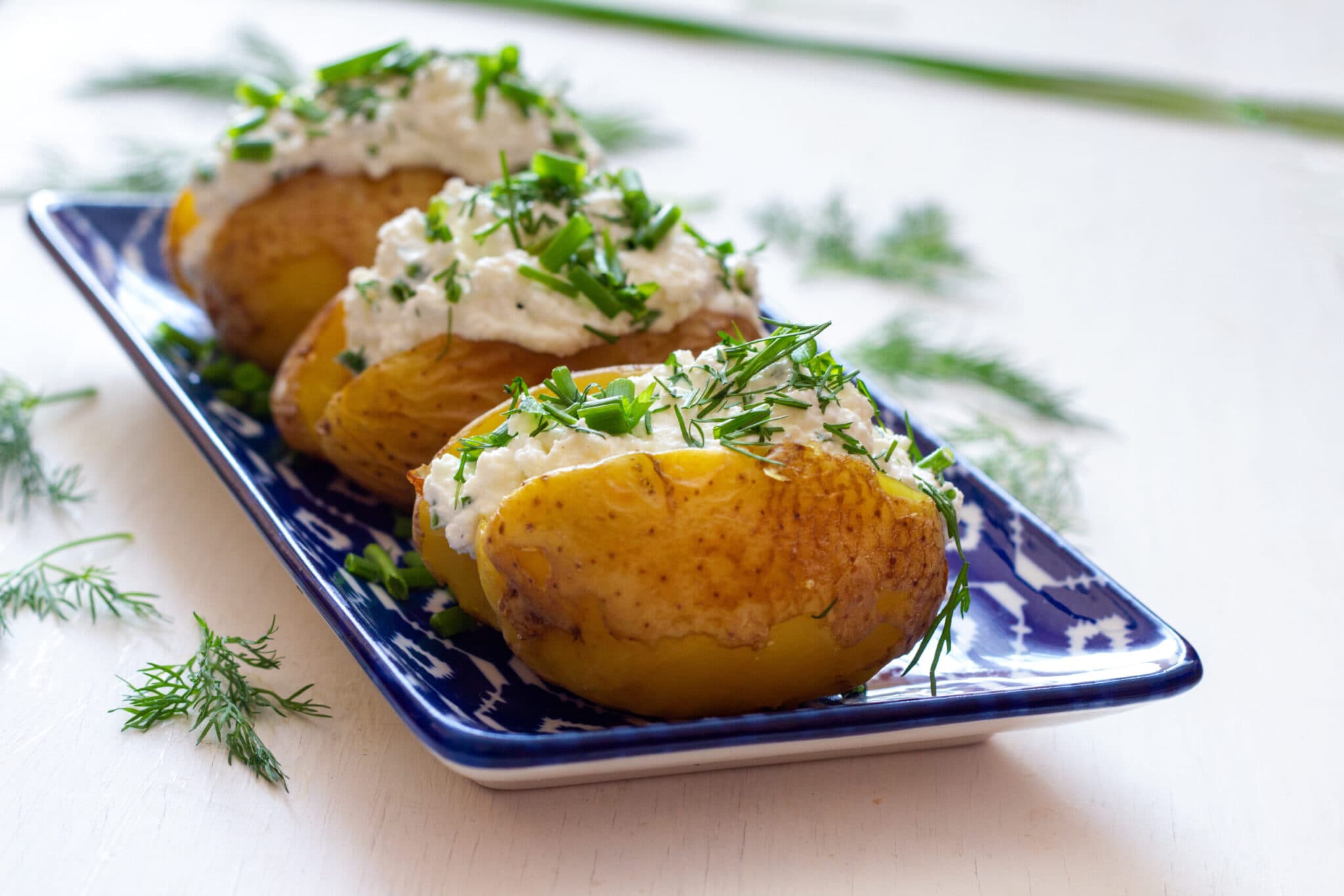
No regional speciality represents Poznań better than pyry z gzikiem.
The dish combines boiled or baked potatoes in their skins with gzik, a creamy mixture of cottage cheese, sour cream, chopped onion or chives, seasoned simply with salt and pepper.
Originally considered a humble meal for farming families, pyry z gzikiem became particularly popular on Fridays, when many households traditionally avoided meat. Its simplicity remains part of its appeal today.
While the classic version uses dairy, plant-based alternatives now allow vegan diners to enjoy the same comforting flavours using vegan cottage cheese and dairy-free sour cream.
Gzik Deserves the Spotlight
Although best known as the topping for potatoes, gzik is a speciality in its own right.
Across Wielkopolska, families prepare their own versions using fresh herbs, radishes, spring onions or dill. Some recipes use buttermilk, yoghurt or kefir to create a lighter consistency, while others prefer a thicker, richer texture. Every Poznanian mother has her own unique gzik recipe.
Served with fresh bread, baked potatoes or seasonal vegetables, it remains one of the region’s simplest and most recognisable foods.
The Many Faces of the Humble Potato
Potatoes have shaped the culinary identity of Poznań for centuries, and the region has transformed this everyday ingredient into an impressive variety of dishes.
Plyndze, the local version of potato pancakes, are made from grated potatoes, onion, flour and egg before being fried until crisp. Traditionally, they were served with sour cream, mushroom sauce or even sugar, demonstrating that meat was never considered essential.
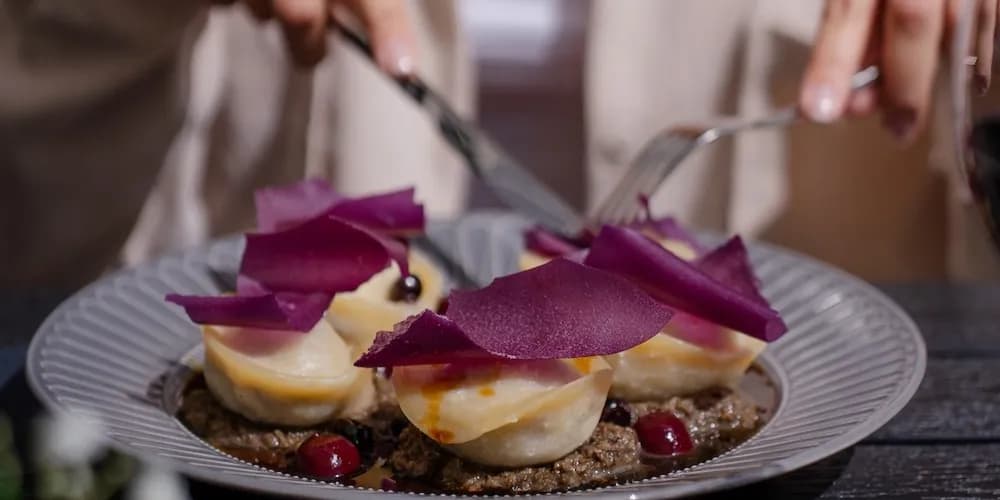
Another regional favourite is szagówki, distinctive potato dumplings cut diagonally, giving them their characteristic shape. Their name also comes from the phrase “na szagę”, which in the local dialect means “diagonally”. They are often served with butter, fried breadcrumbs or mushroom sauce, making them an easy choice for vegetarians.
Szare kluski, literally “grey dumplings”, are made from raw grated potatoes, which naturally darken during cooking. Modern restaurant menus frequently accompany them with bacon, but older family recipes often paired them with fried onions, butter or wild mushrooms instead.
Less widely known outside the region are kulanki, small potato dumplings traditionally enjoyed with cream, butter or mushroom-based sauces. Their name comes from the word “kulać”, meaning “to roll”, as they are shaped by rolling small pieces of the dough into balls.
Together, these dishes demonstrate just how inventive Wielkopolska cooks became with one of the region’s most abundant crops.

Forest Flavours
Wild mushrooms have always played an important role in regional cooking.
Autumn mushroom picking remains a popular family tradition across Wielkopolska, with forests providing porcini, chanterelles and many other edible varieties. These ingredients appear in soups, sauces, dumpling fillings and vegetable dishes throughout the year.
One traditional recipe that surprises many visitors is ślepe ryby, or “blind fish”. Despite its unusual name, the soup contains no fish at all. Instead, it combines potatoes, root vegetables and cream into a comforting, rustic dish. The name is thought to refer to the absence of the shimmering fat droplets, sometimes described as “eyes”, that appear in richer broths.
Naturally Vegan Traditions
Not every historic dish from Wielkopolska relies on dairy.
Kapusta z grzybami (Cabbage with mushrooms), made from sauerkraut and wild mushrooms, has long been a Christmas Eve staple. Because Polish Christmas Eve traditions exclude both meat and dairy, the dish is naturally vegan in many households.
Similarly, modra kapusta, a sweet and sour braised red cabbage prepared with apples, vinegar and spices, is often meat-free, although some recipes include bacon. Traditional vegetable-only versions remain common.
These recipes show that plant-based cooking has been part of the region’s culinary heritage for generations.
Sweet Traditions
No article about Poznań cuisine would be complete without mentioning its famous pastries.
The internationally recognised Rogal Świętomarciński (Saint Martin’s Croissant) remains the city’s best-known sweet treat. Filled with white poppy seeds, nuts, almonds, raisins and candied peel, it is produced according to strict traditional methods and enjoys protected geographical status within the European Union.
Another beloved bakery favourite is szneka z glancem, Poznań’s answer to the cinnamon roll. Soft yeast dough topped with a glossy icing has made it a breakfast classic for generations.
While neither pastry is traditionally vegan due to the use of butter and eggs, both remain important parts of the city’s culinary identity.

Try These Traditional Dishes in Poznań
From family-run restaurants serving recipes passed down through generations to modern eateries giving classic Wielkopolska dishes a contemporary twist, there are plenty of places in Poznań to experience the region’s vegetarian and vegan culinary heritage.
Recommended places to try traditional vegetarian Poznań cuisine:
- Pyra Bar Poznań, ul. Strzelecka 13 – The best option for all things potatoes.
- Hyćka, Rynek Śródecki 17 – Wielkopolska regional food made with local ingredients.
- Wiejskie Jadło, Stary Rynek 77 – A traditional tavern-like restaurant with vegetarian options.
- Bistro Pyr! Pyr! Pyr!, ul. Głogowska 158 – A local favourite serving delicious comfort food.
Many restaurants also offer seasonal specials featuring locally foraged mushrooms, traditional potato dishes and modern plant-based interpretations of regional favourites, so it is always worth asking about vegetarian or vegan options when you visit.
A Tradition Worth Celebrating
The growing popularity of vegetarian and vegan eating has encouraged many restaurants across Poznań to revisit traditional recipes with fresh eyes. Fortunately, they have discovered that many local classics already lend themselves naturally to plant-based cooking.
Far from being a modern invention, meat-free meals have been woven into the fabric of Wielkopolska life for centuries. Born from practicality, shaped by the seasons and refined through generations of home cooking, these dishes continue to tell the story of the region’s resourcefulness and hospitality.
For visitors exploring Poznań for the first time, trying pyry z gzikiem, freshly made potato dumplings, or a slice of szneka z glancem offers more than just a good meal. It provides a genuine taste of local history and reminds us that some of the most memorable food is also the simplest.
Click here for more about traditional food in Poznań!