For Jason Madicus, whisky is not simply something poured into a glass at the end of the evening. It is a map, a memory and a conversation. Japanese whisky, American bourbon, Canadian whisky and Scotch all bring something different to the table, reflecting their own traditions, production methods and sense of place. His favourite is Islay Scotch, especially Port Charlotte, the heavily peated single malt produced by Bruichladdich on the island of Islay. For fans of Islay whisky, details matter. The smoke, sea air, peat and cask all become part of the story. The result is not just a drink, but an experience shaped by landscape and craftsmanship. This is exactly why whisky is beginning to occupy a cultural space similar to wine. It is no longer only about strength or status. It is about origin, process, patience, texture, aroma and taste.
Whisky or whiskey?
Both spellings are correct, but they usually reflect different traditions. In general, Scotch, Canadian and Japanese producers use “whisky”, while Irish and American producers use “whiskey”. The difference is historical and cultural rather than a sign that one style is better than another. For whisky enthusiasts, the spelling is part of the story. A label can already tell you where the journey begins: Scotch whisky, bourbon whiskey or Japanese whisky each points towards a different tradition, production style and flavour profile.
Why Whisky Culture Is Becoming Like Wine
Whisky is not replacing wine. The two drinks have different rituals, histories and occasions. However, whisky is increasingly sharing some of wine’s most appreciated qualities: a connection to place, respect for craftsmanship, interest in rare bottles and the pleasure of tasting slowly. For many enthusiasts, choosing whisky has become similar to choosing wine. The question is no longer simply whether a drink is good, but where it comes from, how it was made and what makes it distinctive.
1. Whisky has regions, just like wine
Wine lovers talk about Bordeaux, Burgundy, Rioja and Tuscany. Whisky lovers talk about Islay, Speyside, the Highlands, Kentucky, Japan and Canada. Regional identity plays an important role in whisky culture. Scotch whisky, for example, is strongly connected to its production areas, where differences in climate, ingredients and traditions influence the final character. Islay whisky is perhaps one of the best examples. Known for smoky and peaty flavours, many Islay single malts carry notes of sea air, salt, smoke and earth. They are not always the easiest introduction for beginners, but for those who enjoy bold flavours, they can become unforgettable.
2. Casks have become whisky’s version of terroir
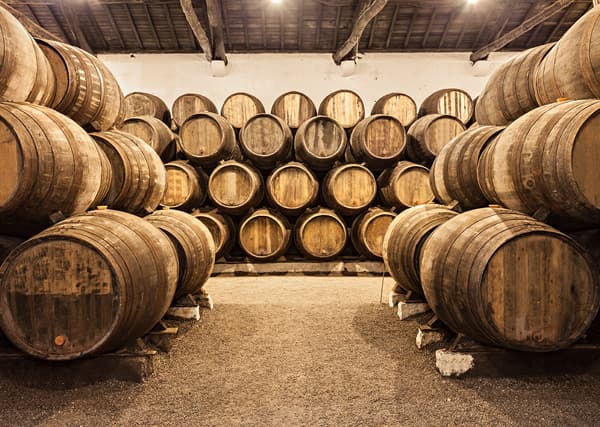
Wine is shaped by grape variety, climate, soil and vineyard. Whisky is shaped by grain, water, yeast, distillation, maturation and cask. The type of barrel used during ageing can dramatically influence the final character. Ex-bourbon barrels, sherry casks, port casks, wine finishes and virgin oak can add different layers of flavour, from vanilla and caramel to dried fruit, spice and chocolate. Modern whisky lovers increasingly pay attention to these details. The conversation has moved beyond brand names and age statements towards balance, texture and the overall tasting experience.
3. Whisky rewards slow tasting
The best whisky does not need to be rushed. It is a drink designed to be explored. A single dram can reveal different aromas and flavours over time: smoke, fruit, vanilla, spice, citrus, salt, leather, chocolate or oak. This layered experience is one reason whisky appeals to many people who previously approached drinks mainly through wine. Like wine, whisky encourages curiosity and comparison. Jason’s preference for Port Charlotte reflects this approach. It is not a neutral whisky. It has a strong identity and asks the drinker to pay attention.
4. Global whisky styles are very different
American bourbon is not Scotch. Japanese whisky is not Canadian whisky. Irish whiskey is not an Islay single malt. Each tradition has its own character. Bourbon, produced in the United States, must contain at least 51% corn in its mash bill and be aged in new charred oak containers. This helps create familiar notes of vanilla, caramel and sweet oak. Canadian whisky has its own long tradition, with production and ageing requirements that create a lighter and often smoother style. Japanese whisky has also gained international recognition, with producers placing strong emphasis on precision, balance and craftsmanship. This variety is one reason whisky makes such an interesting gift. Choosing a bottle means choosing a country, style and flavour profile.
5. A good bottle feels personal
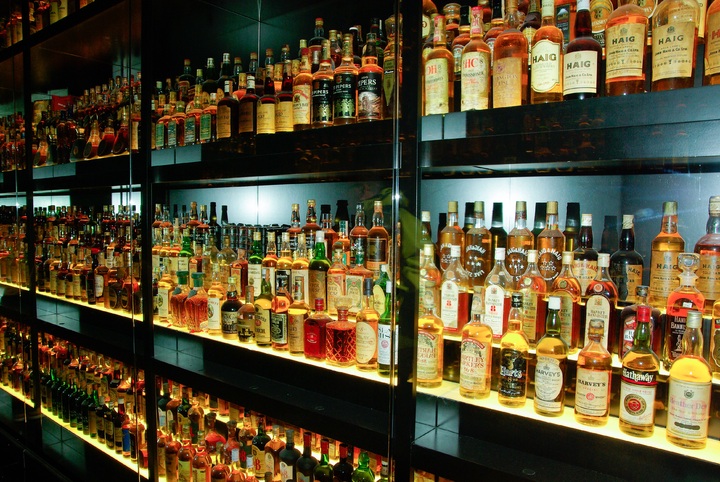
A carefully chosen bottle of whisky can say something about the person receiving it. For someone who enjoys smoky flavours, an Islay whisky may be the right choice. For someone who prefers sweetness, bourbon can offer rich vanilla and caramel notes. For someone interested in elegance and balance, Japanese whisky may appeal. Those looking for a softer introduction might enjoy Irish whiskey or a gentle Speyside single malt. For experienced whisky drinkers, specialist shops can help identify limited releases, independent bottlings, single casks or cask-strength editions. The best whisky gift is rarely the most expensive bottle. It is the one chosen with the person in mind.
CC0.
How to choose a whisky gift
For the beginner
Choose something balanced and approachable. Softer Scotch whiskies, Irish whiskey, Japanese blends and bourbon with vanilla and caramel notes are often good starting points.
For the smoke lover
Look towards Islay and peated Scotch. Port Charlotte, Ardbeg, Laphroaig, Lagavulin, Caol Ila and Bowmore are among the names often associated with smoky whisky styles.
For the wine drinker
Consider whiskies matured or finished in sherry, port, wine or Madeira casks. These can offer dried fruit, spice and sweetness that may appeal to wine enthusiasts.
For the collector
Look for limited releases, independent bottlings, age statements, single casks or cask-strength editions. Always buy from reputable retailers.
For someone who has everything
A whisky tasting experience, specialist consultation, quality glasses or a tasting set can sometimes be more memorable than another bottle.
Whisky is a drink for attention
Whisky’s complexity is best appreciated slowly. It is not a drink for volume. It is a drink for attention. The best whisky culture is closer to food culture than party culture: taste carefully, compare thoughtfully and appreciate the details. Across Poland, interest in specialist food and drink experiences continues to grow.
Whisky fits naturally into this wider movement, alongside craft beer, specialty coffee, natural wine and regional cuisine. For many people, a bottle of whisky represents more than a luxury purchase. It is a connection to another country, a tradition and a story. A Japanese whisky, an American bourbon, a Canadian whisky or an Islay Scotch can begin a conversation about travel, craftsmanship and personal taste. Whisky is becoming more popular not because it replaces other drinks, but because people are learning how to appreciate it. They want to know where it comes from, how it was made, what cask shaped it and why one bottle is worth remembering.
For Jason Madicus, the answer often leads back to Islay and Port Charlotte. For someone else, it may be bourbon, Japanese whisky or a softer Canadian style. The best choice is not always the rarest or most expensive bottle. It is the bottle that fits the person.