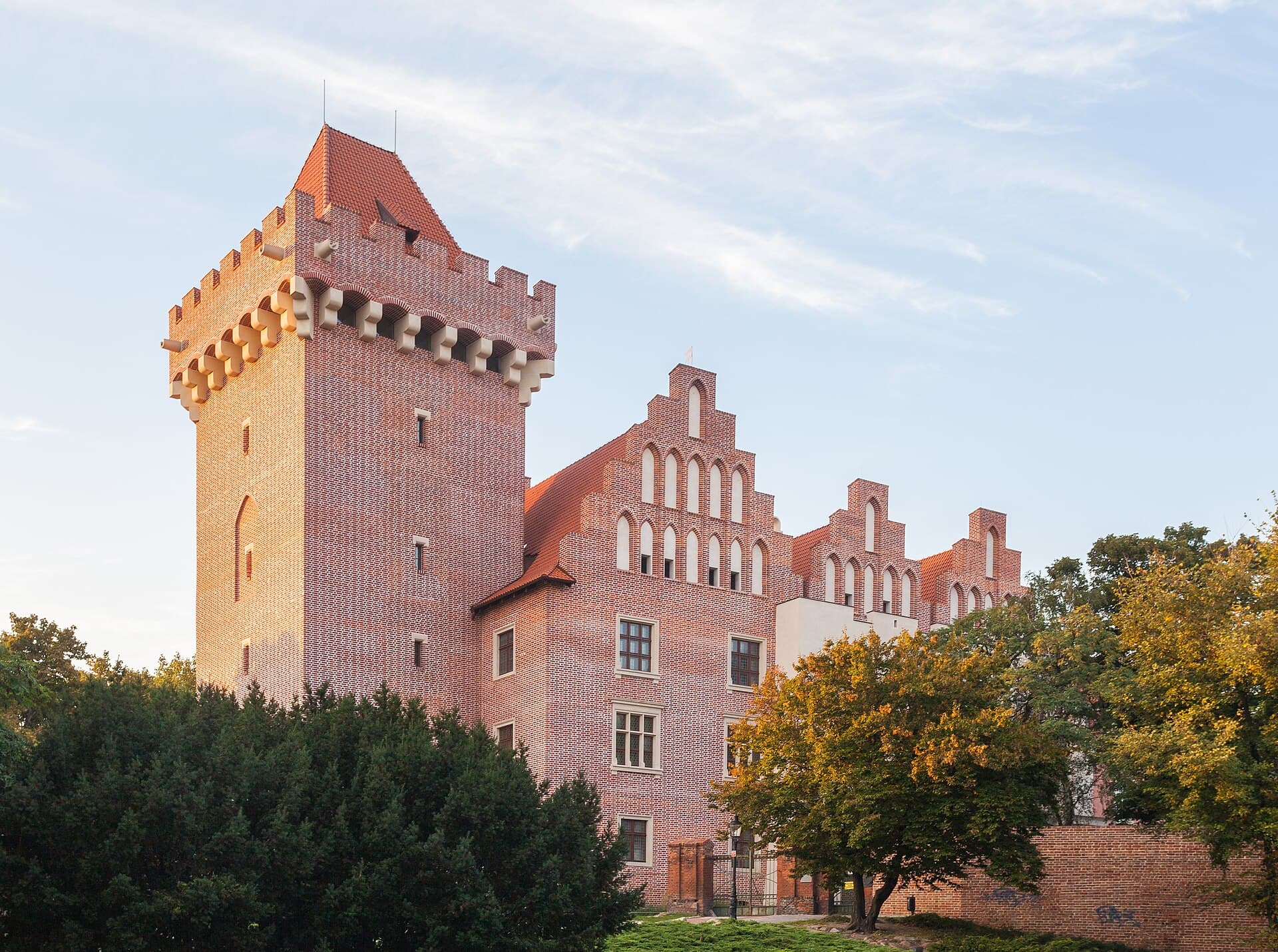
Standing proudly above the colourful rooftops of the Old Town, Zamek Królewski is far more than a striking feature of Poznań’s skyline. It is a place where the city’s medieval roots, royal heritage and modern identity come together. Whether admired from Stary Rynek or explored from within, the castle offers visitors an opportunity to step into one of the most significant chapters in Poland’s history.
While today’s building is the result of a modern reconstruction, its story stretches back more than 750 years. From the ambitions of a medieval ruler to centuries of destruction, rebuilding and debate, the Royal Castle remains one of Poznań’s most fascinating landmarks and an essential stop for anyone wanting to understand the city’s past.
A Castle Built for Kings
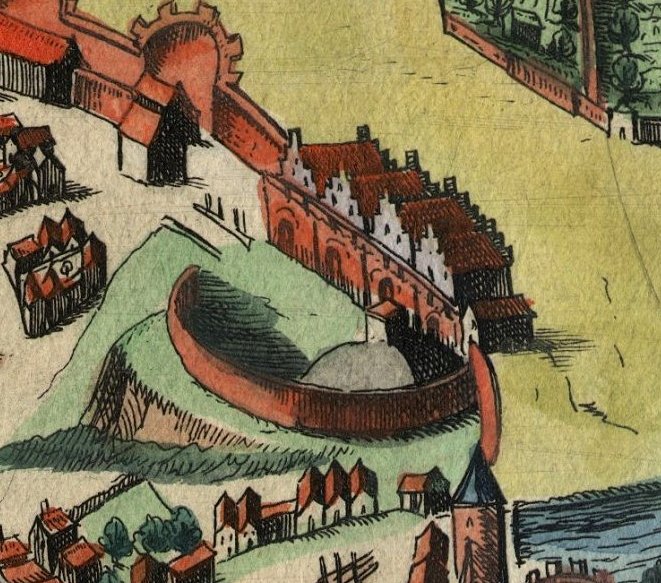
The origins of Zamek Królewski date back to the second half of the 13th century, when the rulers of Greater Poland began establishing a fortified residence on Góra Przemysła. The elevated site overlooked the newly founded town of Poznań, providing both strategic protection and a commanding view across the growing settlement.
Construction is believed to have begun under Duke Przemysł I before being significantly expanded by his son, Przemysł II. It was this ambitious ruler who would leave an enduring mark on Polish history.
In 1295, Przemysł II became King of Poland, the first monarch to unite the Polish crown after almost two centuries of political fragmentation. Although his reign was tragically short, ending with his assassination just a year later, his coronation transformed Poznań into an important royal centre and elevated the castle’s status as a symbol of a reunited kingdom.
Over the following decades, the castle continued to develop, becoming one of the largest secular buildings in medieval Poland and a significant administrative residence for the rulers of Greater Poland.
A Witness to Centuries of Change
Like much of Europe’s medieval architecture, the Royal Castle has endured countless challenges.
A devastating fire in 1536 caused extensive damage, leading to a Renaissance-style rebuilding under the influential Górka family. The centuries that followed brought further hardship. Wars, including the Swedish Deluge and the Great Northern War, left the castle increasingly vulnerable, while shifting political priorities often meant that maintenance took second place.
By the late eighteenth century, much of the once-grand residence had fallen into ruin.
The destruction reached its greatest extent during the Battle of Poznań in 1945, when the remaining historic structures suffered severe damage. For decades afterwards, the future of the castle remained uncertain as architects, historians and conservation experts debated whether reconstruction was appropriate and, if so, what form it should take.
Bringing History Back to Life
The castle visitors see today is the result of one of Poznań’s most discussed heritage projects.
Completed in 2013, the reconstruction aimed to restore a vital element of the city’s historic skyline while creating a contemporary cultural venue. Rather than attempting a replica of the medieval castle, the project combined surviving historical evidence with informed architectural interpretation.
Opinions about this decision are still quite divided.
Supporters believed Poznań deserved to reclaim one of its most recognisable historic landmarks, strengthening the city’s identity and providing a home for an important museum. Critics questioned whether enough archaeological evidence existed to accurately recreate the original appearance of the castle.
More than a decade after its completion, the discussion continues among historians and architects, but the castle has undoubtedly become a familiar and well-loved part of Poznań’s skyline once again.
Home to the Museum of Applied Arts
Today, Zamek Królewski serves a very different purpose from the one imagined by its medieval founders.
The castle is home to the Museum of Applied Arts, a branch of the National Museum in Poznań. Its galleries showcase centuries of craftsmanship through collections of furniture, ceramics, glass, textiles, metalwork and decorative arts.
Rather than focusing solely on historical objects, the museum explores how design has evolved, revealing changing tastes, technologies and everyday life from the Middle Ages through to the modern era.
This creates an engaging contrast. Beyond the castle walls lies the story of medieval kings and political power. Inside, beautifully crafted objects offer a glimpse into the artistic achievements that shaped European culture across hundreds of years.
One of Poznań’s Finest Viewpoints
Even those with little interest in history are likely to appreciate the castle’s observation tower.
From the top, visitors are rewarded with sweeping views across Poznań. The red rooftops of Stary Rynek stretch below, while the towers of the cathedral on Ostrów Tumski, the Imperial Castle and the winding Warta River all become part of an impressive panorama.
The viewpoint offers a fresh perspective on the city’s layout, making it easy to understand how geography influenced Poznań’s development from its earliest days to the thriving regional capital of today.
For photographers, the tower is particularly rewarding during the golden hours of sunrise and sunset, when warm light highlights the colourful architecture of the Old Town.
A Place Where Poznań’s Past Meets the Present
The Royal Castle represents an important connection with the origins of both Poznań and the Polish state. For those visiting, it offers an accessible introduction to the city’s long and often turbulent history.
It is also a reminder that heritage is rarely straightforward. The building standing on Góra Przemysła today is not simply a reconstructed medieval monument, nor is it a completely modern creation. Instead, it reflects the ongoing relationship between history, memory, and contemporary urban life.
As Poznań continues to attract visitors, the castle stands alongside the Town Hall, Ostrów Tumski and the Imperial Castle as one of the city’s defining attractions. Together, these landmarks tell the story of a city that has repeatedly reinvented itself while never losing sight of its remarkable past.
Whether you’re discovering Poznań for the first time or returning to explore its quieter corners, a visit to Zamek Królewski offers much more than impressive views. It provides a window into the ambitions of medieval rulers, the resilience of a city shaped by centuries of conflict and renewal, and the enduring importance of preserving history for future generations.
Another castle in Poznań with a fascinating story. Read about the Imperial Castle here!